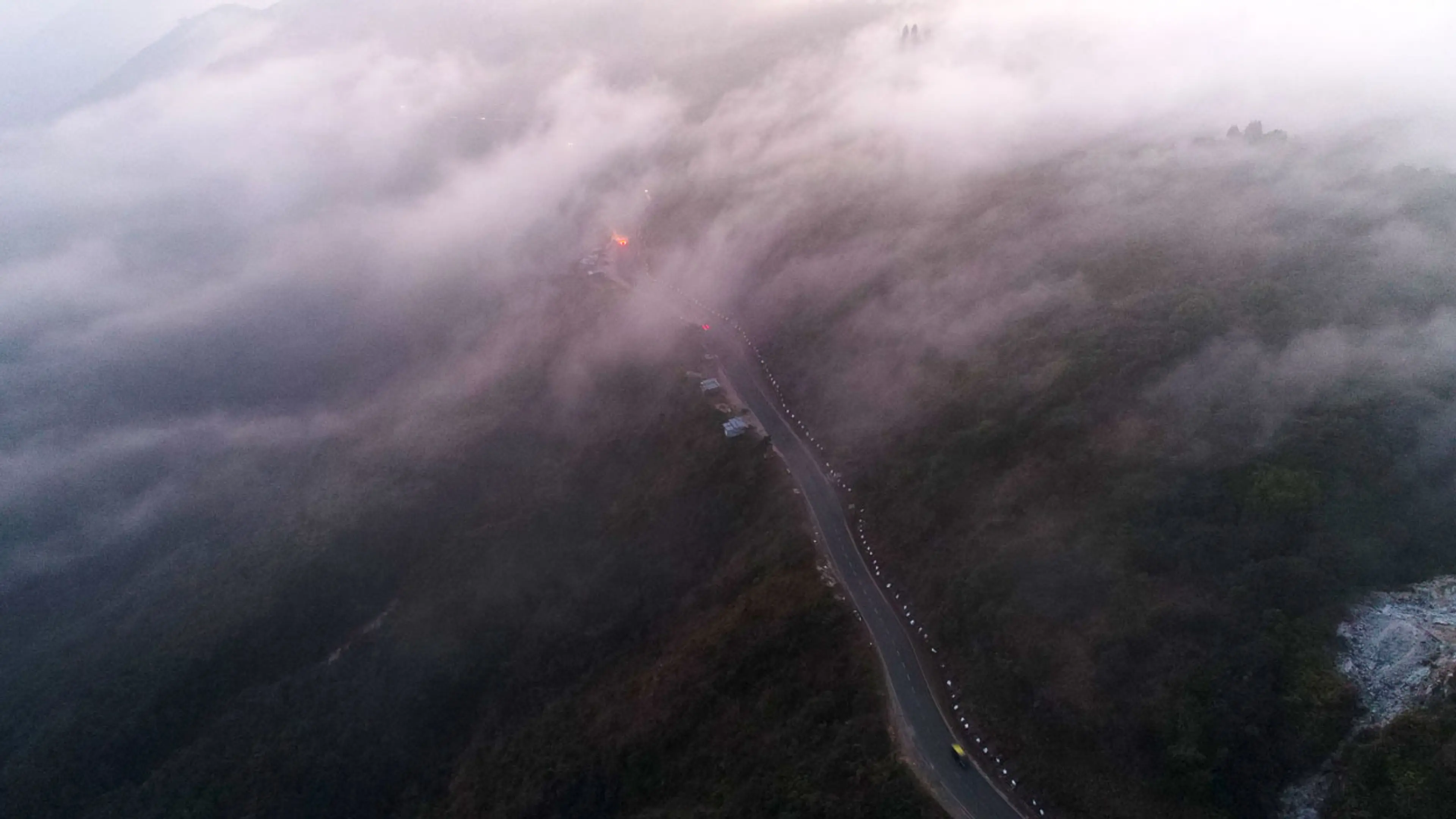
Mawkdok Dympep Valley View sohra meghalaya DJI 0197

Meghalaya

Meghalaya Tourism: Journey Into the Cloud-Kissed Landscapes of the Abode of Clouds

Meghalaya Tourism Unveiled: Explore the Timeless Green Wonders of the Northeast

As you journey through Meghalaya's dramatic terrain, a companion will always be present – Clouds! Not surprising, given that Meghalaya, cherished by travellers who seek the essence of meghalaya tourism, receives an average rainfall of 1200mm every year, making it the wettest place on earth. Situated in the north-eastern corner of India, the state is bordered by the plains of Bangladesh at its southern and western ends and is capped by the floodplains of Assam to its north. Rising from the plateaus and hills, Meghalaya is still largely unexplored, with hidden pockets of lush wilderness thriving among modern cities and beautiful villages, trails, and hiking routes—landscapes that have come to define the spirit of an unforgettable meghalaya tourism spot.

The 'Abode of Clouds' is a nature lover's dream, famed for its landscapes painted in incredible shades of green and embossed with the blue and white sprays of waterfalls and crystal-clear streams—elements that form the heart of many curated meghalaya package tour experiences designed to immerse travellers in the state's natural beauty.

In a land as wet as Meghalaya, traditional constructions rot and decay quickly, but living trees only grow stronger. This ancient knowledge created the living-root bridges. Found across the state, they are formed by guiding the roots of Ficus trees to entwine and establish walkways above streams, cared for over decades until they grow strong enough for entire families to cross—one of the most admired expressions of meghalaya tourism, cherished by travellers, and a highlight for visitors seeking meaningful encounters with nature.

In the western Garo hills, ancient forests humming with life were shaped by these waters. Meghalaya boasts some of the most pristine forests in the country, covering over 43% of the state. These wildernesses are home to more than 600 bird and mammal species, such as the Hoolock Gibbon and the Clouded Leopard – treasures celebrated among the most captivating meghalaya tourist places for nature lovers that continue to draw explorers year after year.

The high plateaus around the capital city, Shillong, are dotted with meadows and pines, and rainfall creates the roaring waterfalls of Cherrapunjee while carving dramatic limestone cave systems through the Jaintia and Garo hills. This atmospheric highland region sits at the heart of meghalaya tourism shillong, where culture and quiet adventure meet, offering a blend of tranquillity, culture, and adventure that enriches any journey through the Northeast.

Meghalaya is home to several tribes—Garo, Khasi, and Jaintias (Pnar)—as diverse as the landscapes they inhabit. Throughout the year, festivals unfold in vibrant colour, inviting visitors to witness traditional attire, ceremonies, and customs that form an integral part of meghalaya tourism and deepen the connection between travellers and the land.

However, if you're hankering for a spell of the modern world, Shillong is truly a cosmopolitan hub and a microcosm of the vibrant diversity of India's North East. In the academic capital of the state, students rub shoulders with cultural leaders here, and music becomes the lifeblood of Shillong's young population—yet another layer of experience within the evolving tapestry of meghalaya tourist places.

Whatever your style and reasons for travel, this wild, beautiful, and welcoming land will always find a place for you—a place that continues to shine at the heart of the most loved meghalaya tourism spots visited by travellers from across the world.
Travel Destinations in Meghalaya

Festivals

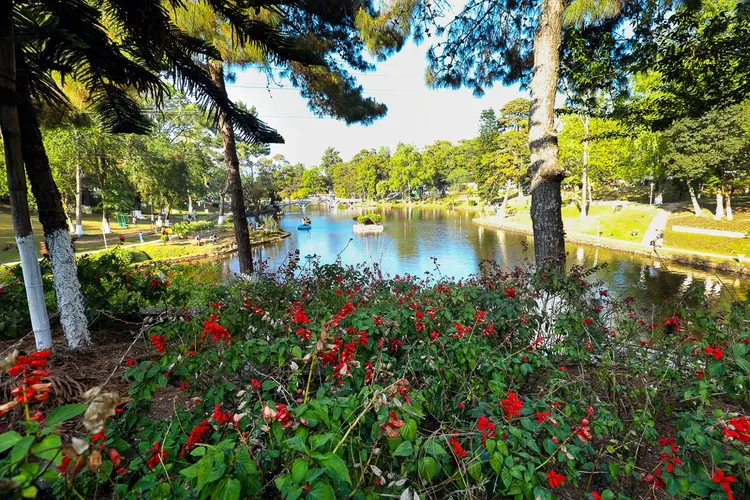
Ward's Lake Shillong meghalaya 1B8A8021

Festival Spirit of Meghalaya: Harvest Dances, Tribal Rituals, and the Colours of Highland Culture

The festivals of Meghalaya are as diverse as their people and landscapes. Largely agrarian, the communities celebrate most of their indigenous festivals in the springtime to honour the harvest. These celebrations involve the entire community, and visitors experience the cultural tapestry that shapes meghalaya festivals, expressed gently through traditional attire, delicious food, and dances that narrate the stories of each tribe and its customs. The Meghalaya tribes are monotheistic, and some like the Garo are considered animistic. The shared belief, integral to meghalaya culture, is that every aspect of nature is sacred, with man seen as an inseparable part of it. These festivals reflect their relationship with nature, portrayed through traditional music and ceremonial displays. The music mirrors their deep connection with the land, echoing birdsong, flowing water, and humming bees – details often highlighted in facts about meghalaya, especially when describing its deep-rooted traditions.

Some of the many festivals in Meghalaya include –

Meghalaya Mawlilong Village IMG 4217

Behdeinkhlam Festival

This is the largest celebration of the Pnar people of the Jaintia Hills. Behdeinkhlam, meaning “beating away evil,” is a harvest festival held in July. The entire community participates, filling the streets and squares with colour and energy during the monsoon rains. Rituals include beating bamboo poles against houses to ward off spirits, erecting towering Khnongs, and immersing a bamboo chariot in a sacred pond. The festival ends with a traditional game played using a wooden ball, known as Dat Lawakor. Though the rituals are performed by men, the festivities are enjoyed by all, offering visitors vivid insights into meghalaya culture and the spiritual traditions that continue to shape daily life.

Iawmusiang Jaintia Hills District meghalaya 1B8A8982 2

Nongkrem Festival

Held in the beautiful village of Smit, 10 kilometres outside Shillong, this festival is the cultural centre of the Khasi community. Celebrated to seek blessings from the goddess Ka Blei Synshar, Nongkrem is a five-day harvest festival marked by devotion and splendour. The highlight is the Shad Nongkrem dance, performed by men and unmarried women in radiant traditional attire. The village fills with stalls offering cuisine, handicrafts, and cultural treasures—immersive experiences that deepen one’s understanding of meghalaya festivals and their ceremonial elegance.

lifestyle meghalaya IMG 3195

Wangala Festival

November in Meghalaya signals the thunderous boom of drums across the Garo Hills. The Wangala Festival is celebrated with great enthusiasm in Tura, where the Garo tribe honours the Sun God Misi Saljong and gives thanks for a successful harvest. First celebrated formally in 1976, it has become a major attraction for visitors wanting to explore facts about meghalaya through its living traditions. Food, wine, and traditional attire fill the grounds, and the parallel rows of dancers—men and women moving in perfect rhythm—form one of the most iconic sights associated with meghalaya festivals, leaving an unforgettable impression on all who witness it.

Through these celebrations—large and small—visitors gain a deeper appreciation of meghalaya culture, where nature, ritual, music, and community remain beautifully intertwined.

Nature Beyond image

Cherry Blossom Festival

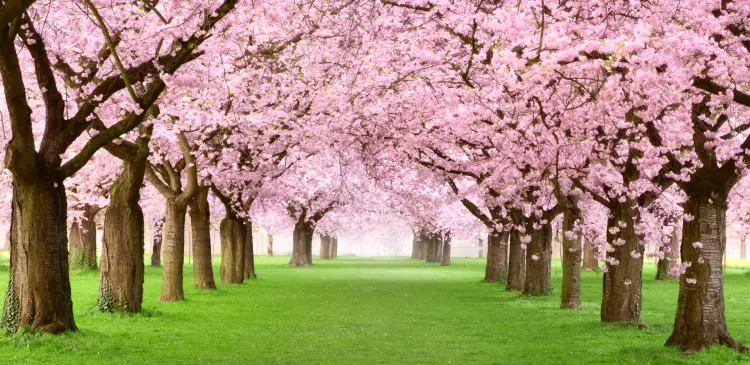
Every November, the Himalayan Cherry tree sheds its leaves and bursts into blossom, painting the Khasi Hills and Shillong in stunning shades of pink. This spectacular flowering event is celebrated each year as the India International Cherry Blossom Festival and holds a treasured place among the most iconic meghalaya festivals. It is often the first answer travellers encounter when exploring what is the main festival of meghalaya, a query the festival often answers through its global visibility and vibrant cultural calendar. Its events—mountain biking, football tournaments, dance and choir performances, and live concerts—contribute to why this occasion frequently appears whenever people search for a distinctive meghalaya festival name that feels true to the region. Food and drink stalls displaying traditional flavours and local wines add warmth to the festive atmosphere, and the city of Shillong becomes a glowing stage celebrating the beauty of the season.


Peoples

Meghalaya Cherrapunjee IMG 3997

The People of Meghalaya: A Living Mosaic of Tribes, Traditions, and Timeless Culture

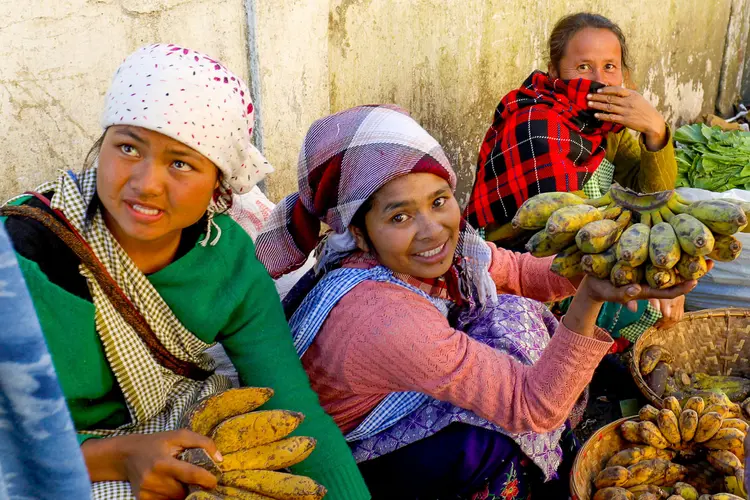
The meghalaya people are as diverse and distinct as the landscape itself. The state is regionally inhabited by many proud tribal communities, each adding depth and warmth to the rich fabric of meghalaya culture. These traditions truly stand out – a deep connection with nature, social practices that are uniquely matrilineal, and customs that have remained vibrant across generations. A visit to the state is incomplete without experiencing this tapestry of identities shaped by the enduring spirit of the meghalaya tribes and the wider meghalaya population.

Some of the notable tribes in meghalaya are:

The Khasi people

The largest community and ethnic group in Meghalaya, the Khasi form a central pillar of the meghalaya population. Their rich mythology traces Khasi origins to one of the sixteen heavenly families who once ascended freely to the sky by a celestial ladder—until the cutting of a sacred tree severed this passage. Nature is viewed as divine by the community, embodied most beautifully in the Living Root Bridges grown and shaped by generations. Their language, belonging to the Austroasiatic family, is unique and deeply rooted in their heritage. Although many have adopted Christianity, the Khasi continue to honour meghalaya culture through traditional dances, stone-studded attire, and festivals celebrated with grace and pride. Matrilineal inheritance remains strong, with women often running businesses. Their cuisine, now appreciated globally, reflects flavours that travel far beyond the hills.

The Garo people

Known as the A’chik-Mande or “Hill People,” the Garo are the second-largest group among the meghalaya tribes and have also migrated to neighbouring states. Their Tibeto-Burmanic language survived orally through centuries, believed to have once existed in written form. Many Garo continue to follow their ancient animist faith, Songsarek, ensuring that traditions remain vibrant and visible in festivals such as Wangala. Music plays an essential role in meghalaya culture, and the powerful Dama drums—capable of shaking the very earth—remain iconic. Food and drink hold cultural significance, and the Garo are known for Minil bichi, a fermented rice beverage cherished across communities.

The Pnar (Jaintia) people

A sub-tribe of the Khasi, the Pnar people of the Jaintia Hills once ruled a proud hill kingdom before British annexation. Also known as the Synteng, they maintained one of the oldest ruling systems in the region. Their belief system, Niamtre, teaches that the Pnar were directly created by their deity, and this identity remains deeply honoured. The Behdeinkhlam Festival is the community’s grandest celebration, best witnessed in the town of Jowai. Skilled craftsmanship defines the Pnar, with artistic carpet weaving, bamboo carving, and woodwork forming an important part of meghalaya culture. Matrilineal traditions continue here too, with the youngest daughter inheriting family property, echoing customs shared among many tribes in meghalaya.

The Hajong people

The fourth-largest tribal community among the meghalaya people, the Hajong are master rice farmers who introduced refined agricultural practices to a land traditionally accustomed to shifting cultivation. Their reverence for rice is seen even in granary architecture, designed without doors so the Goddess of Fortune never leaves. Speaking a distinct language written in the Eastern-Nagari script, the Hajong practise a blend of Hindu beliefs with animist elements. Renowned weavers, they produce exquisite Argon shawls—woven with geometric precision and rich colour. Their folk art, Birapat-Chhita, adorns walls during important ceremonies, adding vibrant visual layers to meghalaya culture and contributing to the artistic identity shared by multiple meghalaya tribes.


Foods

Meghalaya Mawlilong Village IMG 4214

Meghalaya Cuisine: A Lush Tapestry of Tribal Flavours, Festive Feasts, and Mountain-Spun Traditions

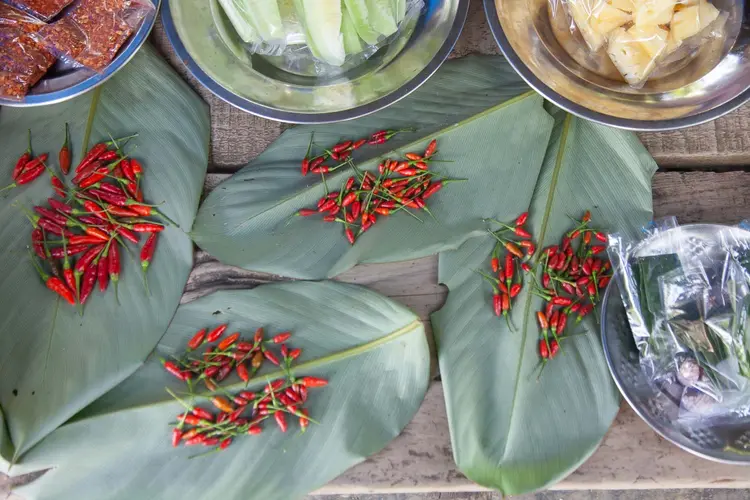
Meghalaya is truly a meat-lover’s paradise, and meghalaya cuisine reflects this passion with remarkable honesty. The flavours and food traditions that exist within Meghalaya are extremely varied and beautifully distinct from the rest of the Northeast. Across the state, different tribes have their own indigenous styles and tastes, yet common to all of them is a deep love for spice and meat. Pork is a prominent protein, and a unique hallmark of meghalaya cuisine is the use of fermented bamboo shoots. Each culture has its treasured ingredient – fermented soya beans for the Khasi, indigenous soda ash for the Garo, and the Pnar’s use of black sesame seeds. Dried meat and fish, preserved for long-term storage, lend intense and earthy flavours to many dishes. No ceremony or festival is ever complete without a hearty feast, and in traditional weddings, no marriage can take place without a lavish spread offered to the bride’s family by the groom.

Some of these delicious dishes, often celebrated among the famous food of meghalaya, loved for its depth and heritage, are:

Jadoh, Dohkhlieh and Tungrymbai

This iconic trio forms the heart of Khasi cooking, often appearing in travel searches for meghalaya famous dish collections. Jadoh is a rice dish where smoked pork is slow-cooked with a special red variety known as joha rice, sometimes enriched with a touch of pig’s blood. Dohkhlieh is a refreshing salad made from boiled pork, lime, and crisp vegetables. Tungrymbai brings a rich, deep flavour—fermented soya beans, pork, and sesame cooked slowly into a hearty gravy. These dishes are often referenced in guides to tribal food recipes Meghalaya, which preserve the indigenous cooking traditions, reflecting the indigenous culinary expertise of the Khasi people.

Nakham Bitchi

The traditional comfort food of the Garo Hills, Nakham Bitchi is a thick, warming soup made from dried fish—smoky, savoury, and nourishing. The fish is both fire- and sun-dried to preserve depth of flavour before being boiled until soft and simmered with vegetables, chillies, and aromatics. This dish is frequently highlighted alongside famous food of meghalaya, especially for visitors seeking authentic tribal flavours. Hot, restorative, and perfect for cold mountain evenings, it is typically enjoyed with rice to complete the meal.

Do’o Kapa

A beloved recipe from the Garo community, Do’o Kapa is a hearty chicken stew made with their unique ingredient, cooking soda—traditionally produced by burning wood into ash, known as Kalchi. This gives the stew an incredibly tender texture and a flavour found only in tribal food recipes Meghalaya. The dish is cooked with chillies, herbs, and fresh aromatics, and eaten with rice—a staple of Garo meals. Paired with a deep glass of locally brewed rice beer, Do’o Kapa stands proudly among meghalaya famous dish traditions.

Doh-Neiiong

One of the most well-loved dishes in the Khasi repertoire, Doh-Neiiong features pork cooked in a black sesame and chilli paste, giving it a deep, nutty earthiness. The sesame lends the dish its striking dark colour, dotted with green chillies. Slow-cooked until the pork is meltingly tender, it represents the soul of meghalaya cuisine—uncompromising, flavourful, and deeply rooted in tradition. Often enjoyed with pickled mushrooms, it remains a favourite in many homes and festivals.

Kyat

Kyat is the drink that brings everyone together in Meghalaya, especially during festivals and celebrations. This fermented rice beer, traditionally brewed at home, is now found in many eateries and restaurants across the state. Every household has its own subtle variation, making Kyat not only a beverage but also a cultural symbol. It is impossible to understand meghalaya culture and hospitality without experiencing Kyat, and no gathering proceeds without it being shared generously. Even travellers exploring what is the traditional food of nagaland often encounter Kyat in cross-cultural culinary discussions, as traditional brews form an important thread across tribal foodways of the Northeast.


Climates

Nature Beyond image

Meghalaya Climate: A Land of Shifting Skies, Mountain Winds, and Seasons Painted in Light

Few places in India are blessed with a climate as distinct and dramatic as meghalaya climate, where the seasons seem to shift with the movement of clouds across the hills. The vast diversity in terrain and altitude, combined with bountiful monsoons, creates intense seasonal variations that define the very rhythm of life. Travellers often find that all four seasons can be experienced in a single day, a reminder of why understanding meghalaya time to visit becomes so important, and why keeping a light jacket on hand is always a good idea.

During March and April, especially in the highlands of the Khasi Hills, spring settles gently over the land. Pleasant breezes and soft sunshine encourage locals and visitors alike to begin picnicking—a welcome start to the warmer meghalaya season to visit. Many travellers heading toward the heights also plan their journeys around shillong peak timing, hoping to catch clear views before the clouds return.

Between May and September arrives the true rainy season in meghalaya, when the monsoon takes centre stage. Rivers swell, waterfalls thunder, and the landscape transforms into a dramatic theatre of mist and motion. People flock to Cherrapunjee during this time to witness the awe-inspiring power of Nohkalikai Falls, one of the most iconic sights of the monsoon.

October and November are the harvest months, when golden afternoons illuminate the valleys and the cherry trees of the Khasi Hills burst into bloom. This short but brilliant autumn period is often considered another favourite meghalaya season to visit, drawing visitors who want to experience the crisp air, flowering trees, and many cultural festivals held across the state.

Wintertime marks the true season of the traveller, as meghalaya climate becomes its sunniest and clearest. From December to February, the weather turns ideal for exploration, hiking, and adventure sports. Frost occasionally graces the central highlands, and the cold, luminous mornings create an atmosphere unlike any other. Many who plan their trip carefully study meghalaya time to visit to ensure they arrive during these bright winter days, when the hills open themselves most generously to exploration.


Packages


Image Gallery