
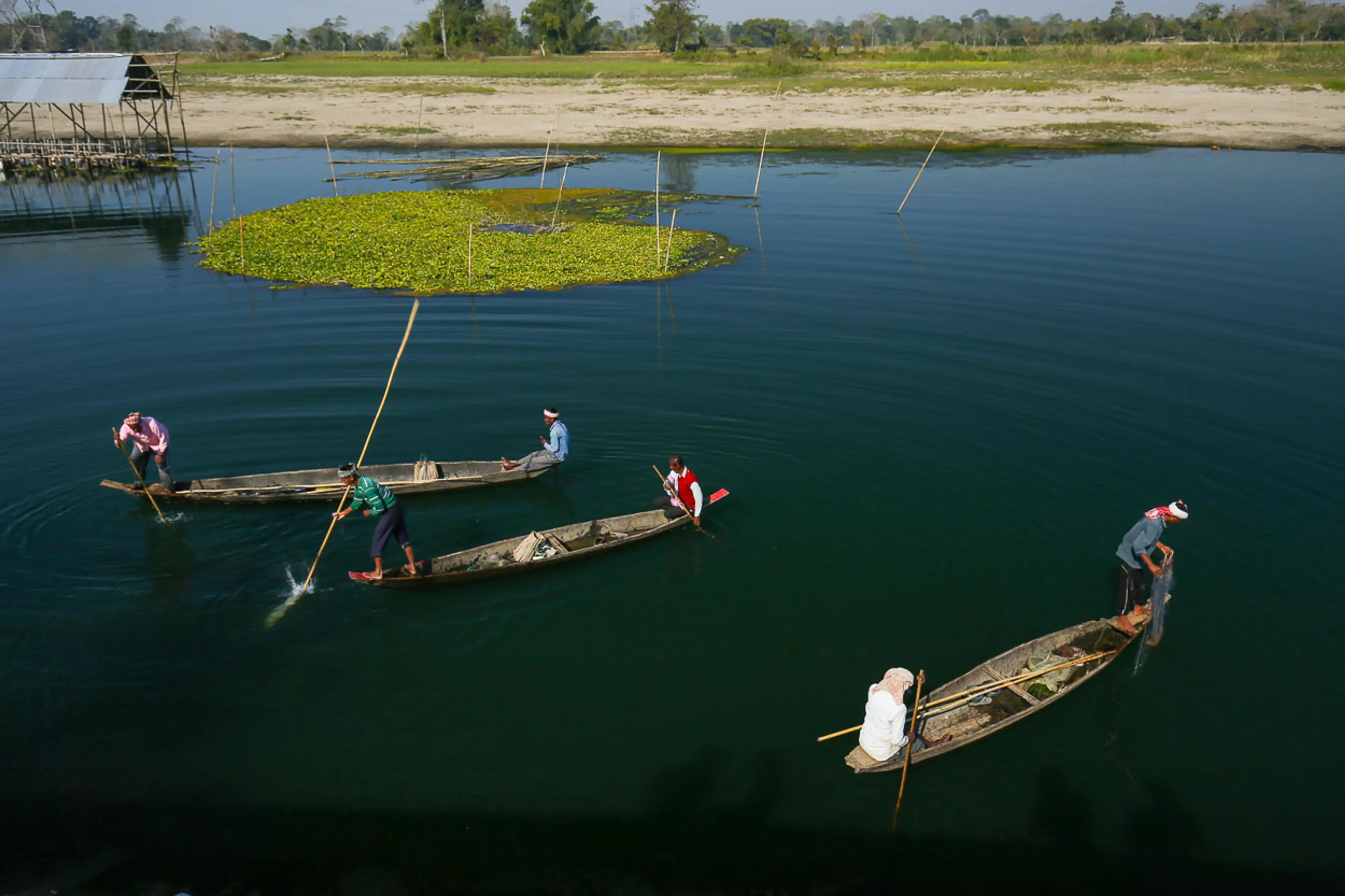
Majuli assam IMG 9345

Majuli Island

Encounter with Puzzles, People & Philosophy
Majuli stands as a living illustration of the mighty Brahmaputra’s ever-shifting puzzle, shaped continuously by the river’s power and seasonal flow. Recognised as the world’s largest river island, Majuli once covered an extensive area of approximately 1,250 square kilometres. Perpetually vulnerable to erosion, the island keeps altering its shape and size, reflecting the dynamic relationship between land and river. Although Majuli is known for its distinctive landscape, much of its visual beauty recedes each year during the monsoon rains. Yet what makes this island a perfect getaway for thousands of visitors is its sparkling stretches of radiant rice fields, the refreshing serenity that defines everyday life here, its exciting birding opportunities, and the water meadows that come alive with wild orchids.
Earlier, this used to be a narrow strip of land widely referred to as Majoli, which means a piece of land amid two parallel rivers. Majuli Island had the Brahmaputra flowing in the north, and it had the Burhidihing in the south. They ran parallel until bumping into each other at Lakhu. According to the historical texts and folk literature, it survived frequent earthquakes during 1661–1696 that resulted in a calamitous flood in 1750. It is said to have continued for long fifteen days. This introduced significant topographical changes in this area, and one of them is the formation of Majuli Island. These natural events shaped what is now recognised as the world’s largest inhabited river island and a vital part of Assam’s geographical history.
But a trip to Majuli not only delights visitors with its natural beauty; it is also a journey shaped by myths and mysteries. Beyond moments of serene seclusion, time spent under the deep blue sky, and quiet observations of the lives of birds and island communities, Majuli offers a deeper understanding of Indian tradition and philosophy. This cultural and spiritual dimension is an exclusive feature that lends greater depth to the travel experience.
A long-held legend is associated with this place, rooted in the belief that Lord Krishna, a popular deity of the Hindu religion, once played with his companions on the island’s sandbanks. Over time, this legend drew followers and strengthened Majuli’s spiritual significance. During the medieval age, the island emerged as an important centre of Vaishnavism. According to historical records, Srimanta Sankardeva, a pioneer of the Neo-Vaishnavite Movement in Assam, introduced a renewed form of Hinduism here in the sixteenth century by establishing monasteries and hermitages, famously known as satras. Majuli was also celebrated as the cultural capital of the Assamese civilisation during this period.

Activities in Majuli Island

Birding in Majuli
  • Birding in Majuli - Majuli is also a well-known birding sight and an emerging destination for bird watching in Assam. Exceptional bird watching tours are conducted, and it is home to around 100 species of bird, including some rare and threatened avifauna. Wetlands, open fields, and riverine habitats support a rich ecosystem that attracts both resident and migratory birds. Pottery here is quite famous, and you are bound to encounter some exciting creations during your walk on the trail, reflecting the island’s strong tradition of indigenous crafts.

Village tour
  • Village tour - The people residing at Majuli are mainly from tribal communities. Most of them are from Mising Tribes said to have settled here centuries ago. The other dwellers are either from the Deori or Sonowal Kacharis tribes. What people speak here are Mising, Assamese, and Deori. Namghar is the heart of the villages, and people gather here regularly for singing and offer prayers, reinforcing the island’s deep-rooted communal life.MORE


Attractions in Majuli Island
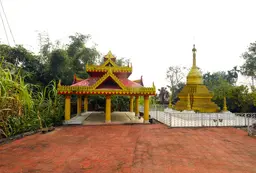
  • Satra in Majuli

    Two villages you must visit here are Kamalabari, not more than 3 kilometres from the ferry port and the other one is Garamur, barely 5 kilometres further north. The satras of Majuli are large, beautiful and exciting. The most visited ones are Dakhinpat Satra, Garamurh Satra, Auniati Satra, Kamalabari Satra, Benegenaati Satra and Samaguri Satra. These satras form the spiritual backbone of Majuli Island and continue to shape daily life on the river island.

    Read More

Enquiry

Guests

Adults
Child

Rooms

Single
Double
Triple

Accommodation Standard

Expected Budget range for the whole tour

Preferred Destinations

--OR--

Contact ID

Nearby Places

Connectivity

Majuli is just 20 kilometres away from Jorhat town. To reach Majuli, you will have to board a ferry from Neamati Steamer Ghat, and the place is well-connected with Jorhat via a bus route. It is just a few hour's rides, and you will get information booths, lodging facilities and food stalls over, but the options are a handful. Jorhat, although, is the convenient and nearest city for planning a trip to Majuli, you may also approach Lakhimpur and Dibrugarh.


Location of Majuli Island