Bramhaputra Dibrugarh Arunachal 2

Assam

Assam - A Journey of many colours

Carved out by the mighty Brahmaputra River valleys and lofty tea gardens, Assam is a quintessential land that instantly reminds of antique pastoral tapestries. Panoramic visuals of free-flowing Brahmaputra, mesmerizing canopy of trees, pleasant smiles of the workers in the tea gardens, vibrant festivals and last but not least, your unwinding moments with the wildlife are a few examples assuring a magnificent getaway—an experience every traveller dreams of during an assam trip or while exploring the charm of assam tourism. Many travellers begin their assam trip with these landscapes, discovering just how effortlessly nature and culture meet here.

Situated in the northeast, Assam is commonly referred to as Asom or Axom by the locals. Immensely famous for its diverse cultures and unique landscapes, the state sits in the middle of Bhutan and Arunachal Pradesh, drawing travellers in search of assam tourist places and those curious about assam famous food that completes every journey. The variety of assam tourist places—from river islands to wildlife sanctuaries—ensures each visitor creates a personalised travel story. It is little wonder that assam tourism has become a favourite among explorers looking for authenticity.

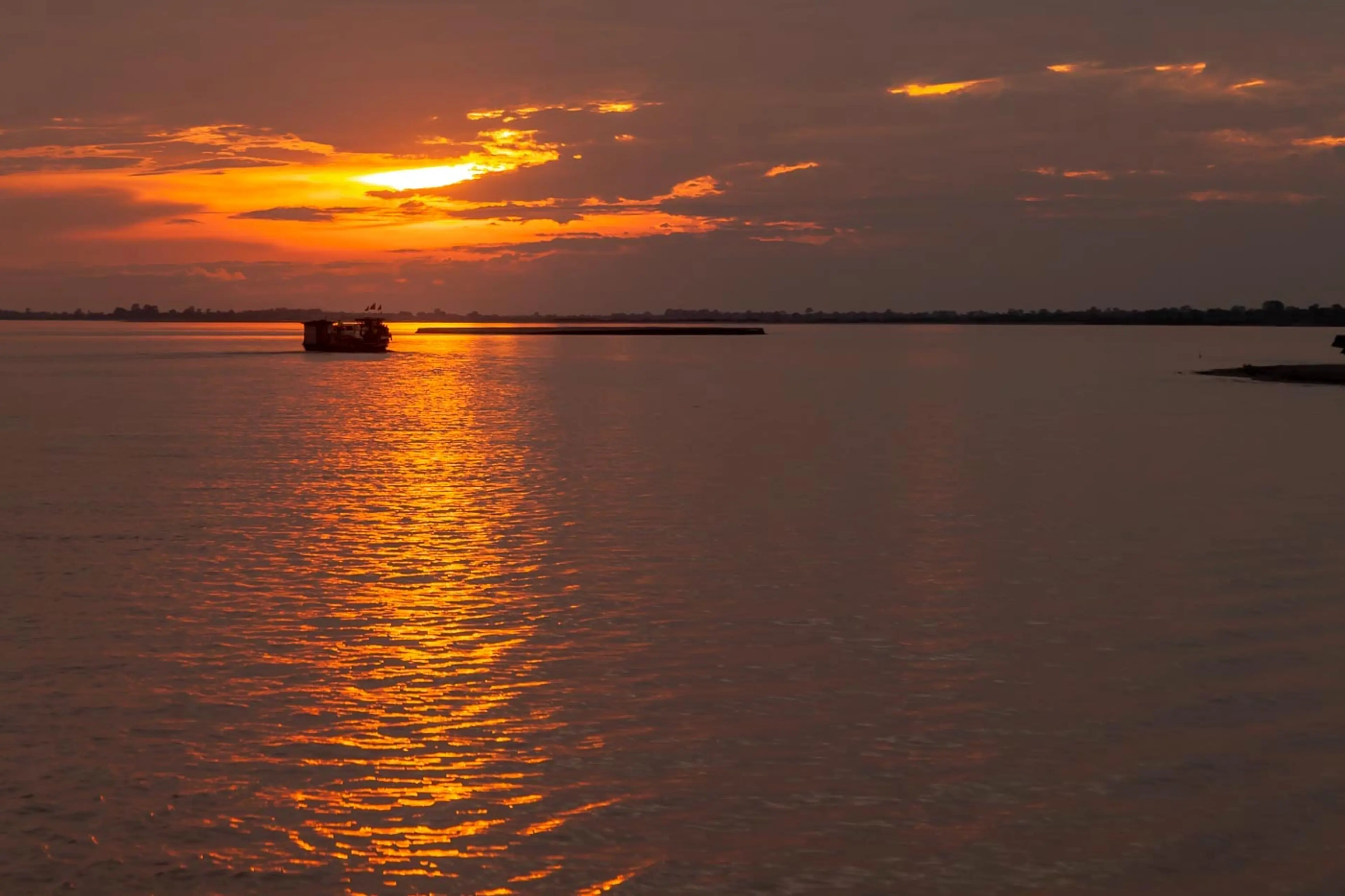
Here lies a tale of two names; Assam and Brahmaputra. One of the youngest rivers on earth, Brahmaputra is a unique attraction. Known by many names, the river is the lifeline of this rich land. Originating from Angsi Glacier in the Tibetan Plateau, the Brahmaputra is also one of the world's longest rivers and plays a vital part in Assamese civilization. As you traverse through the land's nook and crannies—often part of thoughtfully crafted assam tour package circuits—you understand that the river's scenic beauty and its close association with the serene and candid Assam are as incredible as classic tales. With the fantastic stories of the deities, the rise and fall of great empires, and the fascinating journey of a plural society, a trip on Assam's dramatic terrain is simply enthralling for anyone seeking unforgettable assam visit places or wishing to discover why assam is famous for its legends, landscapes, and culture. Many travellers choose an assam tour package specifically to follow these historic trails.

How is it possible that we talk about Assam and don't talk about its exciting wildlife? And it's not only about a tiger, elephants and rhinos. It is much more than what you get to see in several parks and sanctuaries that dot the landscape. It is a dream destination for bird lovers too, making it one of the most rewarding assam tourist places for nature enthusiasts.

The rolling drum beats amid the bursting crowd, the naïve people, the red river, and the unparalleled picturesque beauty of a green land has been pleasing visitors over the decades, adding yet another reason assam tourism stays etched in memory long after the journey ends.

Travel Destinations in Assam

Festivals

bihu assam IMG 9387

Bihu Festival

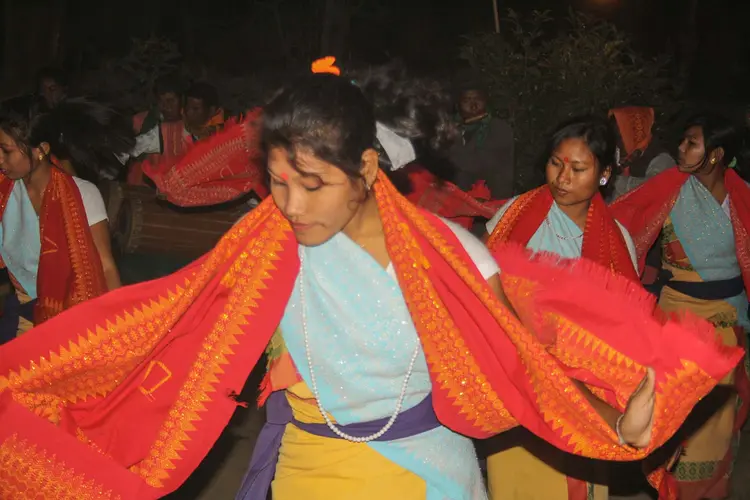
The most prominent assam festivals include Bihu, the most important and charming celebration of Assam. As the fresh leaves sprout and you hear a cuckoo calling tirelessly, you know the most beautiful time of the year has arrived. To this, spring in Assam adds fervour, flavour and fragrance. It's time for Assam to celebrate Rongali Bihu—an iconic assam festival bihu deeply rooted in assam culture. Bihu celebrations characterized by mutual surprise are acknowledged as the State Festival of Assam. Stand amid thousand revellers who gather to showcase the ethnic way of celebrating spring, and all you see is ecstasy. It can't get better than this – that's the immediate feeling.

Celebrated thrice in a year, Bihu marks the seasonal changes in a calendar and reflects the spirit of the uassamese harvest festival tradition. Agriculture for most of the Assamese is the primary source of living. And Bihu, the biggest festival in the state, celebrates farming. Natives of this wonderland celebrate three types of Bihu. Rongali Bihu commences with the beginning of the sowing of seeds. It happens in mid-April and also marks the starting of Assamese New Year. Bhogali Bihu, celebrated in January, marks the completion of the farming period, and it is time for the land to enjoy food as the granaries are full—often enjoyed with flavours of assam traditional food. Kati Bihu is comparatively a tame event and occurs during mid-October. This is a time when the paddy fields are not ready yet, and households run out of food grains.

Manas National Park Assam 60

Baishagu and Kherai

Baishagu is a festival of the Bodos, a branch of the Indo-Mongoloid family. These people migrated to reside in Assam from Tibet and Burma. According to the records, they were the first to arrive on the land to settle down. Baishagu comes in mid-April and is the most important festival of the tribe. The festival is quite famous as a colourful event and a springtime fiesta celebrated to welcome the New Year, often accompanied by the charm of assam traditional costume and the welcoming hospitality of assam culture.

The festival commences with cow worship. The next day of the occasion is celebrated by showing respect to the elderly members of the family. People bow down in front of their parents and seniors. Deity Bathou or Lord Shiva is worshipped on the final day by offering chicken and rice beer or Zou. The Bodos performing the Bagarumba dance during this time is an attractive part of the occasion, celebrated with the warmth and vibrancy seen across major assam festivals.

Nature Beyond image

Ali-Aye-Ligang

Here comes the Mishing Community, the second largest tribe of Assam, with one more reason to enjoy spring. Starting from mid-February, this is the most important festival in the community. Celebrated with much pomp and joy, Ali-Aye-Ligang, too—like Bihu—offers splendid glimpses of ancient assam culture. Occasions filled with traditional rituals and dances commence on the first Wednesday of the month of Ginmur Polo (February–March) in the Mishing calendar.

This is one more festival for agricultural production, and the exciting part is that its origin reveals the history of rural culture in the northeast. 'Ali' means seeds, 'Aye' means fruits, and 'Ligang' stands for sowing—echoing the philosophy of the uassamese harvest festival heritage. As recorded, fruits and grains in the past were the primary sources of sustenance for the community. Rice harvest came much later with the arrival of Aryan culture. Today, the festivity also marks the beginning of rice farming. With prayer, feast, dance and music, Ali-Aye-Ligang stands as another proud expression of assam traditional food and festive identity.

Nature Beyond image

Brahmaputra Festival

Organized mainly for tourists, this is again a festival that ensures a euphoric vacation. Celebrated at Guwahati, the festival is arranged on the river Brahmaputra banks, where Assam Boat Racing and Rowing, along with the Department of Tourism, offer several adventurous sports and cultural shows to entertain the visitors. There is a load of exuberant events that offer tourists an unforgettable vacation in the river valleys, from beach volleyballs to elephant races—an energetic extension of assam culture and the celebratory spirit seen across all major assam festivals.


Peoples

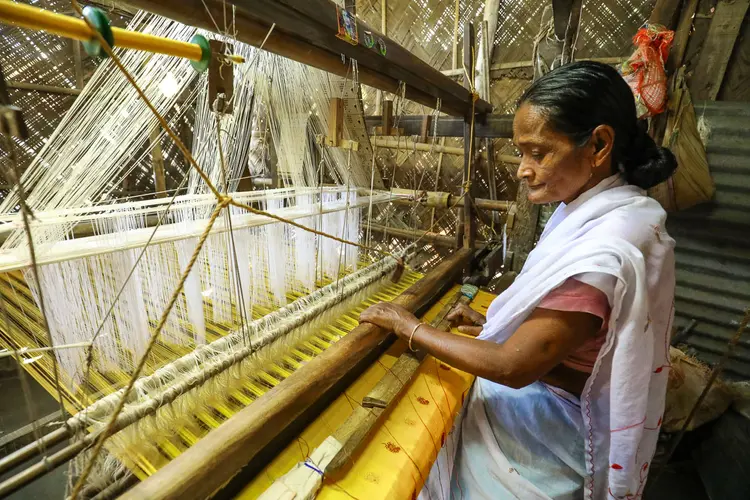
Sualkuchi kamrup assam 1B8A9099

People of Assam: A Tapestry Woven From Rivers, Hills and Ancient Lineages

The story of Assam is, above all, a story of its people—a vibrant mosaic shaped by drifting rivers, forested hills, and centuries of movement across valleys and borders. As you move through this northeastern land, you feel the quiet hum of many cultures living side by side, each carrying its own rhythm, rituals, and histories. Among them, the assam tribes stand at the core of this narrative, shaping every layer of assam culture with traditions that have endured for centuries. Scheduled Tribes form about 12.4–12.5% of the population, yet their influence on Assam’s identity is far deeper than numbers can capture. They are woven into the very landscape: the plains, the hills, the riverbanks, and the shifting wetlands where life has always followed the moods of nature—an imprint of the diverse tribes of assam.

Assam’s tribal world is traditionally divided between the “Plains” STs and the “Hills” STs—a distinction that mirrors the geography itself. In several hill regions, autonomous districts under the Sixth Schedule preserve local governance and cultural autonomy, allowing communities to protect age-old customs even as the world outside transforms. And in the wide Brahmaputra valley, the Bodo people—Assam’s largest Scheduled Tribe—stand as pillars of a rich Indigenous heritage, their dress, rituals and agrarian lifestyle echoing elements of assam traditional costume and the flavours of assam traditional food that define communal gatherings.

Across Assam, many other tribes animate the cultural landscape: the riverine Mising with their elegant stilt houses rising above floodplains; the Karbi, rooted in the hills with their distinct social structures; the Tiwa, bridging valley and plateau with their colourful rituals; the Rabha, Dimasa and Sonowal Kachari with their layered histories stretching back to ancient polities; the Deori, Garo, Hajong and Hmar whose songs and stories speak of forests, migrations and ancestral deities. Together, they form an intricate web of identities that enriches the world of assam tribes and further strengthens the mosaic of tribes of assam.

In the Barak Valley and surrounding districts, communities such as the Chakma add yet another thread to the state’s patchwork of identities. Assam is also home to the Tea-garden community—descendants of workers brought from Chota Nagpur and neighbouring regions during the colonial period—forming a unique socio-economic and cultural group whose festivals, rhythms of labour, and musical traditions are now inseparable from the state’s soul. Their customs, whether in food, attire or rituals, often blend seamlessly with broader assam culture, reflecting influences seen in both assam traditional costume and the region’s cherished assam traditional food.

Languages, too, flow like tributaries here: many tribal groups speak tongues from the Tibeto-Burman family, while Assamese gently binds the region together as a shared lingua franca. Yet the story of identity in Assam is never static. Debates over recognition, demands for ST status, and movements for local autonomy continue to shape the present. Through it all, the people of Assam—diverse, warm and resilient—remain the living heart of this remarkable land, carrying forward the living heritage of assam tribes and the timeless spirit of the tribes of assam.


Foods

Manas National Park Assam 52

Flavours of the Brahmaputra: Exploring Assam’s River-Rooted Cuisine and Timeless Food Traditions

Assam’s food culture is deeply rooted in its landscape, its rivers, and its long agricultural heritage. Rice is the principal staple across the state, and traditional Assamese meals are built around a variety of rice preparations—steamed rice, soft-boiled rice, or roasted forms that appear in everyday households. This everyday simplicity remains at the heart of assam food, where ingredients are allowed to express their natural flavours. Alongside rice, fish serves as the dominant form of animal protein. Thanks to the Brahmaputra and Assam’s thousands of wetlands, freshwater fish such as rohu, catla, and small river species form a core part of daily diets, often appearing in stews, grills, or the famous tangy curry known as masor tenga—one of the most treasured expressions of assam traditional food and a beloved entry among assam famous food name dishes.

There is no doubt that the cuisine of a place is the most fun part of any travel experience. And only a fool would differ. The traditional dishes of a particular destination are perhaps the first things that allow you the genuine taste of its culture. More interestingly, you find a brief and crisp introduction to history through delicious bites, especially when exploring assam food recipes passed down for generations. Whether it is a homely preparation of fish, a rustic bowl of khar, or a festival plate of pitha, each dish mirrors the land, the rivers, and the warmth of Assamese homes. Many such preparations are counted among cherished assam favourite food traditions that visitors remember long after leaving.

Most of the people in Assam are non-vegetarian, and the items range from fish, duck, and pigeon, to pork. Its long association with the mighty river and countless ponds has made fish an integral part of Assamese food habits. And like Bengal, in Assam too, fish is an item of the daily diet. Many households take pride in preparing comforting meals built around fish and rice—meals that represent the essence of assam traditional food and enrich the growing list of assam famous food name favourites. Assamese people are also fond of adding chilli pickles to their plates. Naga Chilli, found in the region, is considered one of the hottest in the world. Mustard oil is the preferred cooking medium, and ingredients like ginger, garlic, pepper, onion, and fenugreek are ever-present in kitchens, shaping several classic assam food recipes.

Assamese people have a unique way of serving food that is also very interesting. According to tradition, the manner to enjoy a meal is to take a seat on bamboo mats or on a low wooden stool. The items are served in courses and on large metal plates. The warmth with which they serve the food is even more delightful than the preparations, and they make sure that diners finish their courses with a lifted heart. These customs bring out the tenderness of assam culture, where meals often include both non-vegetarian dishes and beautiful assam famous food veg selections made from seasonal greens, herbs, and simple stews.

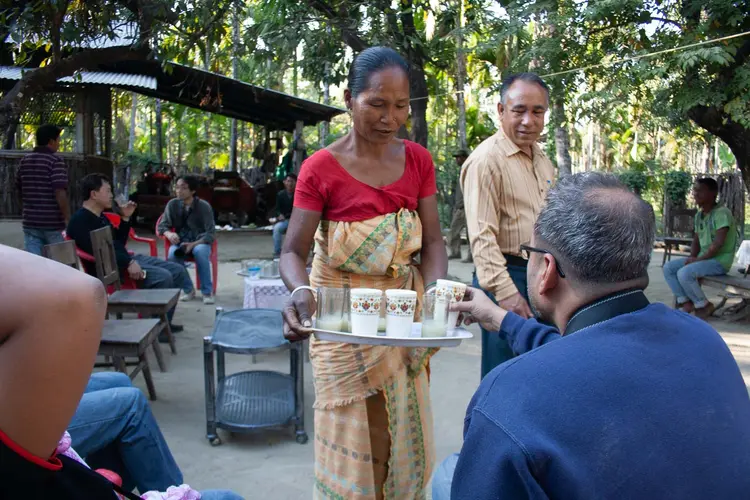
Beyond these customs, Assam’s flavour profile is shaped by minimal use of heavy spices and a greater reliance on fresh herbs, mustard oil, and souring agents like tomato, roselle, and elephant-apple. Fermented ingredients such as bamboo shoot and fermented mustard are culturally significant across communities. Signature dishes like khar and festival-time pitha reflect the state’s culinary identity, while regional preferences for pork or duck highlight Assam’s diversity. For travellers wishing to understand assam food in all its depth, exploring both elaborate dishes and everyday staples—many of which are preserved in traditional assam food recipes—offers the richest insight into the region’s heritage. And no account of assam traditional food is complete without tea—laal saah—a defining beverage of one of the world’s most important tea-growing regions.


Climates

Kaziranga national park assam 1B8A9599

Climate of Assam: A Land Where Seasons Flow Like a River

Assam’s climate reads like a long, wandering tale—one shaped by the moods of the monsoon, the warmth of the plains, and the quiet cool of winter drifting in from distant hills. This shifting rhythm of assam climate is something every traveller notices instantly on an assam trip, where each season paints the land differently. The state lives under a humid subtropical sky, where the south-west monsoon reigns supreme. From June to September, rain becomes a constant companion, arriving in sweeping curtains that drench tea gardens, villages, and riverbanks alike. In many districts, annual rainfall rises from nearly 1,500 mm to well over 3,000 mm, turning the land lush and impossibly green. For many travellers planning their journey, these patterns help determine the best time to visit assam depending on whether they seek mist, rain, or winter sunlight.

Before these heavy showers arrive, the Brahmaputra valley enters its own prelude—a hot pre-monsoon season marked by rising temperatures and long, shimmering afternoons. This early heat builds like an overture to the monsoon’s grand performance. Then, as the season retreats, winter descends on Assam with a quieter personality. From November to February, the air softens, the mornings turn misty, and the days settle into a mild coolness that brings relief after relentless rain. It is this pleasant winter that many travellers consider the best time to visit kaziranga national park assam, often choosing wildlife-focused assam tour package options that highlight the region’s rich biodiversity.

Yet the same mighty Brahmaputra that nurtures Assam also tests it. Each year, the monsoon’s heaviest spells bring floods that ripple through the plains, reshaping fields and altering daily routines. For farming communities, these waters are both ally and adversary—nourishing the soil yet undoing months of labour. Rice remains at the heart of Assamese agriculture, and the planting and harvest cycles are deeply tied to climate behaviour; a stubborn monsoon or unexpected flood can transform entire seasons. These climate patterns also shape favourite assam visit places, with travellers often selecting locations that match the seasonal mood they hope to experience.

Temperatures, too, play their part. In cities like Guwahati, the yearly average hovers in the mid-20s°C, yet summers push harder, combining heat and humidity to create sweltering days with soaring heat-index levels. Over generations, Assam has learned to live not in spite of these variations, but with them—finding harmony in the rains, resilience in the floods, and joy in winter dawns that settle briefly across this river-carved land. For visitors exploring assam climate, these shifting moods simply deepen the charm of an unforgettable assam trip.


Packages


Image Gallery