
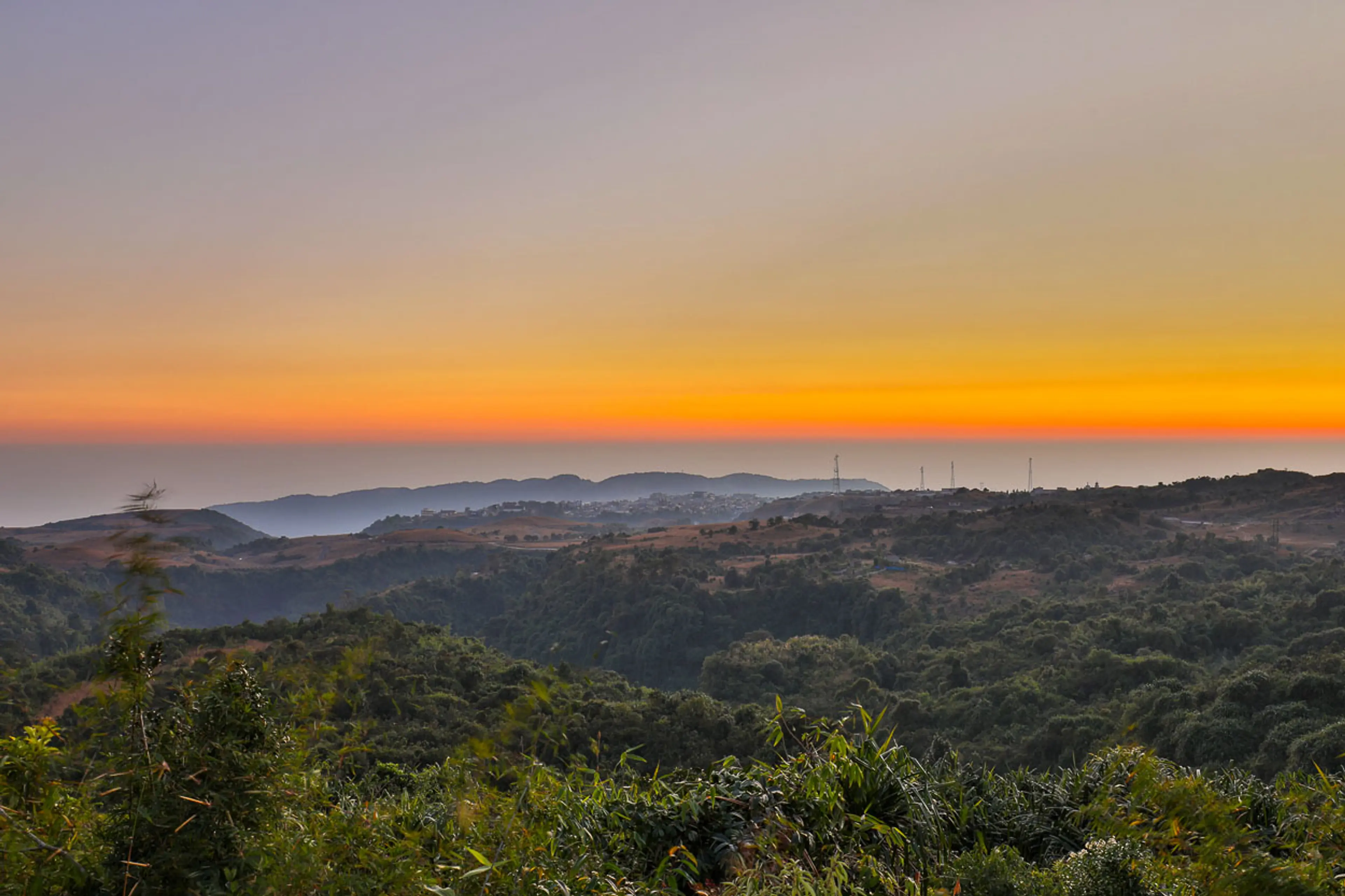
Mawsynram
Activities in Mawsynram

Nature Excursion - Mawsynram offers rich opportunities for slow, immersive nature excursions shaped by its extreme climate and biodiversity. Within the town itself, a small aviary houses several exotic bird species, but the true experience unfolds in the surrounding forests and hills. These landscapes support a remarkable range of birdlife, including Pied Cuckoos, Vernal Hanging Parrots, and Golden Babblers, making Mawsynram Meghalaya a rewarding destination for birdwatching enthusiasts. Moss-covered trails wind through dense vegetation, where oversized ferns thrive in the moisture-laden air. As dusk settles, the forests resonate with the chorus of colourful frogs, while brief bursts of sunlight often send clouds of butterflies into motion. In some areas, attentive travellers may even encounter the rare Pitcher Plant, adding botanical interest to nature walks.MORE

Hiking - Meghalaya is often described as the land of the foot traveller, and hiking in Mawsynram reflects this ethos. The area around the town offers a range of walking routes, from short half-day hikes to longer full-day excursions. Due to frequent rainfall, trails are often slick with moss and algae, making sturdy footwear essential. These conditions, however, also contribute to the region’s lush beauty and constantly changing scenery.MORE

Caving in Krem Puri - Caving is among the most distinctive activities near Mawsynram, centred on the vast Krem Puri cave near Laitsohum village, just a 10-minute drive away. Stretching approximately 25 kilometres, Krem Puri is the longest sandstone cave in the world and was only discovered in 2016. One of its entrances is a narrow shaft that requires visitors to crawl on hands and knees, immediately setting the tone for a serious exploration experience. Safety equipment and an experienced guide are essential and can be arranged locally.MORE

Village exploration - Despite its reputation for relentless rain and heavy mist, life in Mawsynram is marked by warmth and hospitality of the locals. Exploring the village offers cultural insight into how communities have adapted to living in the wettest place on earth. Visitors are often invited to share a steaming cup of local tea, known as Kwai, while listening to stories of resilience and everyday life shaped by extreme weather.MORE

David Scott Trail - The David Scott Trail is the oldest trekking route in Meghalaya and forms part of a historic 100-kilometre trade route dating back to the British Raj. The trail connects Mawphlang village with Lad Mawphlang, covering a distance of about 16 kilometres. It passes through a striking variety of landscapes, including deep valleys, dense primeval forests, open meadows, hilltops, and stone bridges that cross mountain streams.MORE
Attractions in Mawsynram

Konthong, the Whistling Village
Located about 60 kilometres from Shillong, Kongthong is a small village dramatically positioned along a cliff edge, overlooking deep valleys, flowing streams, terraced gardens, and forested slopes. The area is also known for hosting the highest living root bridge in Meghalaya, adding to its cultural and ecological significance. While the village earns income through the production of high-quality local honey, this is not what makes Kongthong internationally distinctive. What sets it apart is its unique linguistic tradition, which has earned it the name the Whistling Village.
Read More
Krem Puri Cave
Just ten minutes from Mawsynram, near Laitsohum village, lies the vast Krem Puri Cave, which holds the world record as the longest sandstone cave at approximately 24.5 kilometres. This extraordinary cave system has placed Mawsynram Meghalaya firmly on the global speleology map. Entry into the cave requires local guides and appropriate equipment, which can be arranged nearby. The entrance is narrow and requires crawling, but once inside, the cave opens into expansive chambers filled with striking natural formations.
Read More
Mawjymbuin Cave
Situated just five minutes outside Mawsynram town, Mawjymbuin Cave is one of the region’s most spiritually significant and frequently visited sites. The cave’s entrance measures only about four metres in height but spans nearly 50 metres in width, opening into a large cavern with multiple branching passages. A small stream flows through massive boulders inside the cave, adding to its atmospheric presence.
Read More
Mawlyngbna Village
Around 40 minutes’ drive from Mawsynram, Mawlyngbna village sits atop a hill and is surrounded by a varied and dramatic landscape of lakes, streams, rocky canyons, and forested terrain. Several natural springs supply fresh water year-round and feed a small man-made lake known as Umkhakoi. The area is also notable for its naturally formed circular potholes—some large enough for a person to sit inside—which function as miniature ecosystems.
Read More
Nongkhnum River Island
Nongkhnum River Island presents a striking contrast to Meghalaya’s steep cliffs and high plateaus. Formed where the Kynshi River divides into the Phanliang and Namliang rivers, this lush island is the second-largest river island in India and one of the largest uninhabited islands in Asia. Camping is the only accommodation option on the island, enhancing its remote and immersive appeal.
Read More
Mawphanlur Village
Mawphanlur is a little-known village set on a rolling plateau in the West Khasi Hills, offering a complete retreat from urban life. Scattered cottages sit among lakes and ponds, surrounded by open meadows and distant hills, creating one of the most tranquil landscapes in Meghalaya. The sounds of birds, grazing cattle, wind, and rain define daily life here.
Read More
Kyllang Rock
Approximately two hours’ drive from Shillong stands Lum Kyllang, a massive red granite monolith rising 720 feet above the surrounding landscape. Encased in dense forest, this enormous rock formation offers sweeping views from its summit, where visibility can extend for miles on clear days. The forests on and around Kyllang Rock are rich in birdlife and contain rare rhododendrons and ancient oak trees.
Read More
Mawphlang
Located about 25 kilometres from Shillong on the route to Mawsynram, Mawphlang is a quiet village set on a ridge overlooking the Mawphlang Dam. During colonial times, it was an important centre due to the presence of the Presbyterian Church of Wales. Today, the village is surrounded by pastoral scenery, with grazing sheep, cultivated fields, and well-tended gardens defining the landscape.
Read MoreMawphlang Sacred Forest
Khasi culture views forests as sacred spaces, integral to spiritual and cultural identity. Among the many protected groves across Meghalaya, the Law Kyntang, or Sacred Grove near Mawphlang, is the most important for the Khasi people. This ancient forest has remained untouched for centuries, preserved through strict traditional beliefs.
Read More