

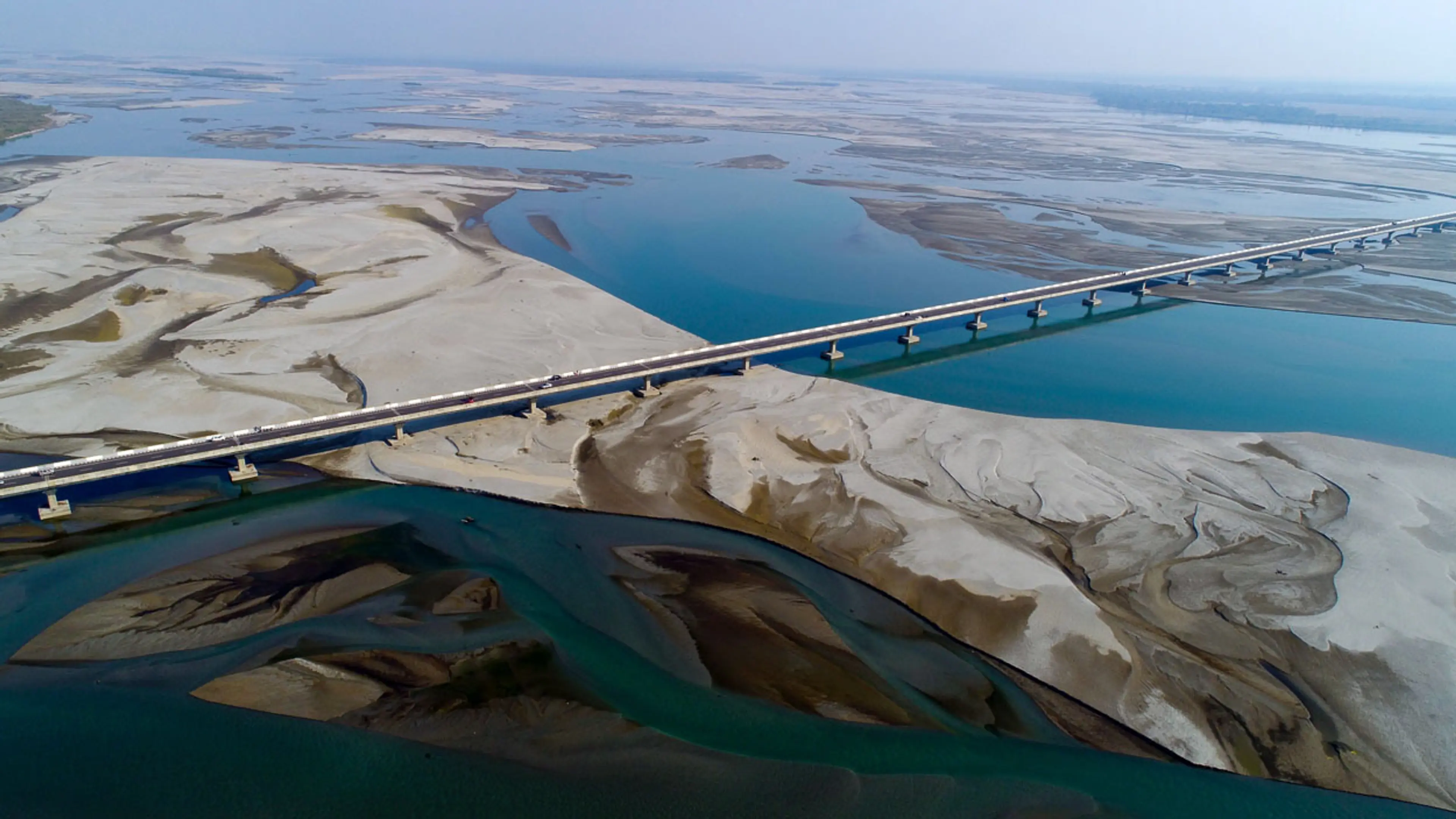
Experience the Majestic Himalayas - Your Gateway to Adventure Tourism
Discover Unforgettable Travel Destinations Across the Himalayan Region
Embark on extraordinary journeys through pristine landscapes, ancient cultures, and breathtaking mountain vistas. From spiritual retreats to adrenaline-pumping adventures, find your perfect Himalayan experience with our curated travel packages.
Select your Travel Destination
Click on any pointer in the Interactive Map to find more details of a specific travel destination. Zoom in to get more destination.
Select your Travel Destination
Click on any pointer in the Interactive Map to find more details of a specific travel destination. Zoom in to get more destination.
Naturebeyond Signature Packages
Some of our most popular tours in the Global Markets
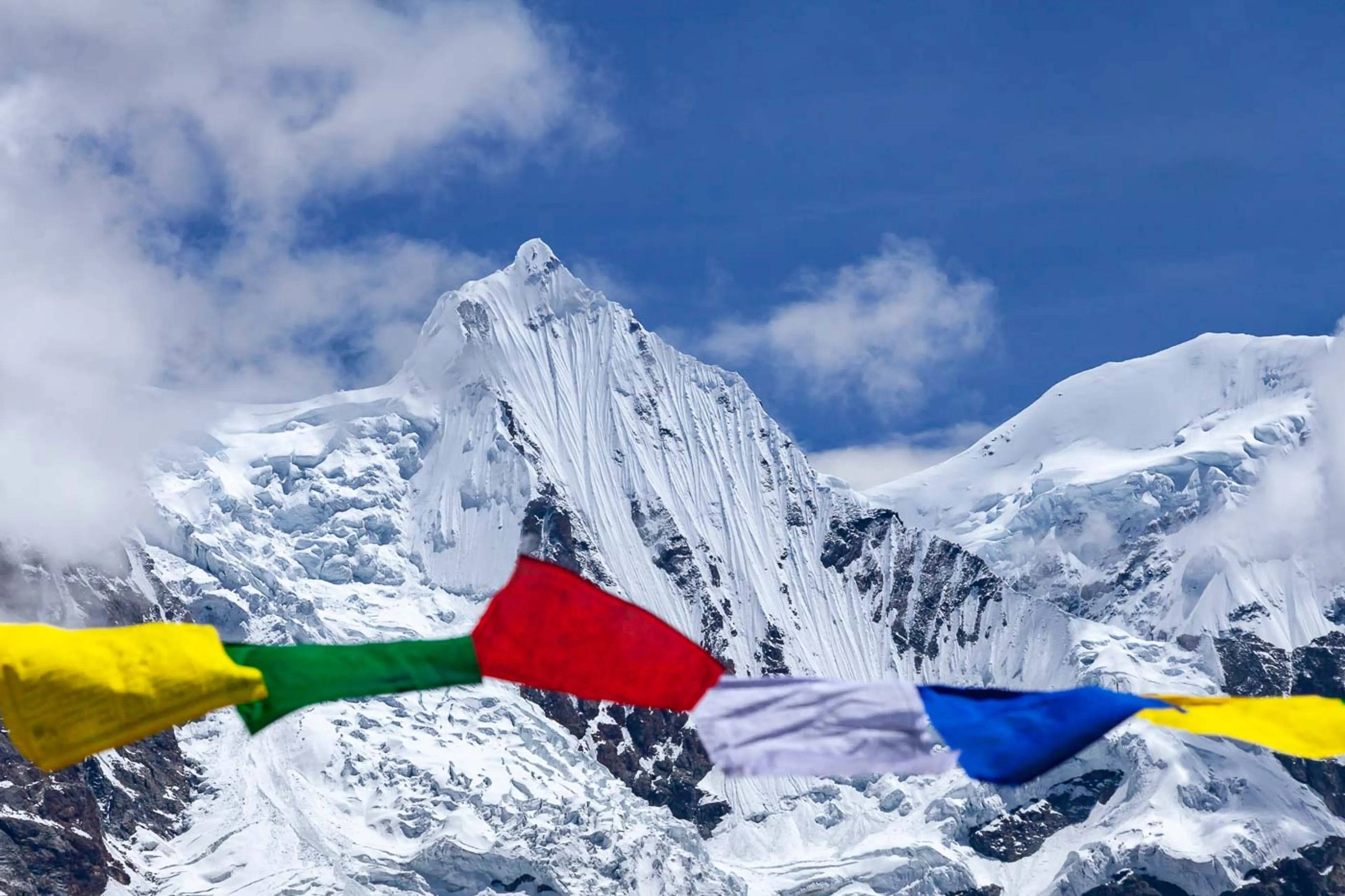
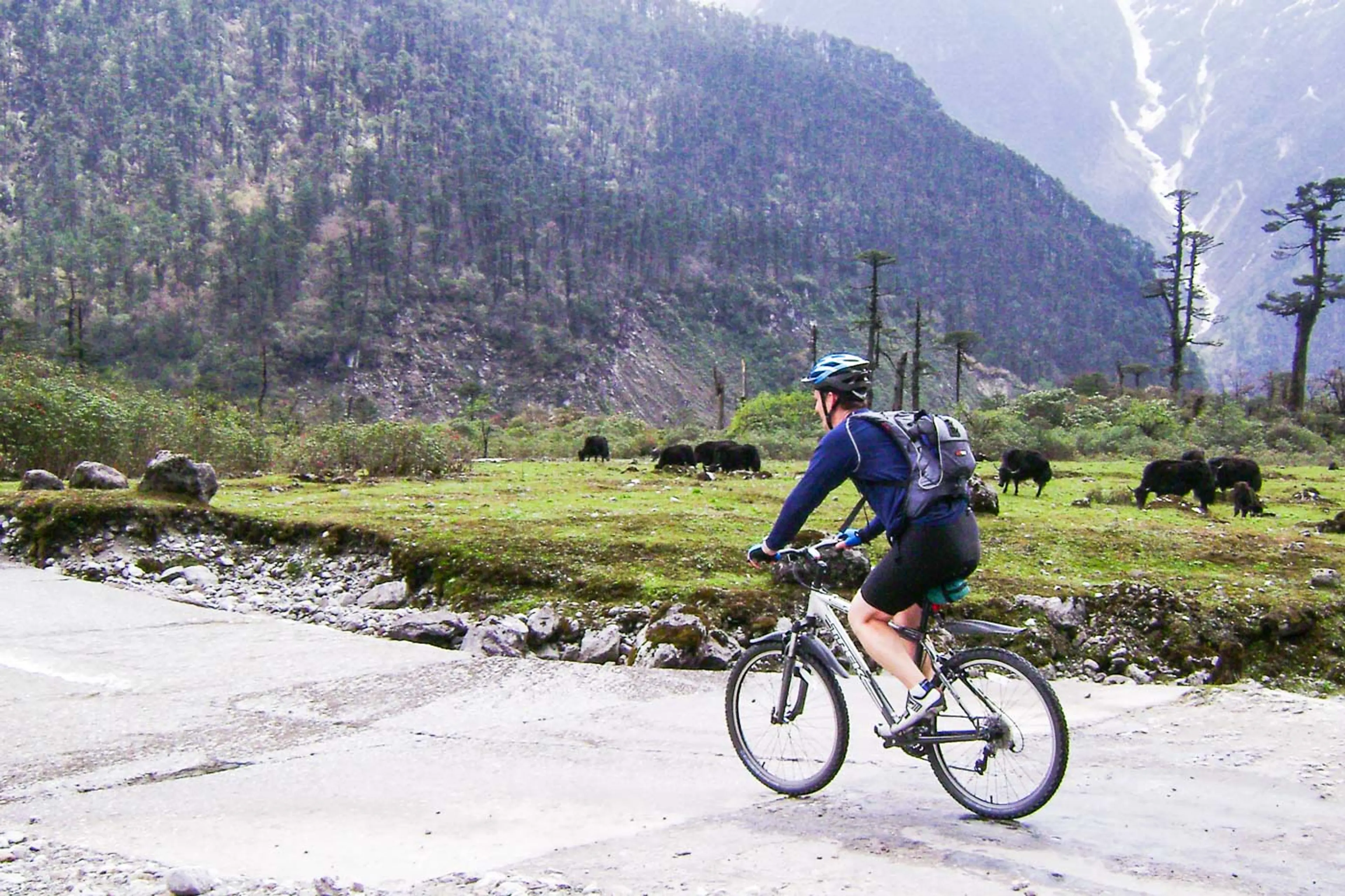

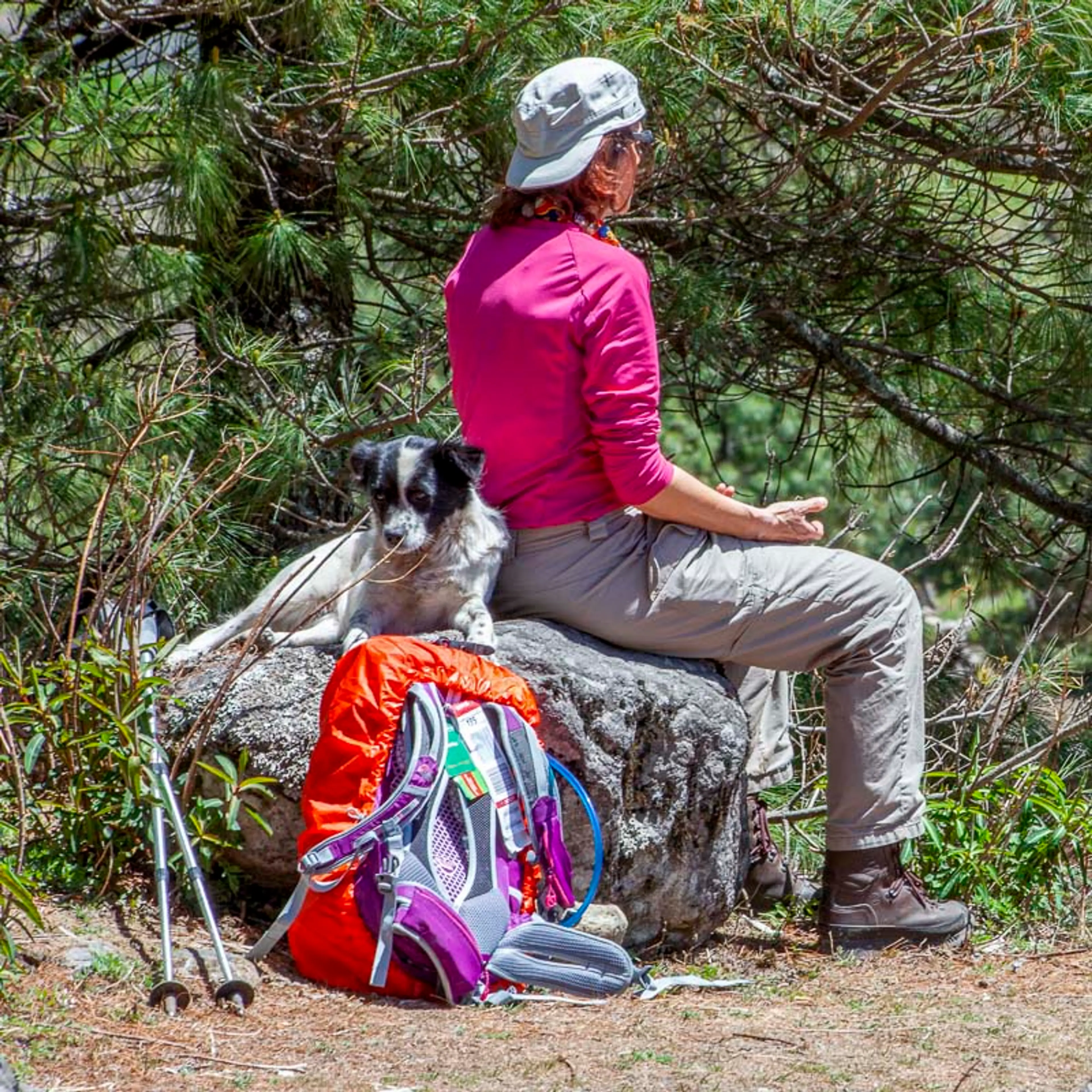
Travel Theme
We have handcrafted tours with varied Travel Themes and Experiences. Scroll to find your suitable one.





what guests say about us...
Disclaimer | All of these videos are genuine Naturebeyond's clients' feedback. However, since the amateurs in the field took these videos on their handphones, the image/sound qualities may not be up to the standard. Please use earphones for a better sound clarity.


Frequently Asked Questions about Himalayan Travel
- Can I travel during monsoon in Northeast India?
- Can I travel during monsoon in Northeast India? Yes, monsoon travel in Northeast India is possible and can be highly rewarding, especially in Meghalaya tourism regions, which are known for heavy rainfall, lush greenery, and seasonal waterfalls. During this time, destinations across Meghalaya, Assam, Sikkim, and North Bengal transform into vibrant landscapes, making it ideal for nature-based travel, slow travel in the Himalayas, and Eastern Himalaya travel experiences. Monsoon is one of the best seasons to explore living root bridges in Meghalaya, forest trails, river ecosystems, and tea gardens in Darjeeling, as the environment becomes more active and visually dynamic. However, heavy rainfall can affect road conditions, visibility, and travel pace, particularly in remote Arunachal Pradesh and Sikkim trekking routes. For travellers focused on cultural travel in Northeast India, village life experiences in Sikkim, and immersive Himalayan landscapes, monsoon offers a distinct and less crowded travel experience.
- What are the best trekking routes in Sikkim and the Eastern Himalayas?
- The best trekking routes in Sikkim and the Eastern Himalayas include the Goechala trek, Kanchenjunga trek, Singalila trek, Darjeeling trek routes, Arunachal trek routes, and West Sikkim trekking trails, all of which are recognised as major Himalaya trekking experiences in Northeast India. These routes form the core of trekking Sikkim and Northeast India trekking circuits, offering varying levels of altitude, terrain, and trekking duration. The Goechala trek in Sikkim trekking regions is known for high-altitude access and views of Kanchenjunga, while the Kanchenjunga trek is a long-duration expedition covering remote Himalayan terrain. The Singalila trek and Darjeeling trek routes provide ridge-based trekking with multi-peak visibility across the Eastern Himalayas. These Sikkim trekking and Himalayan trekking routes are categorised based on difficulty, elevation, and accessibility, making them suitable for both beginner and advanced Himalaya trekking and Northeast India trekking experiences.
- Are meals included in trekking and travel experiences?
- Yes, most Himalayan trekking and travel packages in Sikkim and Northeast India travel itineraries include meals and accommodation as part of the overall experience. During trekking in Sikkim, Goechala trek, Kanchenjunga trek, Singalila trek, and Arunachal trekking routes, meals are carefully planned based on altitude, terrain, and energy requirements, often including simple, nutritious food suitable for Himalaya trekking conditions. In village life in Sikkim, rural Sikkim travel experiences, and cultural travel in Northeast India, meals are typically locally prepared using regional ingredients, offering insight into traditional cuisine and food practices. Travellers can experience home-cooked meals in Sikkim homestays, Darjeeling tea estate stays, and Northeast India village accommodations, making food an important cultural component. Overall, meals are an integral part of Eastern Himalaya travel experiences, supporting both physical needs during trekking and cultural immersion during village and community-based travel.
- What should I pack for trekking in Sikkim and the Eastern Himalayas?
- Packing for trekking in Sikkim and Eastern Himalaya trekking routes requires preparation for high-altitude conditions, temperature variation, and terrain challenges associated with Himalaya trekking experiences in Northeast India. Essential items include trekking shoes, thermal layers, waterproof jackets, windproof outerwear, backpacks, gloves, and headgear suitable for Sikkim trekking and high-altitude Himalayan trekking routes such as Goechala trek, Kanchenjunga trek, and Singalila trek. Additional equipment such as trekking poles, hydration systems, energy food, and personal medical kits are recommended for extended trekking Sikkim and Northeast India trekking activities. Packing requirements may vary depending on duration, altitude, and route type across Darjeeling trek routes, West Sikkim trekking trails, and Arunachal trek regions. Proper gear selection is essential for safe participation in Himalayan trekking in Sikkim and Eastern Himalaya travel activities, ensuring comfort, safety, and adaptability to changing trekking conditions.
- Are Himalayan travel experiences suitable for couples and families?
- Yes, most Himalayan travel experiences in Northeast India, including Sikkim travel, Meghalaya tourism, Assam cultural tours, Arunachal Pradesh travel, and Darjeeling travel experiences, are well-suited for couples and families. These journeys are designed with flexibility, comfort, and safety in mind, making them accessible for different age groups and travel preferences. Activities such as village life in Sikkim, rural Sikkim homestays, Darjeeling tea garden visits, and wildlife exploration in Assam and Sundarbans offer relaxed, low-intensity experiences that do not require high physical effort. Even light Sikkim trekking, short Himalayan walks, and scenic road trips across the Eastern Himalayas can be customised based on fitness levels and time availability. With structured itineraries, local support, and manageable travel pacing, Eastern Himalaya travel experiences provide a balanced combination of nature, culture, and comfort, making them ideal for both romantic trips and meaningful family holidays.
- Is altitude sickness a concern during Himalayan activities?
- Altitude sickness can be a concern during high-altitude Himalayan trekking experiences, particularly in regions such as Sikkim trekking routes, Goechala trek, Kanchenjunga trek, and Arunachal trek areas, where elevations often exceed 2,500–3,000 meters. It typically occurs when the body does not get enough time to adjust to reduced oxygen levels at higher altitudes. Common symptoms include headache, nausea, fatigue, dizziness, and shortness of breath, especially during rapid ascent without proper acclimatisation. Most trekking in Sikkim and Eastern Himalaya travel itineraries are designed with gradual altitude gain, rest days, and acclimatisation stops to minimise risk. Travellers are advised to stay hydrated, avoid alcohol, maintain a steady pace, and follow local guidance during Himalaya trekking activities. With proper planning and awareness, altitude-related issues can be effectively managed, allowing for a safe and comfortable Northeast India travel experience.
- What makes village life experiences in Sikkim unique?
- Village life in Sikkim and rural Sikkim travel experiences are unique because they provide direct, day-to-day engagement with local communities, traditional practices, and the natural environment of the Eastern Himalayas. Unlike standard tourism, travellers stay in Sikkim homestays, where they can observe and participate in activities such as farming, organic cultivation, local cooking, and traditional food preparation. These experiences are a key part of slow travel in the Himalayas, focusing on sustainability, cultural continuity, and community-based tourism. Visitors also gain insight into local customs, festivals, and ecological practices that are closely tied to the Himalayan landscape. As a form of cultural travel in Northeast India, village experiences in Sikkim offer a more practical and grounded understanding of regional identity, making them an important component of authentic Himalaya travel experiences.
- Do I need to be physically fit for Himalayan travel experiences?
- You do not need advanced fitness for most Himalaya travel experiences and Northeast India travel activities, but a basic level of stamina is recommended. Activities such as village life in Sikkim, Darjeeling tea garden visits, cultural travel in Assam, and scenic road trips across Himalayan landscapes involve light walking and travel rather than continuous trekking. Even in Sikkim trekking or arunachal trek routes, itineraries are designed with gradual pacing and rest periods. For most travellers, slow travel in the Himalayas, rural Sikkim stays, tea estate exploration, and cultural experiences in Northeast India are accessible without intensive preparation, making them suitable for different age groups and travel styles.
- How many days are required for trekking in Sikkim and the Eastern Himalayas?
- The number of days required for trekking in Sikkim and Eastern Himalaya trekking routes depends on the specific route, altitude, terrain, and acclimatisation requirements within different Himalaya trekking experiences in Northeast India. Short-duration treks such as West Sikkim trekking trails, Darjeeling trek routes, and sections of the Singalila trek typically require 3–6 days, making them suitable for beginner-level Sikkim trekking and Northeast India trekking activities. In contrast, longer treks such as the Goechala trek and Kanchenjunga trek generally require 8–12 days due to higher altitude, longer distances, and necessary acclimatisation periods. Extended Arunachal trek routes and remote Himalayan trekking circuits may require additional days depending on accessibility and terrain conditions. Duration planning is essential for safe participation in trekking Sikkim, Himalayan trekking in Northeast India, and Eastern Himalaya trekking experiences, ensuring proper pacing and altitude adaptation.
- Do I need prior experience for trekking in Sikkim and the Eastern Himalayas?
- Prior experience is not mandatory for all trekking in Sikkim and Northeast India trekking routes, but requirements depend on the specific Himalaya trekking experience, altitude level, and route difficulty. Beginner-friendly options such as West Sikkim trekking trails, Darjeeling trek routes, and moderate sections of the Singalila trek can be completed without prior trekking experience, making them suitable entry points into Sikkim trekking and Northeast India trekking activities. However, advanced routes like the Goechala trek, Kanchenjunga trek, and certain Arunachal trek regions require prior high-altitude trekking experience, physical endurance, and familiarity with multi-day trekking conditions in the Eastern Himalayas. For most trekking Sikkim and Himalayan trekking routes, basic fitness, ability to walk long distances, and understanding of altitude conditions are sufficient. Structured itineraries and guided support further enable safe participation in Himalaya trekking experiences across Northeast India.
- Are guides mandatory for trekking in Sikkim and Northeast India?
- Guides are mandatory for most trekking in Sikkim and Northeast India trekking routes, particularly in protected, high-altitude, and border regions within the Eastern Himalayas. Treks such as the Goechala trek, Kanchenjunga trek, Arunachal trek routes, and several West Sikkim trekking trails require licensed guides and registered trekking operators due to permit regulations and safety requirements associated with Himalaya trekking experiences. In Sikkim trekking routes, entry into national parks and restricted areas is typically allowed only through authorised trekking groups with guides. Similarly, Arunachal trek regions and remote Northeast India trekking routes require local guides for navigation, logistics, and compliance with regional regulations. Even for moderate routes such as the Singalila trek and Darjeeling trek routes, guides are strongly recommended for safe route navigation, terrain understanding, and structured participation in trekking Sikkim and Eastern Himalaya trekking activities.
- Is trekking in Sikkim suitable for beginners?
- Yes, many Sikkim trekking routes and Himalayan trekking experiences are suitable for beginners with basic fitness and no prior trekking experience. While high-altitude treks like the Goechala trek and Kanchenjunga trek require preparation, several moderate routes such as West Sikkim trekking trails and Darjeeling trek routes like Singalila trek are accessible. These treks involve gradual elevation gain, making trekking in Sikkim and the Eastern Himalayas manageable for first-time travellers. With proper planning, pacing, and guidance, beginners can comfortably experience Himalaya trekking, forest trails, and mountain landscapes, making it an ideal introduction to Sikkim trekking, darjeeling trek routes, and broader Northeast India travel experiences.
- What is the best time for trekking in Sikkim and the Eastern Himalayas?
- The best time for trekking in Sikkim and Eastern Himalaya trekking routes is during spring (March–May) and autumn (September–November), which provide optimal conditions for Himalaya trekking experiences in Northeast India. During these seasons, weather remains stable, visibility is high, and trekking trails across Goechala trek, Kanchenjunga trek, Singalila trek, Darjeeling trek routes, Arunachal trek routes, and West Sikkim trekking trails are accessible and safe for trekking. Spring is suitable for Sikkim trekking and Himalayan trekking routes due to moderate temperatures and clear trail conditions, while autumn offers dry weather, reduced rainfall, and improved mountain visibility across the Eastern Himalayas. These seasons are considered the most reliable for trekking Sikkim, Northeast India trekking activities, and high-altitude Himalayan trekking, ensuring better safety, trail accessibility, and overall trekking performance.
- What activities can I do in the Eastern Himalayas?
- The Eastern Himalayas offer a wide range of activities including trekking in Sikkim, Himalayan trekking experiences, cultural travel in Northeast India, village life in Sikkim, wildlife exploration in Assam, and scenic road trips across Himalayan landscapes. Popular experiences include Goechala trek, Singalila trek, Kanchenjunga trek, West Sikkim trekking routes, Darjeeling tea garden visits, and Sundarbans wildlife exploration. Across destinations like Sikkim, Meghalaya, Arunachal Pradesh, and West Bengal, travellers can combine Sikkim trekking, rural Sikkim stays, tea estate experiences, and Northeast India travel circuits. These activities are structured around slow travel in the Himalayas, focusing on immersive engagement with landscapes, biodiversity, and local culture rather than fast-paced sightseeing, making the region suitable for both first-time and repeat travellers.
- What is the best time for activities in the Eastern Himalayas?
- The best time for activities in the Eastern Himalayas, including trekking in Sikkim, Himalayan trekking experiences, Darjeeling trek routes, and cultural travel in Northeast India, is during spring (March–May) and autumn (September–November). These seasons offer stable weather, clear skies, and excellent visibility across Himalayan landscapes, making them ideal for Goechala trek, Singalila trek, Kanchenjunga trek, and West Sikkim trekking routes. Spring brings blooming flora and comfortable temperatures, while autumn provides crisp air and panoramic mountain views, enhancing the overall Himalaya trekking experience. These periods are also suitable for village life in Sikkim, rural Sikkim travel experiences, Darjeeling tea garden visits, wildlife exploration in Assam, and Meghalaya travel. Overall, spring and autumn are considered the most favourable seasons for Northeast India travel and Eastern Himalaya travel activities, offering the best balance of accessibility, weather stability, and experience quality.
- Is altitude sickness common during trekking in Sikkim and the Eastern Himalayas?
- Altitude sickness is a common risk during trekking in Sikkim and high-altitude Himalayan trekking routes in Northeast India, particularly in treks such as the Goechala trek, Kanchenjunga trek, and Arunachal trek regions, where elevations often exceed 2,500–3,000 meters. It occurs due to reduced oxygen levels in Himalaya trekking environments, especially during rapid ascent without proper acclimatisation. Most Sikkim trekking itineraries and Northeast India trekking routes are designed with gradual altitude gain, rest days, and acclimatisation schedules to reduce the risk of altitude-related issues. Travellers participating in trekking Sikkim, Darjeeling trek routes, West Sikkim trekking trails, and Eastern Himalaya trekking experiences are advised to maintain hydration, follow pacing guidelines, and monitor symptoms. With structured planning, acclimatisation, and adherence to safety protocols, altitude sickness can be effectively managed during Himalayan trekking in Sikkim and Northeast India travel activities.
- How difficult is trekking in Sikkim and Northeast India?
- The difficulty of trekking in Sikkim and Northeast India trekking routes varies based on altitude, terrain, trekking distance, weather conditions, and overall duration within different Himalaya trekking experiences. Treks such as the Goechala trek, Kanchenjunga trek, and Arunachal trek routes are classified as moderate to difficult due to high altitude exposure, long trekking days, and steep elevation gain across remote sections of the Eastern Himalayas. In comparison, routes like the Singalila trek, Darjeeling trek routes, and West Sikkim trekking trails are considered moderate and more suitable for beginners entering Sikkim trekking and Northeast India trekking activities. Most Himalayan trekking in Sikkim and Northeast India involves forest trails, rocky paths, river crossings, and gradual ascent, requiring acclimatisation and basic endurance. Proper preparation, pacing, and route selection are essential for safe participation in trekking Sikkim and Eastern Himalaya trekking experiences.
- Is it safe to travel in the Himalayan region?
- Absolutely. We prioritize your safety and work with experienced local guides. We also provide up-to-date travel advisories and support throughout your journey.
- What kind of accommodation is available during these activities?
- Accommodation during Eastern Himalaya travel experiences and Northeast India travel activities typically includes homestays, eco-lodges, boutique guesthouses, and small locally managed hotels, depending on the destination and type of itinerary. In regions such as Sikkim, Meghalaya, Arunachal Pradesh, Assam, and Darjeeling, accommodations are often run by local families or community-based setups, reflecting regional architecture, food habits, and cultural practices. During trekking in Sikkim, Goechala trek, Singalila trek, or other Himalayan trekking routes, accommodation may include basic mountain lodges, forest huts, or temporary camps, depending on altitude and accessibility. For village life in Sikkim and rural Sikkim travel experiences, homestays play a key role, offering home-cooked meals and direct interaction with local communities. Overall, accommodation in Himalaya travel experiences prioritises functionality, safety, and cultural immersion over luxury, making it an integral part of the journey.
- Are your Himalayan travel packages customizable?
- Yes! We offer fully customizable travel packages to suit your interests, budget, and preferred activities. Contact us to tailor your Himalayan adventure.
- Is Northeast India safe for travel and outdoor activities?
- Yes, Northeast India travel is generally safe for outdoor activities such as trekking in Sikkim, wildlife exploration in Assam, Meghalaya tourism, and Arunachal Pradesh trekking routes. States like Sikkim, Meghalaya, Assam, and Arunachal Pradesh maintain stable travel environments supported by strong local communities. When travelling through organised Himalayan trekking experiences or cultural travel circuits, safety is enhanced through planning, route knowledge, and local expertise. Most Eastern Himalaya travel activities, including village life in Sikkim, tea estate visits in Darjeeling, and rural travel experiences, are considered safe for solo travellers, couples, and families.
- What is the best time for trekking in Sikkim and the Eastern Himalayas?
- The best time for trekking in Sikkim and Eastern Himalaya trekking routes is during spring (March–May) and autumn (September–November), which provide optimal conditions for Himalaya trekking experiences in Northeast India. During these seasons, weather remains stable, visibility is high, and trekking trails across Goechala trek, Kanchenjunga trek, Singalila trek, Darjeeling trek routes, Arunachal trek routes, and West Sikkim trekking trails are accessible and safe for trekking. Spring is suitable for Sikkim trekking and Himalayan trekking routes due to moderate temperatures and clear trail conditions, while autumn offers dry weather, reduced rainfall, and improved mountain visibility across the Eastern Himalayas. These seasons are considered the most reliable for trekking Sikkim, Northeast India trekking activities, and high-altitude Himalayan trekking, ensuring better safety, trail accessibility, and overall trekking performance.
- What are the best trekking options in the Eastern Himalayas?
- The best trekking options in the Eastern Himalayas include the Goechala trek, Singalila trek, Kanchenjunga trek, Darjeeling trek routes, and West Sikkim trekking trails. These treks offer diverse experiences ranging from high-altitude mountain views to forest trails and ridge walks along the India–Nepal border in the Singalila trek. The Goechala trek is known for close views of Kanchenjunga, while West Sikkim trekking routes provide quieter alternatives. These routes are among the most popular Himalaya trekking experiences in Northeast India, combining terrain diversity, biodiversity, and cultural exposure within structured trekking itineraries.
- What makes village life experiences in Sikkim unique?
- Village life in Sikkim and rural Sikkim travel experiences are unique because they offer direct, immersive engagement with local communities, traditional practices, and everyday life in the Eastern Himalayas. Unlike typical tourism, travellers stay in Sikkim homestays and rural guesthouses, where they can actively participate in farming, organic cultivation, local cooking, and daily household activities. These experiences are a core part of slow travel in the Himalayas, allowing visitors to understand sustainability, local food systems, and community-driven living. In addition to cultural interaction, travellers also experience Himalayan landscapes, village ecosystems, and traditional knowledge systems that are closely linked to nature. As a form of cultural travel in Northeast India, village life in Sikkim provides a deeper, more practical understanding of regional identity compared to standard sightseeing, making it a key component of authentic Himalaya travel experiences and Northeast India travel itineraries.
- Is trekking in Sikkim and the Eastern Himalayas safe?
- Trekking in Sikkim and the Eastern Himalayas, including major trekking routes such as Goechala trek, Kanchenjunga trek, Singalila trek, Darjeeling trek routes, Arunachal trek regions, and West Sikkim trekking trails, is generally safe when conducted through organised and guided Himalaya trekking experiences in Northeast India. Safety depends on factors such as route selection, altitude management, weather conditions, and adherence to trekking guidelines across Sikkim trekking and Northeast India trekking routes. Most Himalayan trekking routes in Sikkim and Eastern Himalaya travel regions are well-established and supported by local guides, permit systems, and structured itineraries that include acclimatisation and safety protocols. Participation in guided trekking Sikkim and Himalayan trekking activities ensures proper navigation, emergency preparedness, and compliance with regulations. With appropriate planning, permits, and guidance, trekking in Sikkim and Northeast India trekking experiences can be conducted safely across beginner, moderate, and high-altitude trekking categories.
- Can I travel during monsoon in Northeast India?
- Can I travel during monsoon in Northeast India? Yes, monsoon travel in Northeast India is possible and can be highly rewarding, especially in Meghalaya tourism regions, which are known for heavy rainfall, lush greenery, and seasonal waterfalls. During this time, destinations across Meghalaya, Assam, Sikkim, and North Bengal transform into vibrant landscapes, making it ideal for nature-based travel, slow travel in the Himalayas, and Eastern Himalaya travel experiences. Monsoon is one of the best seasons to explore living root bridges in Meghalaya, forest trails, river ecosystems, and tea gardens in Darjeeling, as the environment becomes more active and visually dynamic. However, heavy rainfall can affect road conditions, visibility, and travel pace, particularly in remote Arunachal Pradesh and Sikkim trekking routes. For travellers focused on cultural travel in Northeast India, village life experiences in Sikkim, and immersive Himalayan landscapes, monsoon offers a distinct and less crowded travel experience.
- What makes village life experiences in Sikkim unique?
- Village life in Sikkim and rural Sikkim travel experiences are unique because they offer direct, immersive engagement with local communities, traditional practices, and everyday life within the Eastern Himalayas. Unlike conventional tourism, travellers stay in Sikkim homestays, rural guesthouses, and community-based accommodations, where they can participate in farming, organic cultivation, local cooking, and daily household routines. These experiences are an essential part of slow travel in the Himalayas and cultural travel in Northeast India, allowing visitors to understand sustainability, local food systems, and community-based tourism models. In addition to cultural interaction, travellers also explore Himalayan landscapes, forest ecosystems, village trails, and biodiversity-rich environments, often combined with nearby Sikkim trekking routes and West Sikkim travel experiences. As part of broader Northeast India travel itineraries, village life in Sikkim provides a practical and in-depth understanding of regional identity, making it a key element of authentic Himalaya travel experiences. As a form of cultural travel in Northeast India, village life in Sikkim provides a deeper, more practical understanding of regional identity compared to standard sightseeing, making it a key component of authentic Himalaya travel experiences and Northeast India travel itineraries.