
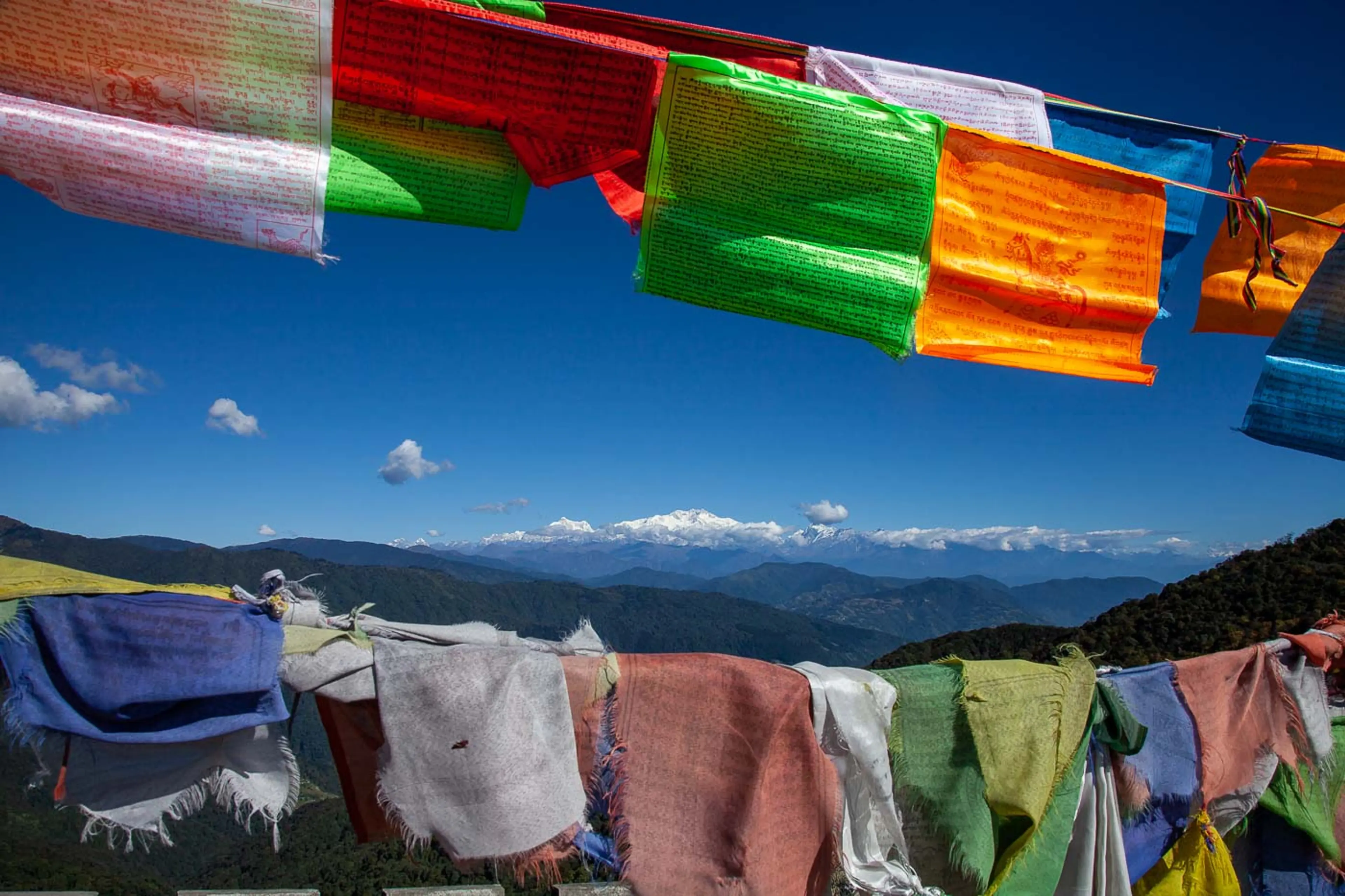
Sandakphu
Activities in Sandakphu
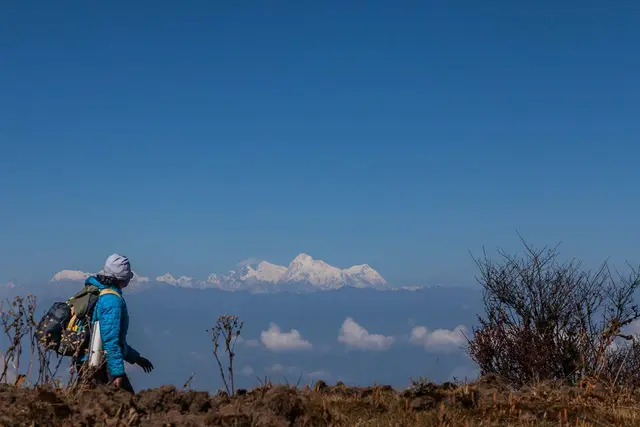
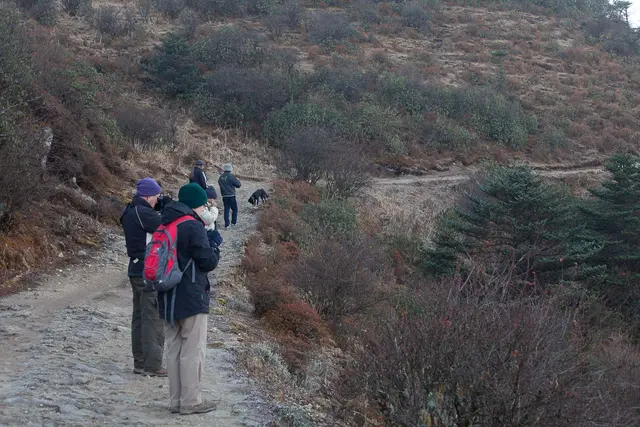
Trekking and Hiking - The Sandakphu trek offers multiple hiking options with varying difficulty levels, ranging from easy walks to physically demanding high-altitude routes. The most classic and popular hiking route begins at Maneybhanjang, located at an altitude of 7,000 feet. This small market town marks the official base for the Sandakphu trek from Darjeeling and the entry point to Singalila National Park.MORE
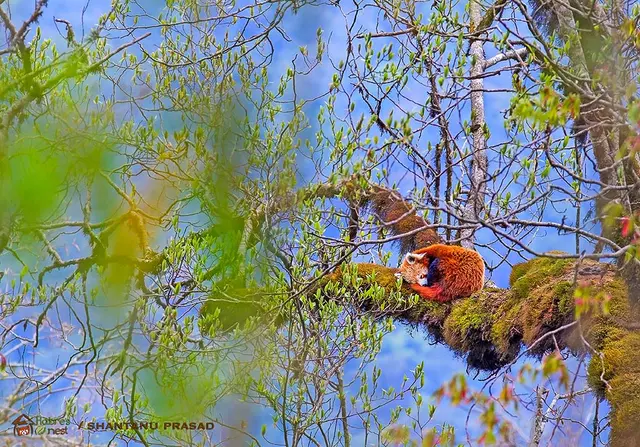
Red Panda Tour - Beyond its spectacular birds and landscapes, Singalila National Park is one of the very few places in the wild where the elusive Red Panda can still be seen in its natural habitat of bamboo and rhododendron forests. The park currently supports a population of approximately 35 Red Pandas, making it a critical conservation zone within Sandakphu trekking India.MORE
Bird Watching in Singalila - In addition to dramatic mountain scenery, Singalila National Park is renowned for its extraordinary birdlife. The forests here are a true treasure trove for bird watchers, with more than 350 recorded bird species concentrated within this relatively small protected area along the Sandakphu trek route.MORE
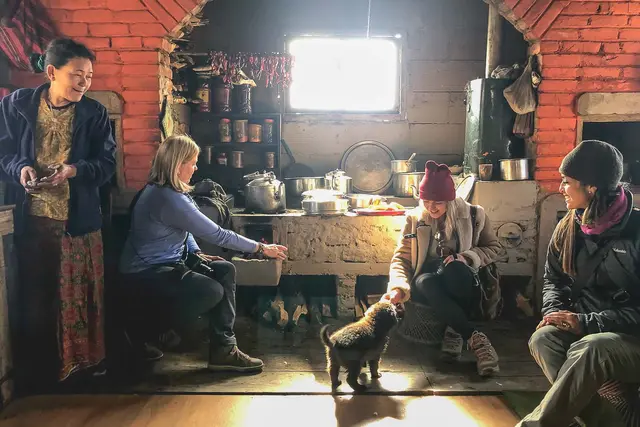
Village Life - Unlike many Himalayan treks that pass exclusively through wilderness with minimal human presence, the Sandakphu trek stands out for how human settlement enhances the overall experience. Along the route, trekkers encounter numerous small villages, most of them located on the Nepal side of the ridge.MORE

Night sky - In most trekking destinations, nights are quiet and uneventful, with trekkers retreating indoors due to cold and fatigue. Singalila, however, offers an extraordinary exception for those willing to brave the chill. Owing to its high elevation and complete absence of urban light pollution, the region provides exceptional conditions for night-sky observation.MORE
Attractions in Sandakphu
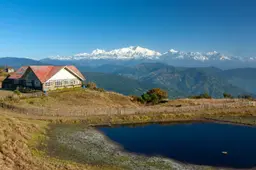
Tonglu & Tumling
Tonglu and Tumling are often described as twin sisters within Singalila National Park. Although an international border between India and Nepal separates them politically, the two locations lie side by side, sharing the same dramatic mountain landscape, climate, terrain, and local culture. This unique positioning makes Tonglu and Tumling an essential early highlight of the Sandakphu trek.
Read More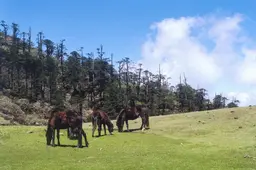
Phalut
Phalut is technically the second-highest point in Bengal, with only a few metres separating it from Sandakphu, the highest point. This marginal difference does not diminish its appeal; in fact, Phalut is often considered to offer even finer Himalayan views than Sandakphu itself. The hilltop feels strikingly isolated, drawing your gaze across endless layers of hills and valleys wrapped in clouds and mist, gradually leading the eye toward the highest mountains on Earth.
Read More
Gairibas
While Tonglu, Tumling, and Sandakphu are best known for their panoramic mountain views, Gairibas is celebrated for its vibrant and largely untouched forest environment. Located at an altitude of about 8,500 feet in the core zone of Singalila National Park, Gairibas plays a crucial role in Red Panda conservation and ecological preservation along the Sandakphu trek from Darjeeling.
Read More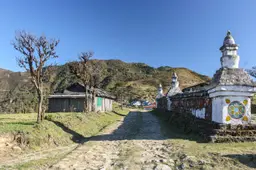
Kalepokhri
Kalepokhri—literally meaning “black pond”—is a small village located on the Nepal side of the border, consisting of only a few households and a homestay catering to trekkers. Kalepokhri serves as a convenient overnight stop for hikers who prefer not to complete the full 20-kilometre stretch between Tumling and Sandakphu in a single day.
Read More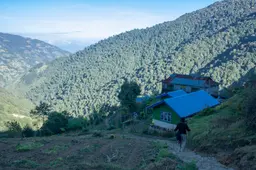
Gorkhey
A steep descent from Phalut Top leads to Gorkhey, a picturesque village located on the Bengal–Sikkim border and separated by a gently meandering stream. At just over 2,200 metres in altitude, Gorkhey remains tucked away within a peaceful valley surrounded by pine forests. Its mild climate, tranquil atmosphere, and small cluster of village huts create a scene often compared to a serene fairy-tale hideout in the Swiss Alps.
Read More