Lachen North Sikkim

Lachen

The Land of the Nomads
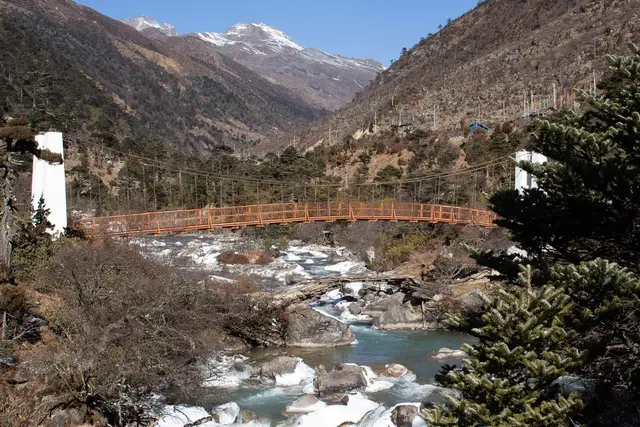
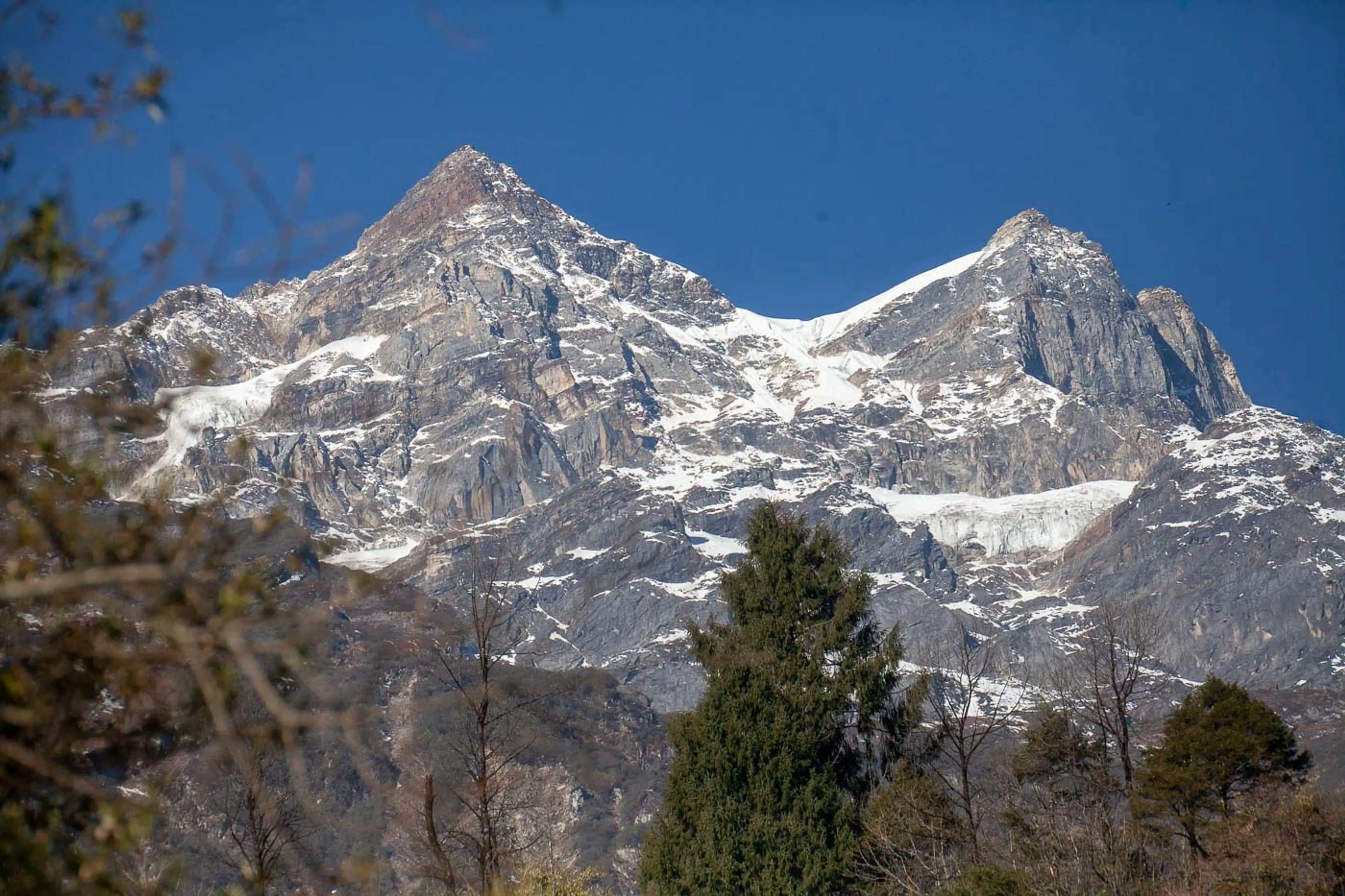
Lachen is a remote Himalayan village where a small monastery, rare alpine flowers, cardamom planters, and yak herders collectively shape the landscape. Snow, shade, and changing light define this high-altitude settlement, which lies at the heart of North Sikkim’s trans-Himalayan terrain. Lachen serves as an important base for exploring elevated plateaus, glaciers, and the alpine lake of Gurudongmar Lake at approximately 16,500 feet. Along the route lies Thangu, recognised as the highest village in Sikkim and home to nomadic Tibeto-Bhutia communities.
"Far to the northward of the snowy Himalaya on a lofty plateau, whose plants and animals are different from anything I had previously seen." Described Joseph Dalton Hooker, a British Naturalist-cum-Explorer, who was the pioneer to undertake an extensive study in Lachen Plateau during the mid-nineteenth century. According to Dr Hooker, Lachen is "An incredibly limited area buried in the depths of the Himalayas presents nearly all the types of the flora of the north temperate zone".
Lachen is both a remote village in North Sikkim and a winter home for Tibetan nomadic tribes, set against a backdrop of towering snow peaks, alpine flower valleys, and expansive plateaus. Its location makes it a strategic base for journeys toward Gurudongmar Lake and for trekking routes leading to Green Lake at the foot of Mount Kanchenjunga.
Spanning elevations from approximately 2,000 metres to over 7,000 metres, and extending across the trans-Himalayan belt toward the Tibetan Plateau, Lachen supports exceptional biodiversity alongside dramatic terrain. The village is home to a few thousand Lachen-Pa people and the nomadic Dokpa community, whose livelihoods have long centred on pastoral cultivation and yak herding. Their cultural traditions, belief systems, and ecological knowledge form a living example of high-altitude Himalayan society.
Lachen’s inclusion in organised travel circuits is relatively recent. Before 2000, the village remained largely unknown to travellers, although it drew early scientific explorers as far back as the mid-nineteenth century. Dr Hooker and Dr Sanders conducted pioneering studies of flora and fauna here, while Alexandra David-Neel, the Belgian-French explorer, became the first woman to enter Tibet in 1942 via Lachen.

Activities in Lachen

Hike to David Neel's Cave 
  • Hike to David Neel's Cave  - A day hike to Alexandra David-Neel’s Cave begins in Lachen and passes through Kalep, a small hamlet, before ascending on a two-hour uphill trail to Dewthang. Along the route, alpine flowers such as primula and the rare blue poppy dominate the landscape, easing the physical challenge of the climb.MORE
Birding in Lachen
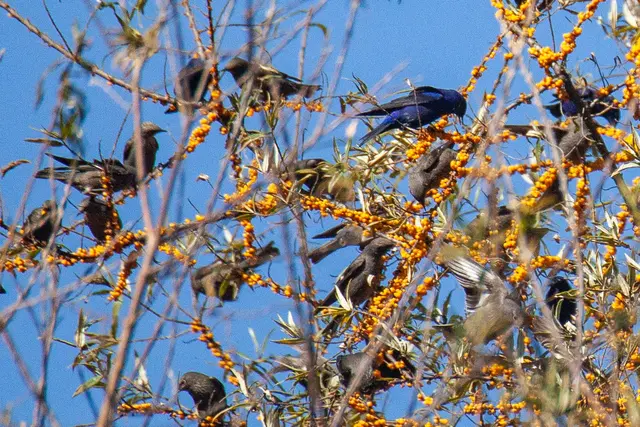
  • Birding in Lachen - Lachen and its surrounding valleys fall within the Kanchenjunga Biosphere conservation zone and are recognized as an Important Bird Area (IBA). The region’s varied vegetation, ranging from sub-tropical to sub-alpine forests, supports a wide diversity of birdlife across altitude zones.MORE
Village Experience
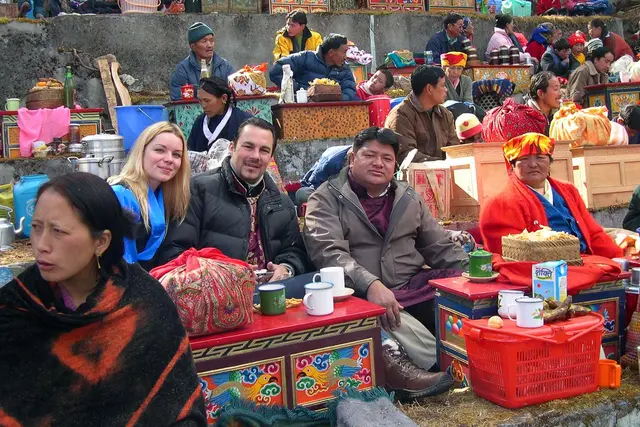
  • Village Experience - Lachen is a restricted area in Sikkim that forbids any outsider from coming to settle in the village. Lachen’s uniqueness lies in its exemplary traditional operating system. All villages in Lachen and its surrounding areas are governed by Dzumsa, a traditional Tribal body that preserves cultural identity through tribal self-governance. Predominantly represented by the Lachen-Pa Tribe, the Dzumsa body in Lachen practices its unique traditions with the aim of retaining social, cultural, economic, and political characteristics distinct from other dominant societies in cities and villages across Sikkim.MORE
Excursions
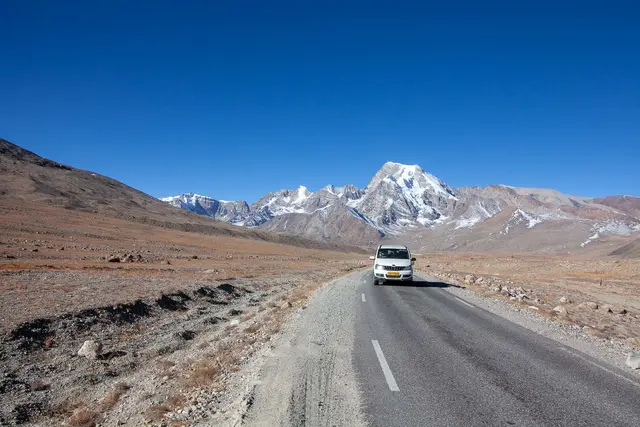
  • Excursions - Bestowed with immense natural beauty, Lachen is an ideal base for many exciting excursions. A stunning journey to High Altitude Gurudongmar Lake at 5150 Meters, the last village of Nomad Yak Herders in the Tibetan Frontier, Thangu at 4000 metres, and the colourful Chopta Valley are some of the day excursions originate from Lachen. A combined excursion with all these three places can be a memorable experience. However, Gurudongmar Lake, being a highly sensitive area, is still restricted for foreigners' visits, who may limit their journey to Thangu and Chopta Valley at this moment. MORE
Trekking and day walk
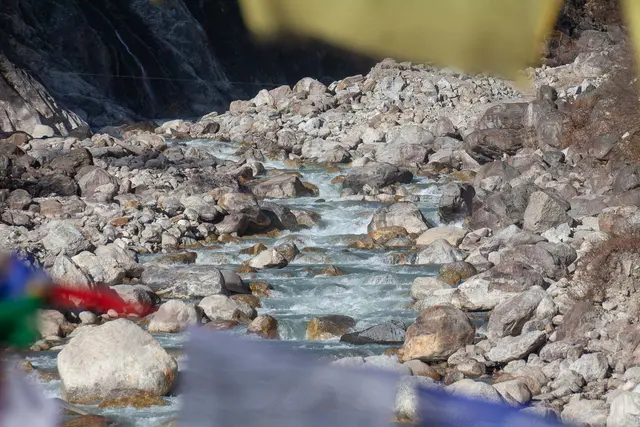
  • Trekking and day walk - Several long & short duration impressive treks, which lead to the higher mountains and plateau of Trans-Himalaya, originate from Lachen. A fascinating Green Lake trek to Mt Kanchenjunga's base – the third highest mountain in the world is the most important one, which takes about ten days. MORE


Attractions in Lachen
  • Alexandra David Neel's Cave

    Alexandra David-Neel’s Cave holds deep historical and spiritual significance in Sikkim. Positioned high on a steep mountain slope and accessible only via an uphill trek from Lachen, the cave remains removed from the area’s main tourist routes.

    Read More
  • Lachen Monastery

    Lachen Monastery, belonging to the Nyingma sect of Tibetan Buddhism, was established in 1854 and remains the most important religious centre for the local community. Built using mud and stone, the monastery was founded by Gelong Gonpu, who travelled from Solo Khombu in Nepal and resided in Lachen for three years.

    Read More

Hotels and Stays


Enquiry

Guests

Adults
Child

Rooms

Single
Double
Triple

Accommodation Standard

Expected Budget range for the whole tour

Preferred Destinations

--OR--

Contact ID

Packages


Nearby Places

Connectivity

Lachen is mainly accessible by road. However, a special arrangement for a helicopter charter is also possible. Gangtok – the capital of Sikkim, is 125 kilometres from here and takes about 5 hours. The headquarters of Lachen is Mangan, which lies at a distance of 50 kilometres south of Gangtok. The journey by the deep grudge of Tista River, with densely forested hills and valleys, is fascinating.


Location of Lachen

Image Gallery