
Kolkata
Activities in Kolkata
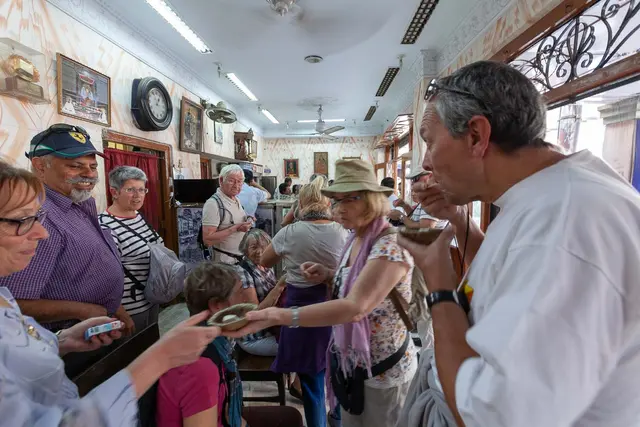
Food Exploration in Kolkata - Is it only Italians who love to experiment with spaghetti and pizzas? Or, if you believe that it is the French and Mexicans who truly have a taste for delicate and varied preparations, then visit Kolkata once to break that myth through direct experience. During this food exploration in Kolkata, we explain why Bengali food is often considered superior to many other culinary traditions, and we also explain why Bengali cuisine is perhaps the only one of its kind that cannot be authentically replicated anywhere outside Bengal.MORE
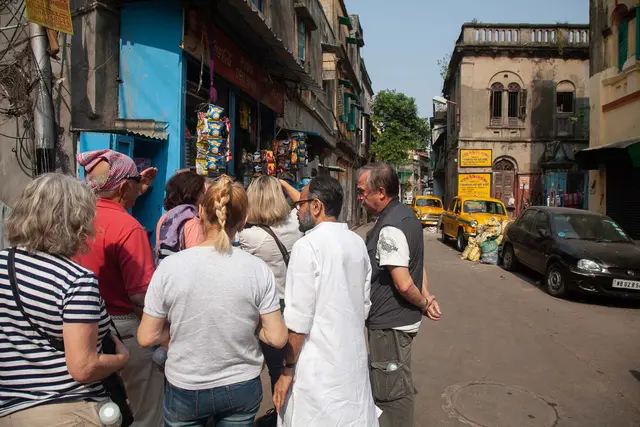
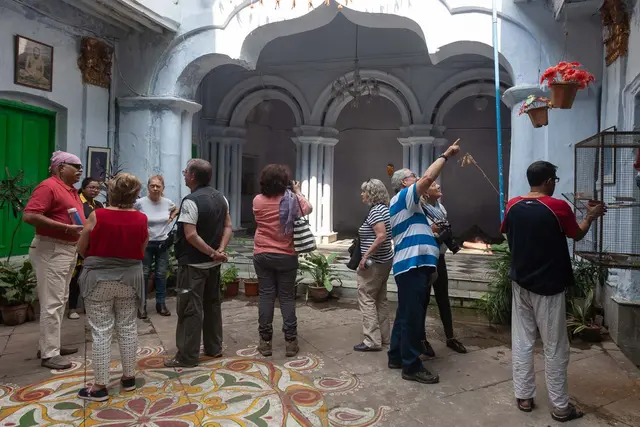
Walking with a Story-Teller - Walking along one of the oldest roads of Kolkata allows you to feel how this laid-back part of the city continues to breathe in its own rhythm. Each nook and cranny of the neighbourhood quietly whispers a story, but none of these stories have been constructed to impress or amaze a tourist visiting Kolkata.MORE
Local Home Hosted Lunch and Food Story - To understand Kolkattan food more deeply, we offer a uniquely personal experience. You are taken into the home of an intellectual Bengali family, where you spend meaningful time with your hosts and participate in an open dialogue about the food traditions and layered history of Bengal and Kolkata.MORE
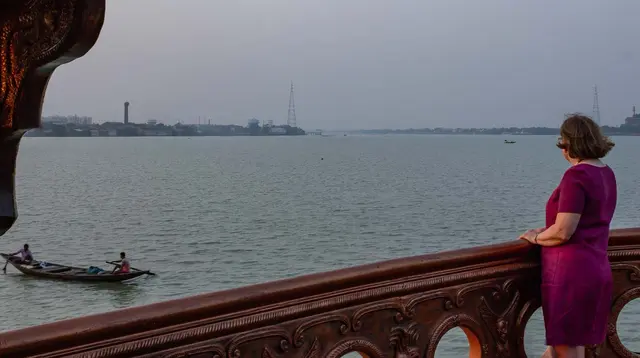
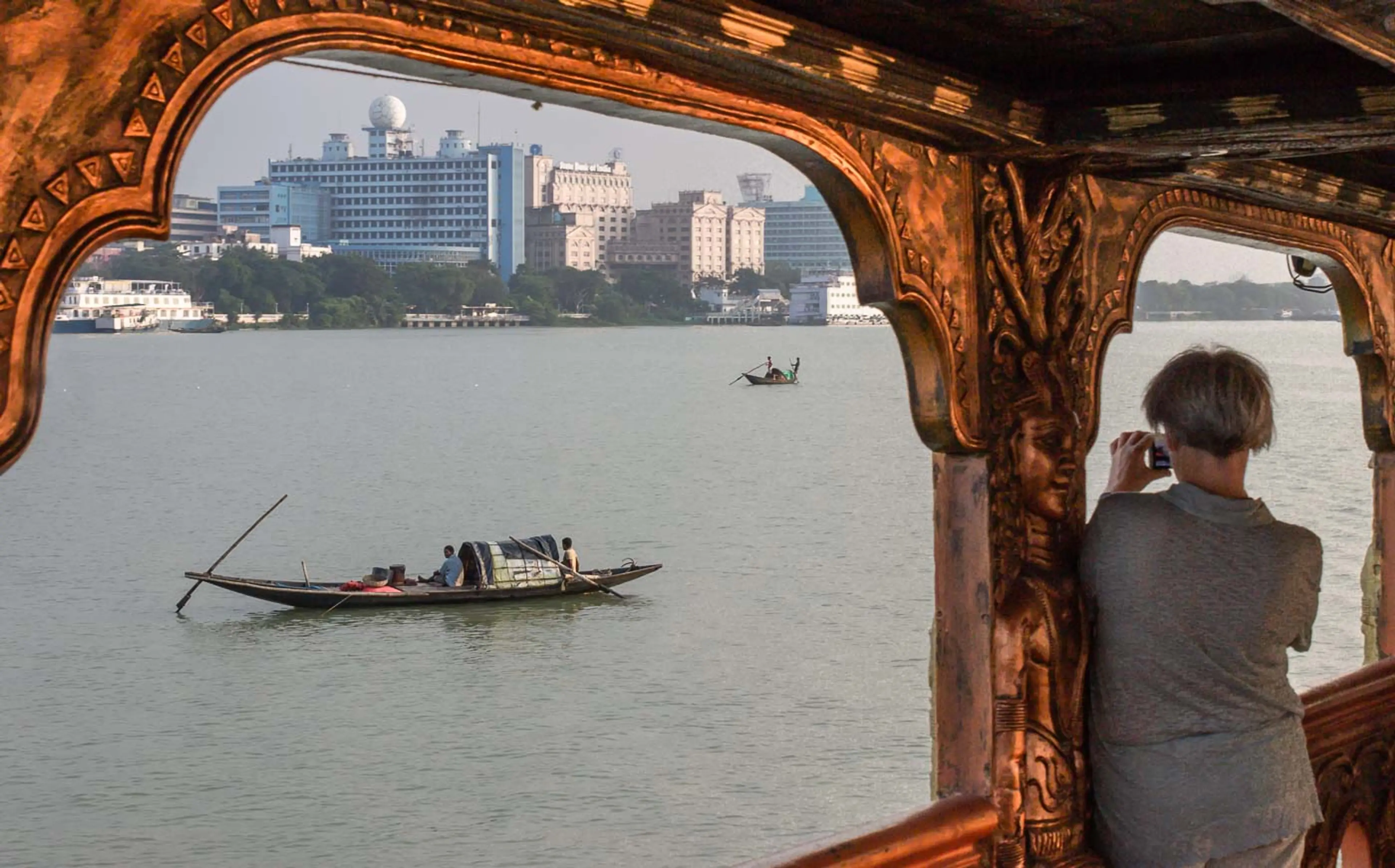
Cruise along the Ganges - After a hectic day exploring the city, spend a relaxed and refreshing evening aboard a boat as you float leisurely along the mighty and holy Ganges. Resting on the deck, you watch the Kolkata skyline gradually change on both sides of the river as the city transitions into evening. A three-hour cruise begins from the Kolkata Jetty and takes you toward the historic temple town of Belur, where you may also participate in their special evening prayers.MORE
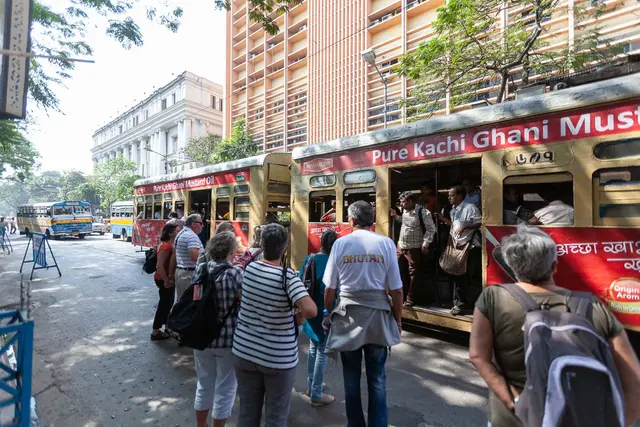
Herirage Tram Ride - A visit to the heritage city of Kolkata is always considered incomplete without experiencing its vintage tram ride. The tram service began in 1873 and has faithfully served the people of Kolkata ever since, gradually earning heritage status in the process. Despite witnessing many upheavals over time, the tram system has managed to continue its journey smoothly through the city’s evolving landscape. MORE
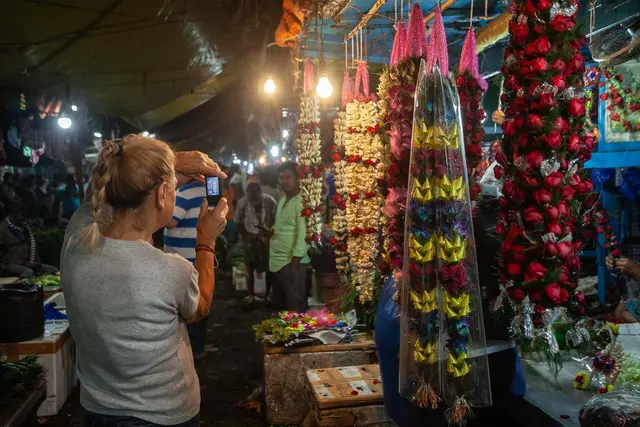
Street Photography Tour - Stepping onto the streets with a camera hanging from your shoulder often feels like two close friends setting out together to capture and experience the essence of photography. For a street photography tour, Kolkata stands out as one of India’s metro cities that offers both an enriching vacation and a strong learning experience.MORE
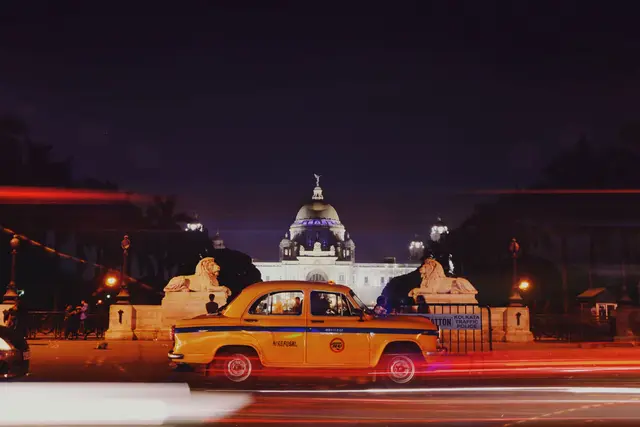
Night Life of Kolkata - What comes alive when the light fades away is a city that feels more mysterious, open, and real. Like any individual unwinding after a long day, Kolkata gradually relaxes as evening sets in. Exploring the nightlife of an unfamiliar city often brings unexpected candid moments, where both the place and its people appear more exposed and genuine.MORE
Shopping in Kolkata - Leaving behind the adolescent days of buying identical clothes for siblings or collecting small knickknacks from nearby melas and fairs, shopping in Kolkata today reflects a more mature and varied experience. With a wide range of shopping destinations available, the city offers shoppers an impressive selection of traditional clothing, ornaments, accessories, and ethnic décor items.MORE
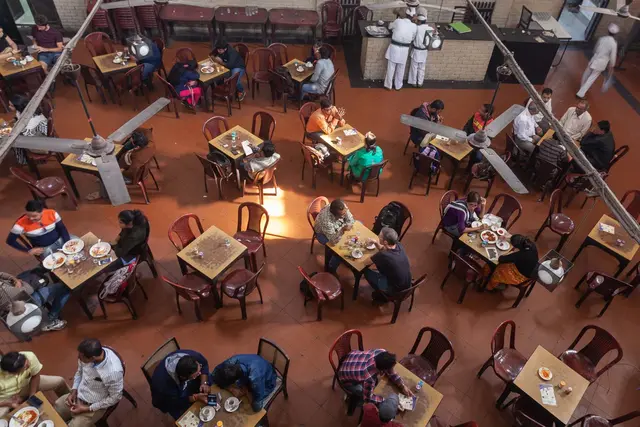
Shows, Exhibitions and Musical Nights - Popularly known as the cultural capital of India, Kolkata hosts exhibitions, shows, fairs, and festivals on an almost daily basis. Cultural activity remains deeply woven into the city’s everyday life.MORE
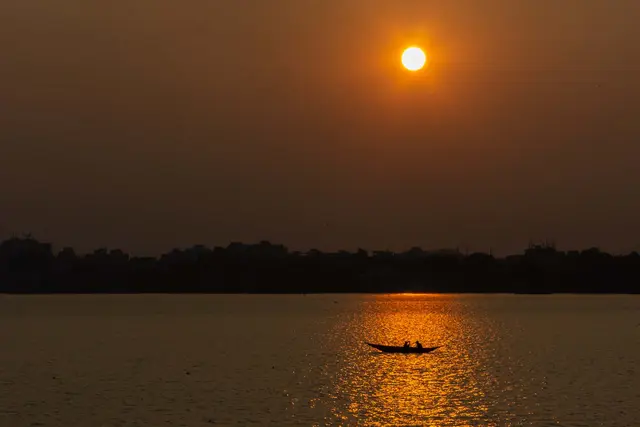
Excursions - Explorers have long been drawn to destinations rich in historic architecture, layered events of the past, or natural surroundings that offer peace while remaining close to a major metropolis. Kolkata is surrounded by numerous such destinations. A drive of just two or three hours through the countryside presents a striking contrast to the bustling city. Whether it is a village of painters, an ancient temple in a remote corner, the world’s largest mangrove system, or a serene seashore, Kolkata offers access to all of these. Accompanied by a knowledgeable guide, visitors can explore rural Bengal and gain insight into its distinctive cultural history.
Attractions in Kolkata
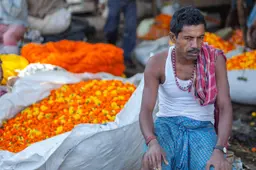
Flower Market
Spring or not, Howrah Flower Market in Kolkata always has buckets full of flowers of almost all sorts, making it one of the most vibrant sights in Kolkata tourism. This market is said to be India’s largest and oldest flower market, and its scale becomes immediately apparent on arrival. Tucked away under the eastern end of the Howrah Bridge, you will find bursting colours accompanied by the constant hustling noise of hurried hawkers and buyers, forming a lively introduction to Kolkata sightseeing.
Read More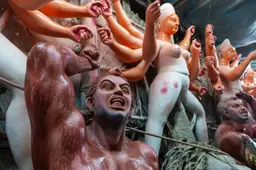
Potters' Village (Kumortui)
Narrow lanes fill a part of North Kolkata, and as you pass through one such lane, the rustic smell of wet clay immediately draws your attention. You find yourself in a wonderland where the gods and goddesses of Bengalis are given face and form, making this one of the most culturally rich places to visit in Kolkata. The artisans here, known as Kumor or potters, have been creating clay idols for festivals across Bengal with ardour and allegiance for generations.
Read More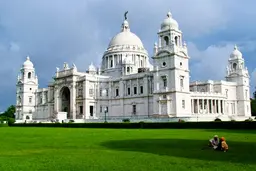
Victoria Memorial
In Kolkata, the marriage between art and architecture has long been successful, even before the British Raj, and this harmony finds one of its finest expressions at Victoria Memorial. As you walk along the pavement lining Queen’s Road, you come across a gate guarded by two giant lion statues, with a Taj Mahal–like marble mansion gradually appearing in the distance, confirming that you are standing before the historic Victoria Memorial.
Read More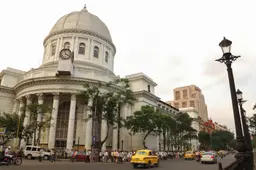
Indian Museum
India is blessed with an unusual combination of cultures, languages, and people from different regions, and over the years this diversity has enriched the collections of its museums. The Indian Museum stands as both a curator’s paradise and a layperson’s source of entertainment, offering a splendid place to spend several hours exploring the country’s mesmerising history, with artefacts that can occupy an entire day of discovery.
Read More
Jorasanko Thakur Bari
Bengalis are sentimental about two things: evening tea and Rabindranath Tagore. For this reason, the Nobel laureate’s ancestral house, known as Jorasanko Thakur Bari, holds the status of a sacred shrine for Bengalis. Situated in North Kolkata, this is the place where Rabindranath Tagore and his ancestors lived, and it has now been transformed into a museum known as the Rabindra Bharati Museum, where visitors can explore the detailed history of the Tagore family.
Read More
Botanical Garden
Are you a plant lover, or do you enjoy spending time among trees? The Botanical Garden situated in Howrah, near Kolkata, is precisely the place you may be searching for. This garden is home to the Great Banyan Tree, considered the most massive tree in the world, nearly 250 years old, along with a vast range of other plant species. Every year, millions of visitors arrive to see the Great Banyan Tree, which now resembles a miniature forest supported by approximately 2,800 prop roots.
Read MoreDakshineswar Kali Temple
In Kolkata, Rani Rashmoni Devi built the Dakshineswar Kali Temple in the year 1885. It is believed that she was guided by a vision instructing her to build a temple dedicated to Goddess Kali. Situated on the banks of the Hooghly River, the temple’s location and architecture leave a strong impression, following Bengal’s traditional architectural style with nine spires, known as Nava Ratna.
Read More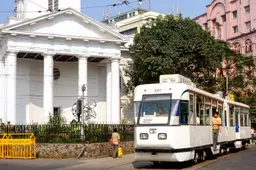
Dalhousie Square(B.B.D Bagh)
Kolkata’s history is scattered throughout its streets and buildings, and Dalhousie Square, now known as B.B.D Bagh, is one such area shaped during the British era and still functioning as a major working hub of the city. This area once housed the Currency Office and the General Post Office of the East India Company.
Read More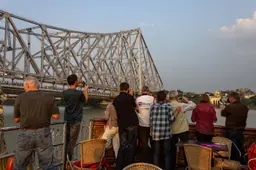
Howrah Bridge
Howrah Bridge is the perfect example of a marriage between art and architecture, glorifying its sheer beauty and stoutness.
Read More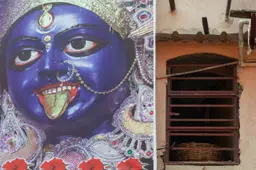
Kalighat Temple
In India, temples carry the symbol of cultural heritage and history and endless myths associated with them. Most of them associate themselves with a puranic (mythological) tale; the Kalighat Temple of Kolkata is no exception. The Kalighat Temple, situated in Kolkata, has myths and stories related to it and has a distinct style of painting owing its name to the place, the famous and infamous Kalighat paintings or Bazaar paintings.
Read More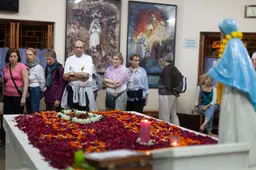
Mother's House
Most people grow up knowing Mother Teresa through photographs or schoolbooks. But Kolkata was the city where she lived for a significant part of her life. She devoted her time to serving the “poorest of the poor,” leading to the creation of more than 4,000 sisters and brothers working together to support the unloved and uncared-for.
Read More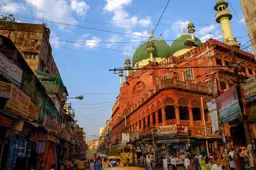
Nakhoda Mosque
North Kolkata's hawkers and shoppers invaded streets and lanes adding an odd charm of melancholic, rusty oldness to them. Content with the worn out, tired buildings keep their heads up on the sides of these streets. Through these exhausted buildings peep the red sandstone minarets of the Nakhoda Mosque carrying the Mughals' pride in its domes.
Read More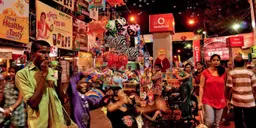
New Market
Bengalis are known for their passion for food and Rabindra Sangeet, along with tea, rickshaw rides, and trams, and all of these threads lead naturally toward the Lindsay Street area of Kolkata. Here, New Market stands as one of the city’s most prominent shopping destinations.
Read More