
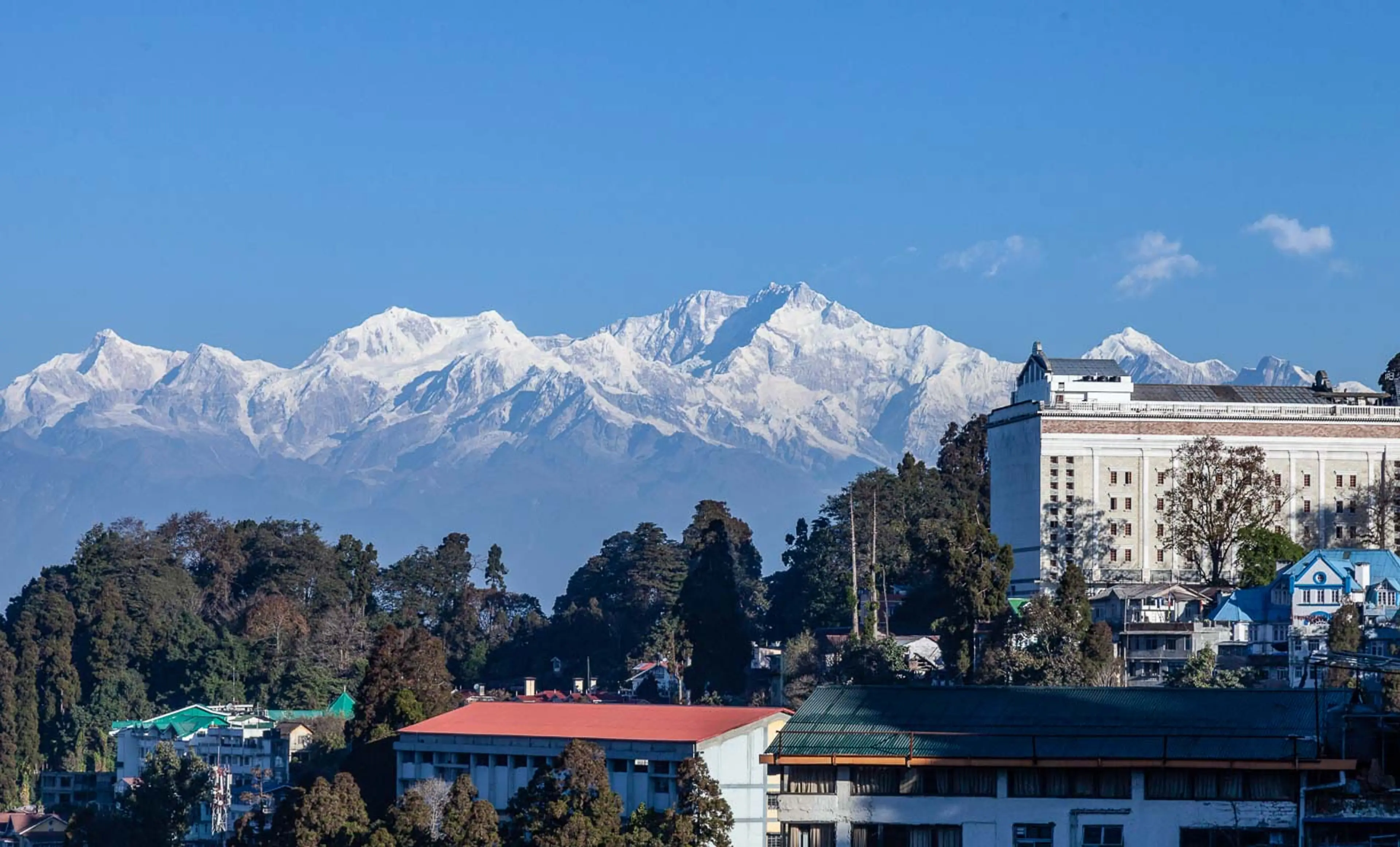
Darjeeling
Activities in Darjeeling
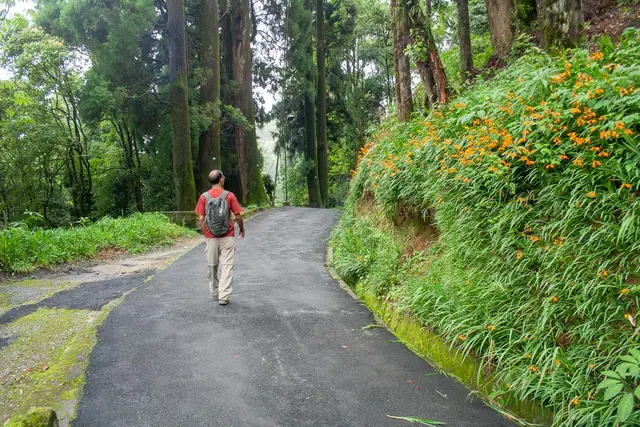
Day walks from Darjeeling. - Unlike in Nepal, most of the walking trails around Darjeeling run along well-paved roads, where trekking boots are not necessary and a pair of comfortable walking shoes will easily serve the purpose. These gentle day walks from the Darjeeling hill station often pass through scenic tea estates, opening up to gorgeous views of Mt Kanchenjunga that define the visual rhythm of Darjeeling sightseeing.MORE
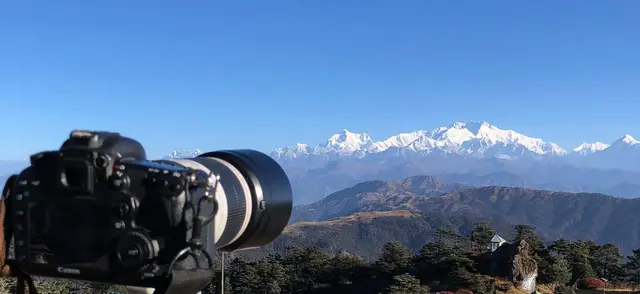
Photography tour in Darjeeling - A photography tour in Darjeeling is often filled with unexpected and beautiful surprises. From the dramatic early-morning light at Tiger Hill to the constant movement along Mall Road, every corner of the town offers visual stories waiting to be captured. Tea-plucking women in their traditional attire, quiet Buddhist monasteries, and monks going about their daily rituals all contribute to why Darjeeling remains one of the most visited tourist destinations in West Bengal.MORE
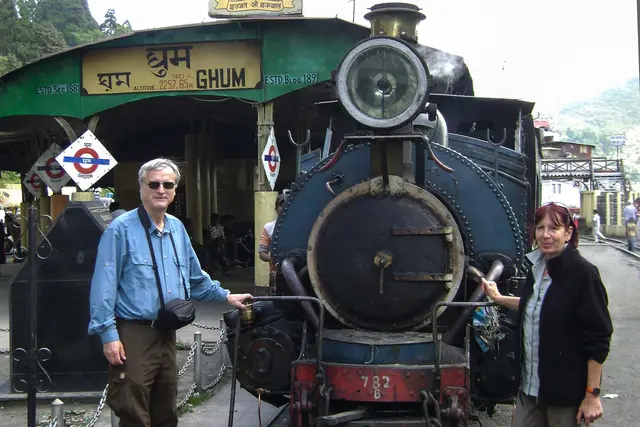
Heritage Steam Train Ride - A fascinating heritage journey of approximately two hours begins from Darjeeling at 10 AM and takes you to Ghum, the highest railway station in India at 2,200 metres (7,400 ft). The ride offers a unique experience as the train slowly snakes through the town, brushing past small market shops and villages before arriving at the picturesque Batasia Loop for sweeping mountain views.MORE
_1678641544547.JPG&width=640&quality=75 "Common city tour")
Common city tour - A popular city day tour in Darjeeling typically takes about three to four hours and covers the most important tourist attractions within the town. The tour usually begins with visits to the Himalayan Zoological Park and the Himalayan Mountaineering Institute, both located on the same premises and central to Darjeeling sightseeing.MORE
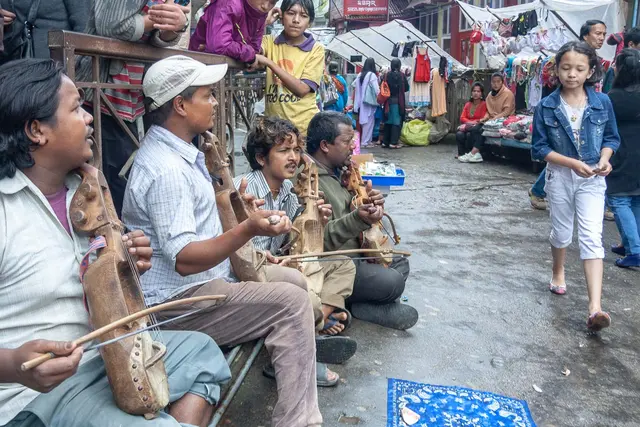
City Walking tour - The best way to explore the city of Darjeeling is undoubtedly on foot. Walking with a guide through the lanes and by-lanes allows you to encounter the uncommon faces and everyday scenes that define the town beyond tourism. During the walk, you are introduced to the most important landmarks and taken into local markets where Darjeeling’s real life continues unaffected by visitor movement.MORE
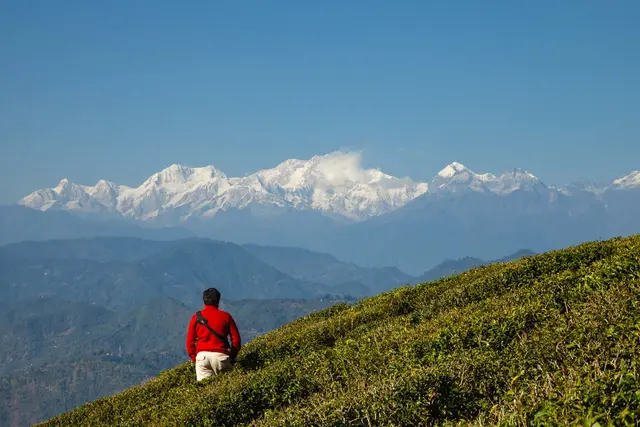
Tea garden tour - Darjeeling is known worldwide for its high-quality orthodox tea, and a guided tea garden tour offers first-hand insight into this heritage. During the tour, you learn about the different processes the tea leaf passes through before reaching your morning cup, making this experience central to Darjeeling tourism.MORE

Day Excursions - Darjeeling offers numerous options for full-day excursions, with several small hill stations surrounding the town known for their charm and scenery. Mirik, located about 50 km from Darjeeling, is a particularly popular day excursion. The drive, which takes approximately 2.5 hours, is itself a highlight, passing through rolling tea gardens and pine forests along the Indo-Nepal border.MORE

Day Birding Tour - The hills around Darjeeling provide excellent opportunities for bird-watching combined with photography. Day excursions into surrounding forests and hill trails occupy the entire day with rewarding birding experiences. Leaving early from the hotel, you are equipped with binoculars, camera, and bird guide, accompanied by an experienced bird guide-cum-spotter.MORE
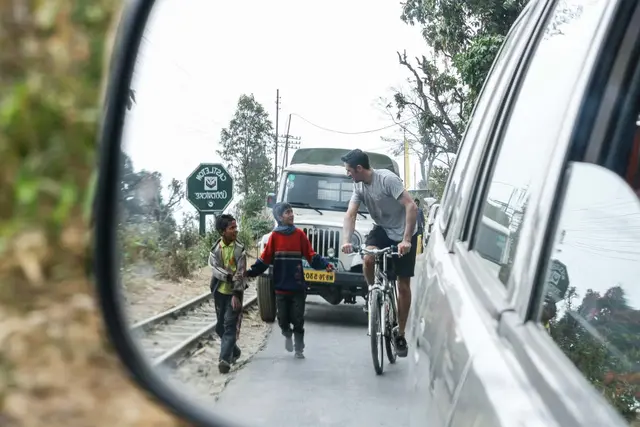
Day Biking tour - A day biking tour through the countryside surrounding Darjeeling offers a refreshing alternative to regular guided sightseeing. Riding away from the cityscape, you pass through winding valleys, lush tea gardens, tiny villages, forested stretches, streams, and terraced agricultural land.MORE
Camping Night out with hiking - For those wishing to step away from hotel comforts and experience real wilderness, camping in the Darjeeling hills offers an ideal arrangement. Spending the night under a star-filled sky on a highland pasture or a quiet hilltop brings a sense of freshness and solitude. You can hike around the campsite, enjoy sweeping mountain views, and watch a spectacular sunrise or sunset as serenity gradually settles in.MORE
Attractions in Darjeeling
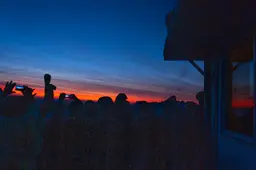
Tiger Hill
Tiger Hill is known for its heavenly sunrise view over the highest snow mountains of the Himalayan ranges and remains one of the most iconic places to visit in Darjeeling. Waking up as early as 3.30 AM, you step into the shivering morning cold, but braving it brings richly rewarding moments when the soft glow of the first sunray touches the snow peaks with a vivid splash of colours, slowly revealing the Himalayan skyline.
Read More
Yiga Choling Monastery
Popularly known as Ghoom Monastery, this Buddhist Gompa is situated near Ghoom Railway Station, about 8 km away from Darjeeling town. Constructed in 1875, the monastery belongs to the Yellow Sect of Gelugpa Buddhists and houses a rare and valuable collection of Buddhist scriptures and sacred images of Buddha, making it an important spiritual site in Darjeeling tourism.
Read More
Darjeeling Himalayan Rail
The charm of Darjeeling is never complete without a ride on the Himalayan Rail, popularly known as the Toy Train. The history of the Darjeeling Himalayan Railway dates back to 1881, when the first steam engine made its serpentine journey along the narrow-gauge track through moist forests and steep hill gradients to reach Darjeeling.
Read More
Himalayan Mountaineering Institute (HMI)
A few minutes’ walk from the Mall leads you to the Himalayan Mountaineering Institute (HMI), regarded as a climber’s pilgrimage and a key landmark in Darjeeling hill station life. The institute was established in 1954, inspired by the historic achievement of Tenzing Norgay and Edmond Hillary, who successfully scaled Mt Everest in 1953.
Read More
Himalayan Zoological Park
Located adjacent to the Himalayan Mountaineering Institute is the Padmaja Naidu Himalayan Zoological Park, one of the highest-altitude zoos in the world and a major highlight among Darjeeling attractions. The zoo houses a rare collection of high-altitude Himalayan species, including red panda, Siberian tiger, snow leopard, musk deer, and several flagship bird species native to the region.
Read More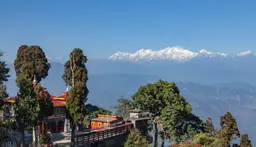
Bhutia Busty Monastery
A small yet historically important monastery belonging to the Red Sect of Buddhism is located about 1.5 km from the main Darjeeling town. Originally built in 1879, the monastery was destroyed during a Gurkha invasion in the 19th century.
Read More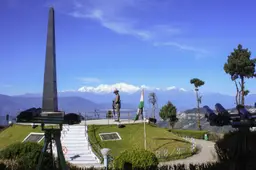
Batasia Loop and War Memorial
One of the prime Darjeeling attractions is the Batasia Loop, located on the Darjeeling Himalayan Railway track and constructed in the late 19th century by the British. The heritage steam rail experience in Darjeeling is considered incomplete without a visit to this engineering landmark.
Read More
Tibetan Refugee Self Help Centre
The Tibetan Refugee Self Help Centre is a significant historical and cultural site in Darjeeling, established in 1959 following the Dalai Lama’s escape from Tibet during a Chinese atrocity. Many of his followers also took shelter in Darjeeling during this period.
Read More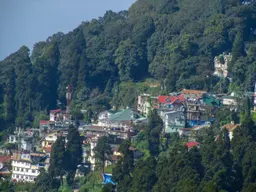
Observatory Hill
Observatory Hill is the highest point in Darjeeling’s city centre and is renowned for both its location and panoramic views. This square forms the heart of daily life in the town, with many important landmarks situated in and around the hill.
Read More
Llyod Botanical Garden
One of the oldest botanical gardens in the country, the Lloyd Botanical Garden was established in 1878 in Darjeeling and houses a distinctive collection of rare Himalayan plant species, including orchids, flowers, shrubs, herbs, and cacti.
Read More