
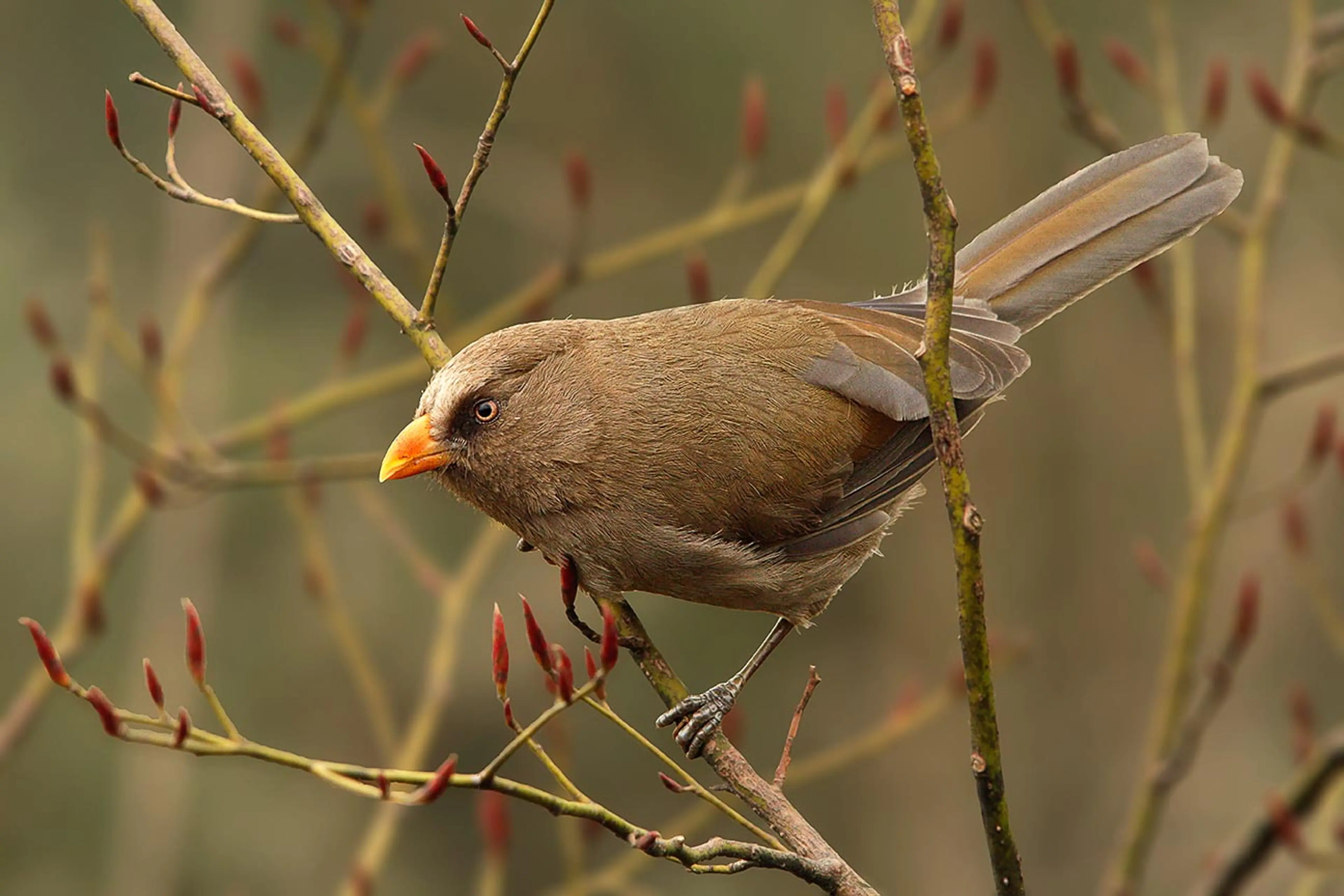
Feather Fantasy
From undefined/dayBirding trip in Hidden Neora Valley Hills
Highlights || Nature Walks & Hikes * Rural Experience * Bird Watching * Mountain view
Destination Covered || Kalimpong * Kolakham * Neora Valley
Introduction || Set deep within the forested landscape of Kolakham, this birdwatching Sikkim tour unfolds at the edge of the untouched wilderness of Neora Valley National Park, one of the most ecologically rich regions in the Eastern Himalayas. Positioned within a high-altitude forest zone, the experience is shaped by silence, dense vegetation, and a remarkable concentration of avian life, making it a significant destination for birdwatching in India.
The region is widely recognised among serious travellers for its proximity to diverse habitats that support a wide range of Himalayan bird species, many of which are rarely seen in more accessible locations. As part of a larger ecological corridor connected to the birds of North East India, Kolakham offers a rare opportunity to explore birding landscapes that remain largely undisturbed by mass tourism.
Early mornings in the forest reveal layered bird activity across canopy levels, where species such as Satyr Tragopan, Ward’s Trogon, and Red-headed Trogon move through dense foliage. This makes the region particularly valuable for travellers interested in documenting birds of Sikkim and understanding the distribution of birds found in Sikkim high altitude zones, where biodiversity shifts dramatically with elevation.
Birding Landscape & Habitat Depth||
Neora Valley National Park remains one of the least penetrated wilderness areas in India, offering an exceptional setting for birding in the Himalayas. Its terrain ranges from low subtropical zones to high-altitude temperate forests, creating layered ecosystems that sustain both common and rare species. This vertical ecological variation is what places the region among the most rewarding birding hotspots in India.
The forest composition includes rhododendron, oak, bamboo, and evergreen broadleaf species, all of which support a wide spectrum of rare birds of the Eastern Himalayas. These forests are not only rich in avifauna but also support wildlife such as the Red Panda, Himalayan Black Bear, and Clouded Leopard, adding depth to the overall nature experience beyond birdwatching.
Walking trails through these forests provide ideal conditions for slow observation, where movement, sound, and light play a critical role in spotting elusive species. For travellers seeking birdwatching Eastern Himalayas experiences, this region offers a balance between accessibility and ecological authenticity rarely found elsewhere in India.
Experience Flow & Exploration||
The journey begins with a transition from the plains of North Bengal into the hills of Kalimpong, gradually entering landscapes that lead into the dense forest belt of Kolakham. This gradual shift in terrain mirrors the ecological layering that defines the birdwatching Sikkim experience, where each elevation band introduces new species and habitats.
From Kolakham, exploration extends into the deeper zones of Neora Valley, combining jeep access with extended walking routes through forest interiors. Areas such as Zero Point and Choudapheri serve as key observation zones, known for sightings of species like Kalij Pheasant, Hill Partridge, and the rare Yellow-rumped Honeyguide. These locations contribute to the region’s reputation among those exploring where to see Himalayan birds in India.
The experience is designed around slow, immersive movement rather than fast-paced travel, allowing travellers to engage deeply with the forest environment. This approach aligns closely with the expectations of those seeking meaningful birdwatching tours in India, where observation quality takes precedence over itinerary density.
Seasonal Dynamics & Best Time||
The most favourable period for birdwatching in Sikkim within this region extends from November to May, when visibility conditions and bird activity levels align effectively. During spring, rhododendron forests bloom across the landscape, adding visual depth while also influencing bird movement patterns, making it an ideal time for observing high altitude bird species.
Winter months offer clearer skies and improved chances of spotting species across open forest stretches, while early summer transitions bring increased activity in breeding zones. These seasonal variations contribute to the region’s standing among the best bird watching places in India, particularly for those interested in understanding behavioural patterns across different ecological conditions.
Best Months || November to May
DAY 1|| Arrival at Bagdogra Airport and drive to Kalimpong
Nightstay at Kalimpong
Dinner included
DAY 2|| Transfer to Kolakham (Alt 6225Ft / 1875M) – 50kms in 2.5hrs
Nightstay at Kolakham
Breakfast , Lunch , Dinner included
Walking
DAY 3|| Full day exploration in Neora Valley – walking and bird watching
Nightstay at Kolakham
Breakfast , Lunch , Dinner included
Walking
DAY 4|| Another day at Neora Valley
Nightstay at Kolakham
Breakfast , Lunch , Dinner included
Walking
DAY 5|| Kolakham to Bagdogra – 120kms in 4.5hrs
Nightstay at | NA
Breakfast included
Enquiry
Guests
Adults
Child
Rooms
Single
Double
Triple
Accommodation Standard
Expected Budget range for the whole tour
Preferred Destinations