
Darjeeling 1

Classical Bengal Sikkim (iii)

From undefined/day
A popular cultural tour covering three major locations in Darjeeling and Sikkim
Highlights || City Tour * Monastery Visit * Local Market * Steam Train Ride * Tea Garden
Destination Covered || Darjeeling * Pelling * Gangtok
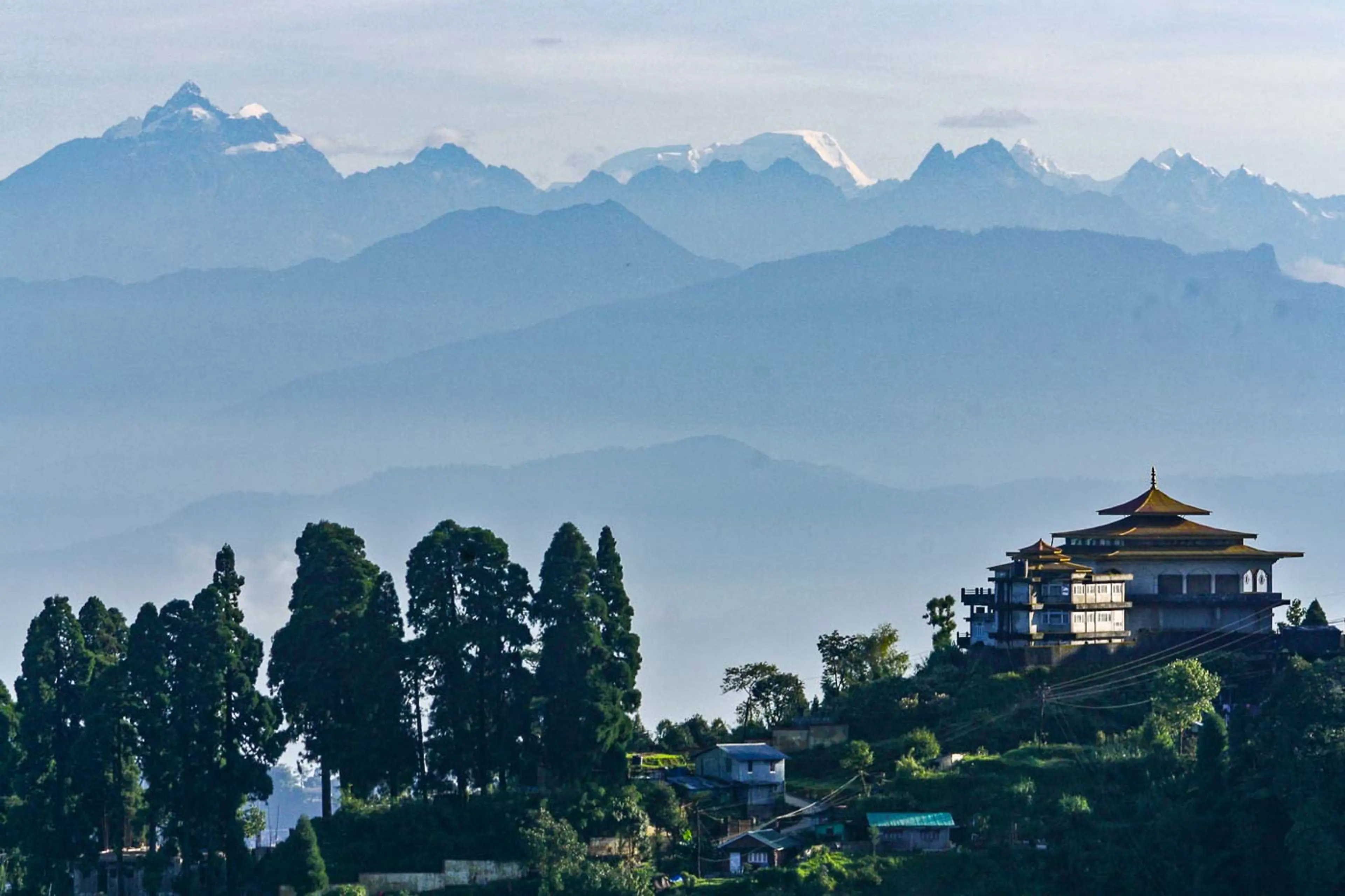
Introduction || The difference between a good Sikkim tour and a great one is often a single day — the day spent not rushing between cities but staying long enough in one place to understand it. This 7-day extended Darjeeling, Pelling and Gangtok tour is built around exactly that principle. The route is the same beloved three-destination circuit of North Bengal and West Sikkim, but the extra day in Pelling opens up a deeper, quieter, more historically resonant experience than any 6-day version of this journey can provide. For international travellers seeking a genuinely immersive classical Himalayan tour, the additional time here makes all the difference. Darjeeling opens the journey with its full range of iconic experiences across two unhurried days. The pre-dawn drive to Tiger Hill delivers the Kanchenjunga sunrise — the world's third-highest peak turning gold against the dawn sky in a panorama that remains one of the great natural spectacles of India. The 160-year-old Ghoom Monastery, the Mahakal Temple where Buddhist and Hindu worshippers have shared the same hilltop since 1768, and the vibrant Chowrasta Mall fill the morning hours. A visit to a working Darjeeling tea estate — tracing the delicate Darjeeling orthodox tea from the plucking of the two-leaves-and-a-bud through the factory to a tasting session of green, white, and black varieties — provides one of the most sensory and educational experiences on the entire tour. The Himalayan Mountaineering Institute, with its rare photographs of Tenzing Norgay's 1953 Everest ascent and George Mallory's earlier attempts, and the Padmaja Naidu Zoological Park — breeding ground for snow leopards and red pandas — add depth that rewards those arriving with curiosity. A morning joyride on the UNESCO-listed Darjeeling Himalayan Railway Toy Train, chugging through village markets and forested ridges to Ghoom station since 1878, closes the Darjeeling chapter on a note of living heritage before the journey turns toward West Sikkim. The drive to Pelling threads through the Peshok tea garden terraces and the forested Rangeet River valley, arriving at West Sikkim's most celebrated viewpoint destination with the Kanchenjunga massif filling the horizon at close, startling range. The first afternoon allows a walk to Pemayangtse Monastery — one of the oldest and most revered gompas in Sikkim, built over 300 years ago by Lama Lathsun Chempo of the Nyingmapa sect and commanding sweeping mountain views from its elevated hillside position. The Rabdentse ruins nearby — the atmospheric remains of the ancient second capital of the Choygal kingdom, set on a forested hilltop with valley and mountain views stretching to the horizon — speak quietly of a Sikkimese royal history that predates the arrival of tourism by centuries. The extra day in Pelling is where this tour distinguishes itself from every shorter itinerary. Khecheopalri Lake — one of the most sacred bodies of water in Sikkim, set in dense broadleaf forest at 1,700 metres between Yuksom and Pelling — is a place of profound stillness and spiritual atmosphere that few travellers make time to reach. Its name translates from Tibetan as "Palace of the Flying Meditating Deities," and the lake's foot-shaped outline, which local tradition holds to be the footstep of Buddha, is visible from the forested shore. The surrounding forest, considered sacred, is kept in a silence broken only by birdsong and the whisper of prayer flags. From here, the route continues to Yuksom village — the birthplace of the Sikkimese kingdom and one of the most historically significant sites in the entire state. In 1642, three learned monks from Tibet assembled in Yuksom and, at a ceremony in the forest at Norbugang, crowned the first Chogyal of Sikkim, establishing the Buddhist monarchy that would define the region for three centuries. The stone throne, the sacred spring, and the ancient Kathok Lake monastery remain at Yuksom today — a place of genuine historical weight in a setting of remarkable natural beauty that the vast majority of visitors to Pelling never reach. The drive from Pelling to Gangtok via Ravangla carries its own rewards. A detour to Samdruptse — a gigantic hilltop statue of Guru Padmasambhava, the founder of Tibetan Buddhism, visible for miles across the southern Sikkim landscape — provides one of the most dramatic pilgrim encounters on the route. The Temi Tea Estate, Sikkim's only tea garden, follows shortly after: a beautifully situated working estate in the Ravangla hills where high-quality orthodox Sikkim tea is produced in small batches and sold directly from the garden — one of the most distinctive and least-known stops on any North Bengal or Sikkim tour. The descent through the Tista River valley and arrival into Gangtok completes the journey's most scenic driving day. Gangtok closes the tour with its full Buddhist cultural and intellectual richness. The Institute of Tibetology — housing one of Asia's foremost collections of rare thangka paintings and ancient Buddhist texts — and the hilltop Enchey Monastery, whose pagoda-style architecture blends Tibetan and Chinese traditions in a setting above the city, provide the scholarly and spiritual depth that distinguishes a genuine cultural visit from standard sightseeing. Tashi View Point delivers a 360-degree panorama of Kanchenjunga and the Gangtok valley on clear days. The Cottage Industry and Handicraft Centre and the orchid-filled Flower Exhibition Centre add artisanal and natural texture. And for those drawn to the rhythms of everyday city life rather than tourist circuits, the Lal Bazaar — Gangtok's local market, busy with the city's working residents and closed to the usual tourist itineraries — offers an unguarded glimpse of ordinary Sikkimese urban life that the MG Marg, for all its liveliness, cannot replicate. Best experienced between October and April, this is a 7-day North Bengal and Sikkim tour that earns its extra day at every turn.
Best Months|| October to April


Enquiry

Guests

Adults
Child

Rooms

Single
Double
Triple

Accommodation Standard

Expected Budget range for the whole tour

Preferred Destinations

--OR--

Contact ID

Locations

Similar Packages