
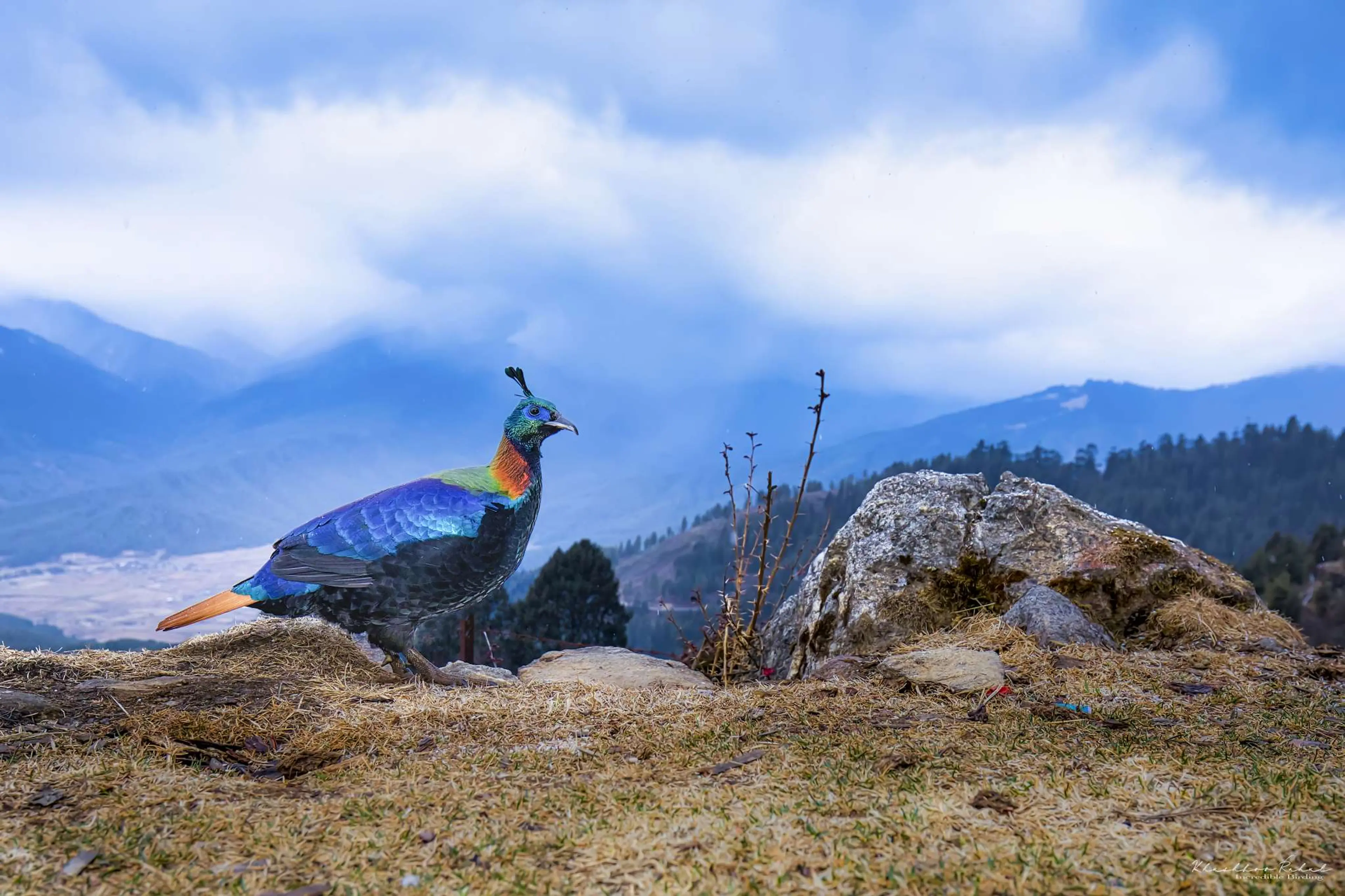
The Eastern Himalayas rise like an ancient cathedral of stone, forest, mist, and unbroken silence. Recognised globally as one of the world’s 36 biodiversity hotspots, this region shelters more than 10,000 plant species, over 300 mammals, and nearly 1,200 bird species. It is a living corridor where the alpine reaches of Sikkim flow into the tropical rainforests of Arunachal Pradesh and the fertile floodplains of Assam — forming the largest intact montane-to-rainforest belt in all of Asia.
These shifting landscapes are the heart of eastern himalayas wildlife, where rare mammals graze in shadowed forests, butterflies rise like petals on the wind, and birds cross continents to rest along tree-lined ridges. Cultural traditions blend seamlessly with ecological wisdom, giving visitors a chance to experience nature with reverence. Through eco tourism in the eastern himalayas, communities protect forests, share knowledge, and welcome travellers into a world where nature still shapes the rhythm of daily life.
Why the Eastern Himalayas Are a Wildlife Treasure
The Eastern Himalayas are home to some of the highest levels of endemism in Asia. These mountains represent the last stronghold for many species adapted to narrow ecological niches shaped by altitude, rainfall, temperature, and ancient migration routes. Every few hundred metres in elevation, the air shifts, the forest changes, and new species appear.
This immense variability forms the foundation of eastern himalayas wildlife, creating habitats for rare mammals such as the Snow Leopard, Clouded Leopard, and Red Panda, along with extraordinary birds ranging from high-altitude pheasants to rainforest hornbills. The region also lies within the broader Indo-Burma biodiversity hotspot, intensifying its global conservation value.
Wildlife Profile of the Eastern Himalayas
The wildlife richness of the Eastern Himalayas is exceptional because the region functions as a bridge between tropical Southeast Asia and the alpine ecosystems of Central Asia. This means creatures typically found in Southeast Asian rainforests — like the Hoolock Gibbon and Wreathed Hornbill — coexist with high-altitude specialists such as the Snow Leopard and Himalayan Monal. Nowhere else in India does such a dramatic faunal overlap occur.
This unique blend makes eastern himalayas wildlife one of the most ecologically complex zones in the world. The forests are also home to smaller mammals — flying squirrels, martens, civets, pikas, and voles — that sustain predator populations and keep the biodiversity web intact. Amphibian life is equally outstanding, with dozens of frog species adapted to cloud-drenched forests, mossy streams, and leaf-litter ecosystems — a richness widely studied for its high levels of endemism.
The region’s floral diversity supports this wildlife tapestry. Rhododendrons, magnolias, bamboos, orchids, and high-altitude medicinal plants create layered habitats that form natural sanctuaries. Such multidimensional ecosystems allow species from warmer climates and colder regimes to coexist, reinforcing why eco tourism in the eastern himalayas must be mindful, respectful, and guided by conservation principles.

Wildlife Profile of the Eastern Himalayas
|
Category |
Key Species |
|
Mammals |
Red Panda, Bhutan Takin, Snow Leopard, Asian Elephant, Clouded Leopard, Himalayan Black Bear, Hoolock Gibbon |
|
Birds |
Himalayan Monal, Satyr Tragopan, Ward’s Trogon, Great Hornbill, Wreathed Hornbill, Fire-tailed Myzornis |
|
Reptiles/Amphibians |
High amphibian endemism |
Why Birding Is Exceptional Here
Birding in the Eastern Himalayas is unmatched because the region sits at the confluence of two major migratory pathways — the Sino-Himalayan and Indo-China flyways — where thousands of birds arrive seasonally to breed, winter, or refuel. This results in an extraordinary flux of species: alpine pheasants descend to lower forests during harsh winters, while tropical flycatchers and warblers ascend during warm months.
The elevational range, spanning from below 200 metres in Assam to above 8,500 metres in Sikkim, increases habitat diversity exponentially. This gradient supports resident endemics like the Satyr Tragopan and Himalayan Monal while simultaneously providing seasonal shelter to migratory guests such as thrushes, buntings, and waterbirds. It is this interplay between altitude, climate, and migration that makes eastern himalayas birding one of the richest experiences in Asia.
Why Birding Is Exceptional in the Eastern Himalayas
|
Factor |
Details |
|
Species Richness |
1,200+ species |
|
Arunachal’s Contribution |
500+ species |
|
Migration Influence |
Indo-China & Central Asian flyways |
Wildlife & Birding in Sikkim
Sikkim rises like a carved emerald kingdom suspended between cloud and sunlight. The forests of this small Himalayan state breathe with astonishing richness, sheltering rare species in valleys where rivers weave through bamboo groves and ridges burst into rhododendron blooms every spring. Exploring wildlife in Sikkim feels like stepping inside a living, breathing sanctuary, where everything — from moss on tree trunks to the flight of a pheasant at dawn — tells a story of delicate ecological balance.
The state’s landscapes are defined by steep elevations. Within only a few hours of travel, travellers move from warm subtropical valleys to icy alpine slopes. This dramatic shift creates separate ecological worlds, each with its own wildlife cast. The ancient forests of Dzongu, Hee-Bermiok, Yuksom, Barsey, and the upper slopes of Pangolakha hold the highest densities of the himalayan red panda sikkim, making Sikkim one of the most important conservation strongholds for this species anywhere in the world.
For bird lovers, the region is a luminous tapestry. More than 550 bird species have been recorded across the state, making birdwatching in Sikkim an experience defined by colour, movement, and rare high-altitude sightings. From the bright blue nuthatches of temperate forests to the regal Himalayan Monal dancing across upper ridges, Sikkim remains one of South Asia’s most compelling birding landscapes.
Through community-led homestays, forest-guided birdwalks, and village-based conservation efforts, the state has become a pioneer in sustainable travel himalayas — redefining tourism as a form of ecological partnership.
Landscapes & Protected Areas of Sikkim
The protected areas of Sikkim form the heart of its ecological identity, each representing a distinct habitat zone shaped by altitude, rainfall, and forest type. These reserves capture the full spectrum of wildlife in Sikkim, from sub-tropical forests rich in orchids to wind-scoured ridges where snow leopards move like shadows.
Khangchendzonga National Park, stretching from valleys to Himalayan summits, is one of Earth’s most dramatic biospheres. Its forests weave together fir, oak, birch, juniper, alpine scrub, and glacial ecosystems. As travellers move through this park, they encounter the kbr national park wildlife range — Snow Leopard, Himalayan Musk Deer, Himalayan Tahr, and of course the Red Panda hidden in rhododendron thickets. The scale of elevation — from 1,220 metres to over 8,500 metres — creates corridors for species to migrate seasonally, ensuring resilient populations.
Pangolakha Wildlife Sanctuary forms another ecological treasure. Acting as a transboundary corridor with Bhutan and West Bengal, it allows genetic exchange for species such as Red Pandas, pheasants, and mid-altitude mammals. Its forests open into hidden lakes, bamboo patches, and silent ridges where travellers often experience some of the finest birdwatching in Sikkim.
Key Protected Areas of Sikkim
|
Protected Area |
Elevation / Habitat |
Notable Wildlife |
|
Khangchendzonga National Park |
1,220 m → >8,500 m; subtropical → alpine |
Snow Leopard, Musk Deer, Himalayan Tahr, Red Panda |
|
Pangolakha Wildlife Sanctuary |
Mid-altitude corridor linking Bhutan & WB |
Red Panda, pheasants, warblers |
Flagship Species & Birding Highlights
Sikkim’s flagship fauna are icons of mountain resilience and quiet beauty. The himalayan red panda sikkim population — concentrated in Dzongu, Barsey, Pangolakha, and parts of West Sikkim — thrives in dense bamboo undergrowth and cool moss forests. These areas provide the perfect combination of altitude, canopy density, and food availability. The presence of Serow, Goral, Himalayan Black Bear, and the elusive Clouded Leopard further signals the ecological purity of these forests.
For birders, Sikkim is an unfolding revelation. The forests seem painted with movement — minlas, laughingthrushes, warblers, babblers, and high-altitude pheasants. Alpine ridges hold the Himalayan Monal and Blood Pheasant, while mid-altitudes shelter rarity such as the Beautiful Nuthatch and the majestic Satyr Tragopan. Forest edges in spring shimmer with the iridescent feathers of the Fire-tailed Myzornis.
These species reinforce the state’s reputation as one of the most rewarding destinations for birdwatching in Sikkim. The diversity is supported by microhabitats that change sharply with elevation, creating ideal conditions for both migratory and endemic species to thrive. Villages such as Uttarey, Hee-Bermiok, and Rabongla have become major birding havens where community knowledge enhances the experience.
Low-Impact Travel in Sikkim
Low-impact tourism is woven into the cultural fabric of Sikkim. The state’s deep spiritual relationship with forests and mountains forms a natural foundation for sustainable travel himalayas and eco tourism in the eastern himalayas. This is evident in the way communities have embraced homestays, forest-guided walks, and conservation programs that protect wildlife while supporting local livelihoods.
In Dzongu, visitors stay in traditional Lepcha homestays where forest walks reveal everything from butterfly migration to hidden birding clearings. Barsey offers rhododendron trails that burst into colour each spring, attracting both trekkers and birders. Around Yuksom and the Yambong–Dzongri trail, travellers find high-altitude zones rich in wildlife in Sikkim, including Himalayan Tahr, pheasants, and glacial-adapted birds.

The state encourages small-group travel, minimal-waste trekking, and the use of local guides who understand wildlife behaviour. These practices preserve sensitive habitats and ensure that the presence of travellers contributes positively. Whether it is spotting the himalayan red panda sikkim, listening to the alpine calls of the Himalayan Monal, or sharing cultural stories in a village kitchen, Sikkim shows that responsible travel enhances rather than disrupts the natural world.
Wildlife & Birding in Assam
Assam stretches across a vast tapestry of wide rivers, luminous grasslands, dense forests, and monsoon-fed wetlands — a landscape where nature feels both powerful and gentle at once. As the lowland anchor of the Eastern Himalayas, it absorbs the life force that flows down from the mountains and channels it into the fertile floodplains of the Brahmaputra. This ecological position makes wildlife in Assam incredibly dynamic, with species moving between Himalayan foothills, riverine islands, and forested corridors.
The state is home to elephants moving in great herds, river dolphins breaking through the misty river surface, and rhinoceros grazing in dew-covered grasslands. Every season brings new rhythms: winter flocks arriving from Central Asia, the monsoon renewing wetlands, and summer forest clearings attracting hornbills and raptors. This blending of forest, wetland, and grassland systems creates habitats of exceptional richness, making Assam a critical pillar of eastern himalayas wildlife.
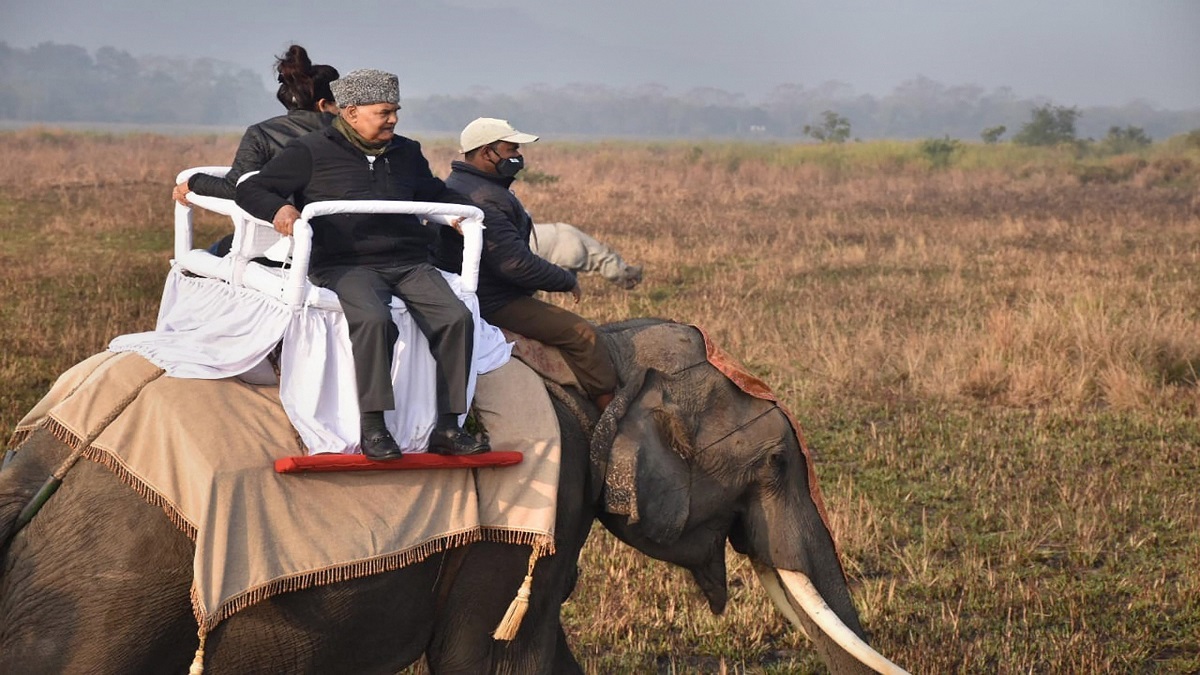
For travellers drawn to the art of observation, birdwatching in Assam offers a multi-layered experience — from wetland species circling above the Brahmaputra to grassland birds flashing through the tall elephant grass and forest birds thriving along the Himalayan foothill ridges.
Assam’s Iconic Wildlife Zones
The wildlife estates of Assam are unlike any others in India. They combine Himalayan foothill influences with fertile floodplains, offering two powerful ecological worlds in one region. Kaziranga National Park remains the most iconic symbol of wildlife in Assam, known for its vast grasslands, ancient oxbow lakes, and the world’s highest density of One-Horned Rhinoceros. At dawn, fog collects above the wetlands, and the silhouettes of elephants move like ancient spirits across the landscape.
Key Protected Areas of Assam
|
National Park |
Key Features |
Representative Wildlife |
|
Kaziranga National Park (UNESCO) |
Rhino stronghold; wetlands, grasslands |
Rhinos, Tigers, Elephants, Bengal Florican |
|
Manas National Park (UNESCO) |
Forest–riverine ecosystem |
Pygmy Hog, Golden Langur, Hornbills |
Manas National Park, a UNESCO site and part of the Bhutan biological corridor, reveals a different world. Its riverine forests echo with the movement of Golden Langurs and hornbills, while grasslands support the critically endangered Pygmy Hog. These zones, along with smaller sanctuaries and forested foothills, form interconnected wildlife arteries that sustain the heart of eastern Himalayas wildlife.
The diversity across these protected areas strengthens Assam’s standing as a premier destination for kaziranga birding tours and other wildlife experiences.
Birding in Assam
Birding in Assam is a sensory experience shaped by the pulse of the Brahmaputra and the seasonal migrations that bring life to its wetlands and forests. Over 900 bird species have been recorded, making the state one of the richest birding landscapes in South Asia. Travellers seeking birdwatching in Assam begin at the riverbanks, where gulls, terns, lapwings, and migratory waterfowl gather on the sandbars during winter. As the sun rises, wetlands such as Deepor Beel awaken with the calls of herons, Pallas’s Fish Eagles, and the endangered Greater Adjutant.
Grasslands reveal another dimension of eastern himalayas wildlife. Swamp Francolins, Bengal Floricans, Marsh Babblers, and grassland warblers thrive among tall elephant grass, while forests echo with the wingbeats of Great and Wreathed Hornbills. This extraordinary diversity is why travellers frequently join kaziranga birding tours, which provide access to prime birding habitats around lakes, forest edges, and elevated watchtowers.
Foothill birding near Manas reveals raptor-rich skies, laughingthrush flocks, and vibrant passerines. Assam’s birdlife reflects the full ecological spectrum of the region, making each day of birding feel like a new chapter in nature’s storybook.
Low-Impact Experiences in Assam
Assam has embraced conservation-led tourism, ensuring that wildlife experiences are grounded in respect, community involvement, and environmental responsibility. This philosophy mirrors the broader principles of eco tourism in the eastern himalayas and carries the spirit of low impact tourism india.
Travellers exploring Kaziranga participate in regulated jeep safaris led by trained naturalists who understand animal behaviour, movement corridors, and safety protocols. River-based birding on the Brahmaputra takes visitors into the heart of wetland ecosystems, where silence enhances the chance of spotting winter migrants. These activities create minimal disturbance to wildlife while generating livelihood opportunities for local communities.
Manas offers a more intimate experience. Eco-camps operated by Bodo families provide deep cultural and ecological immersion. Guided forest walks, bicycle safaris, and traditional meals strengthen the connection between conservation and community identity.
By choosing responsible routes, supporting homestays, and following ethical wildlife-viewing practices, travellers ensure that birdwatching in Assam and broader wildlife tourism strengthen both habitats and the people who protect them.
Wildlife & Birding in Arunachal Pradesh
Arunachal Pradesh rises like an emerald continent draped in cloud shadow, home to some of the last undisturbed forests in South Asia. With more than 80% forest cover and an elevational range stretching from 200 metres to over 4,500 metres, this state embodies the wild heart of the Eastern Himalayas. Exploring wildlife in Arunachal Pradesh feels like entering a realm untouched by time, where the silence of ancient canopies is broken only by the wingbeats of hornbills or the distant calls of gibbons echoing through deep valleys.
Every bend in the mountain road reveals a new world — lowland tropical forests in Changlang and Namsai, dense evergreen slopes around Ziro, vast oak and rhododendron forests in West Kameng, and alpine ecosystems in Tawang. This varied geography nurtures a startling variety of faunal communities, making birdwatching in Arunachal Pradesh one of Asia’s most extraordinary ornithological journeys. Rare, range-restricted, and endemic birds thrive here alongside iconic mammals such as Clouded Leopards, Hoolock Gibbons, serows, and the elusive Snow Leopard in the highest reaches.
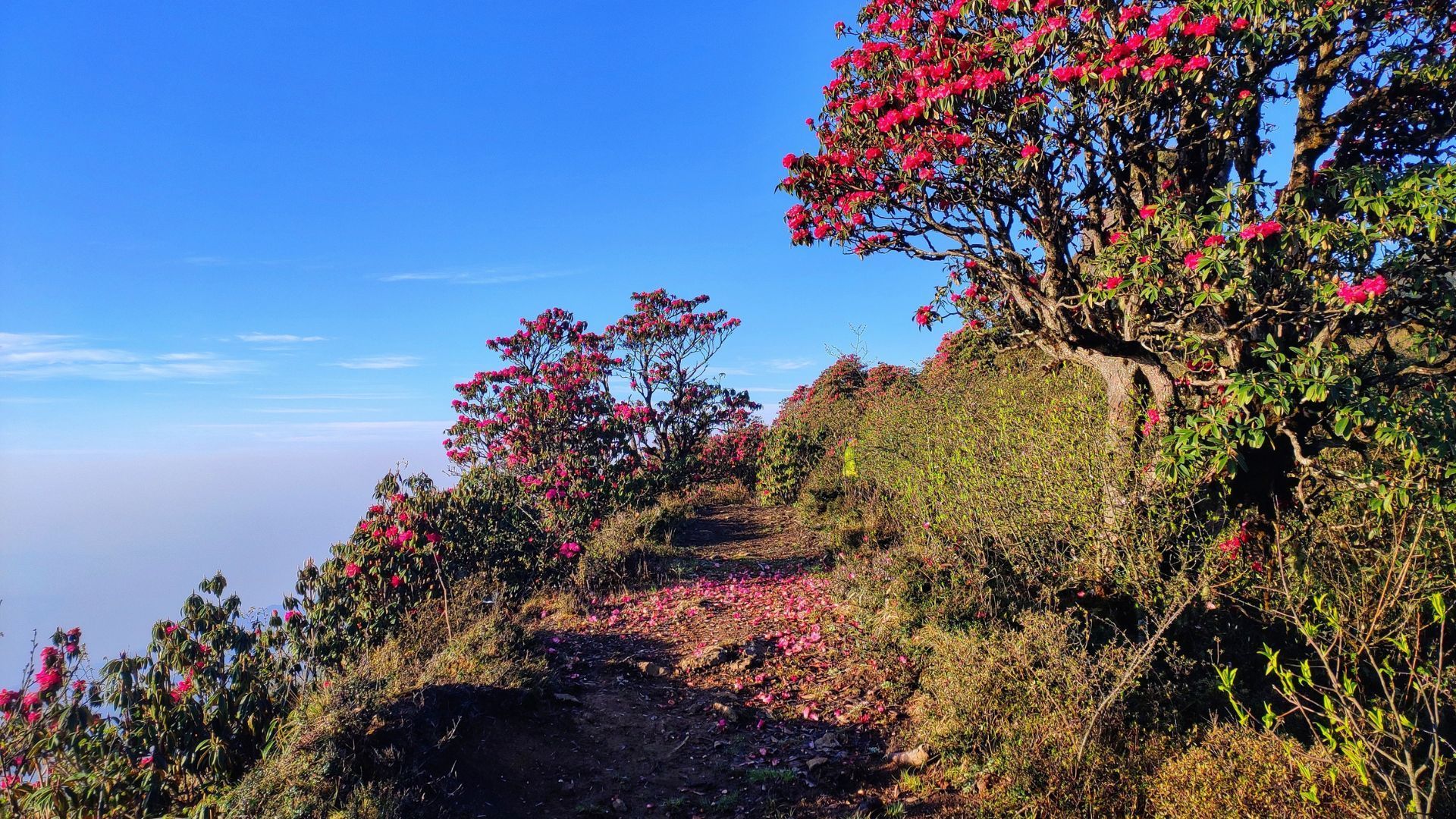
For birders, this state is the crown jewel of eastern himalayas wildlife, combining habitat purity, species richness, and deep cultural connections.
Key Protected Areas of Arunachal Pradesh
Arunachal’s protected areas form three distinct ecological worlds: the ancient forests of Namdapha in the east, the bird-rich mid-altitudes of Eaglenest in the west, and the hornbill-inhabited forests of Pakke in the southeast. These regions are essential not only for the state’s biodiversity but for the wider ecological integrity of the Eastern Himalayas.
Namdapha National Park, India’s easternmost tiger reserve, contains some of the oldest and most pristine rainforest tracts in the country. Home to four big cats — Tiger, Leopard, Clouded Leopard, and Snow Leopard — the park is a sanctuary where travellers encounter rare namdapha national park wildlife such as the White-bellied Heron, Red Serow, and a tremendous diversity of butterflies.

Eaglenest Wildlife Sanctuary is globally celebrated for its discovery of the Bugun Liocichla and its record of over 500 bird species. Its moss-laden forests invite quiet exploration, creating a paradise for birdwatching in Arunachal Pradesh.
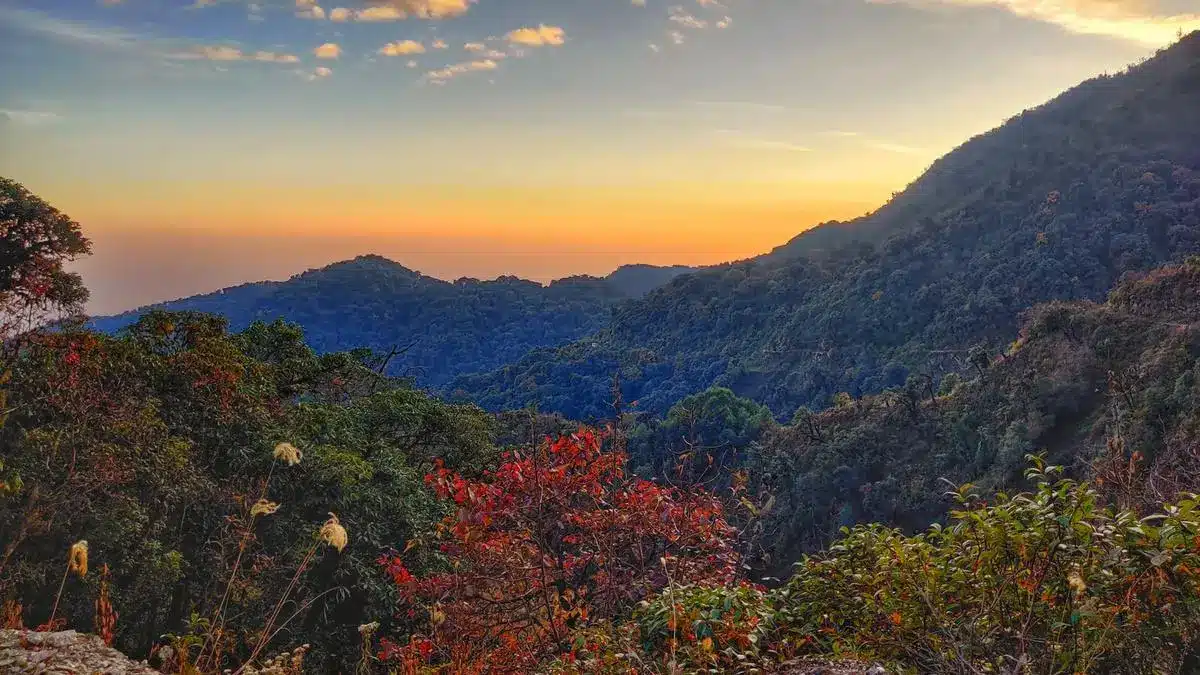
Pakke Tiger Reserve is the homeland of hornbills. Here, conservation programs led by indigenous communities protect nesting sites and support vibrant populations of Great, Wreathed, and Oriental Pied Hornbills — providing exceptional opportunities for hornbill birding Arunachal.
Key Protected Areas of Arunachal Pradesh
|
Protected Area |
Key Features |
Notable Wildlife |
|
Namdapha National Park |
Four big cats; ancient forests |
White-bellied Heron, Clouded Leopard |
|
Eaglenest Wildlife Sanctuary |
Asia’s premier birding hotspot |
Bugun Liocichla, 500+ species |
|
Pakke Tiger Reserve |
Strong hornbill conservation |
Great, Wreathed, Oriental Pied Hornbill |
Arunachal’s Iconic Birdlife
Arunachal Pradesh holds some of the rarest and most sought-after bird species in Asia. The presence of endemics and range-restricted specialists elevates the state’s status within the global birding community. Among these treasures is the Bugun Liocichla — a species discovered only in 2006 and found exclusively within Eaglenest Wildlife Sanctuary. Its vibrant plumage and rarity make it a symbol of birdwatching in Arunachal Pradesh.
The Rufous-necked Hornbill, a keystone frugivore, thrives in the mature forests of Pakke and Eaglenest. Its presence indicates healthy forest structure. Ward’s Trogon appears in high-altitude forests, where its elusive movements captivate seasoned birders. Other icons include the Himalayan Cutia, Beautiful Sibia, Mountain Scops Owl, and flocks of laughingthrushes that animate the mid-forest layers.

This rich assemblage demonstrates why the state is considered the pinnacle of eastern himalayas wildlife. The combination of pristine habitats, altitudinal transitions, and indigenous knowledge enables sightings that cannot be replicated elsewhere. Birding here transcends observation — it becomes a meditative experience shaped by silence, mist, and ecological wonder.
Iconic Birds of Arunachal Pradesh
|
Species |
Significance |
|
Bugun Liocichla |
Endemic to Eaglenest |
|
Rufous-necked Hornbill |
Keystone seed disperser |
|
Ward’s Trogon |
High-elevation specialist |
|
Beautiful Sibia |
Mid-altitude forests |
|
Himalayan Cutia |
Rare forest passerine |
|
Mountain Scops Owl |
High-altitude nocturnal species |
Low-Impact Travel in Arunachal
Low-impact travel is central to the conservation ethos of Arunachal Pradesh. The state’s indigenous communities — the Nyishi, Monpa, Adi, Wancho, and countless others — have safeguarded forests for generations. Their cultural reverence for nature aligns with the principles of eco tourism in the eastern himalayas, offering a travel model that strengthens both ecology and culture.
Community-managed birding camps in Lama, Bompu, Sessni, and Mandala have redefined responsible wildlife exploration. These camps reinvest tourism revenue directly into forest monitoring, nest protection, and guide training. Travellers benefit from local expertise, gaining insights into hornbill nesting cycles, medicinal plants, animal tracks, and seasonal migrations.
Exploring wildlife in Arunachal Pradesh through this low-impact lens creates minimal disturbance while generating sustainable livelihoods, making conservation a shared mission. Whether you're observing hornbill birding Arunachal at sunrise, trekking through moss-draped oaks, or listening to gibbons in the early hours, every moment becomes a testament to nature’s resilience when protected with care.
Low-Impact Eco-Adventures & Responsible Travel
Responsible travel in the Eastern Himalayas is not merely an optional practice — it is a necessity. These landscapes are delicate, shaped by ancient ecosystems that can be easily disrupted by thoughtless tourism. Slow, mindful exploration lies at the heart of sustainable travel himalayas, honouring the mountains, forests, and cultures that define this region.
Across Sikkim, communities protect forest corridors, run homestays, and guide visitors along trails rich in wildlife and tradition. In Assam, river birding and village-led eco-camps demonstrate that tourism can support conservation without sacrificing cultural authenticity. Arunachal’s indigenous guardians protect hornbill nesting trees, monitor wildlife trails, and share ecological knowledge through trekking and birdwatching experiences.
Choosing responsible routes, avoiding off-trail movement, limiting waste, hiring local guides, staying in certified homestays, and supporting community initiatives ensure that every journey strengthens rather than weakens fragile habitats. This is how eco tourism in the eastern himalayas becomes a force for protection — creating livelihoods, reinforcing conservation, and nurturing connections between travellers and the land.
Such practices safeguard the integrity of eastern himalayas wildlife for future generations while enriching the travel experience with depth, authenticity, and a sense of shared purpose. In these mountains, responsible travel is a form of gratitude.
Conclusion
The Eastern Himalayas remain one of the world’s most precious biodiversity corridors — a living realm where forests breathe, rivers carve ancient pathways, and wildlife flourishes across dramatic elevation gradients. From the Red Panda forests of Sikkim to the rhino-filled grasslands of Assam and the untouched rainforests of Arunachal, the region reflects the purest expression of eastern himalayas wildlife. It is also a sanctuary for bird enthusiasts, offering unparalleled opportunities for eastern himalayas birding.
Through mindful exploration rooted in sustainable travel himalayas and the principles of eco tourism in the eastern himalayas, travellers become partners in conservation — helping preserve species, support communities, and protect fragile habitats.
To journey through these mountains is to witness the world as it once was: wild, sacred, and full of quiet miracles.