
Darjeeling Tea Plantations Darjeeling

Tea Trails and Mountain Mist: Discovering the Tea Plantations of North Bengal and Darjeeling Beyond Darjeeling Town

North Bengal and Darjeeling have always carried an unmistakable fragrance—mist drifting through deep valleys, pine-scented air rising from lush forest slopes, and the delicate sweetness of freshly plucked tea leaves slowly drying under the pale warmth of the early Himalayan sun. But beyond the famous slopes of Darjeeling town lies a deeper, more intricate world: a layered landscape shaped by tea heritage, tea-worker communities, colonial-era tea plantations, high-altitude forests, and a web of offbeat villages that remain beautifully untouched by the hurried pace of modern tourism. This region invites travellers not simply to sip world-famous tea but to step into an entire cultural ecosystem. Here, the tea trail transforms from a path into a narrative—one that weaves identity, memory, ecology, craft, and community into a single living story.
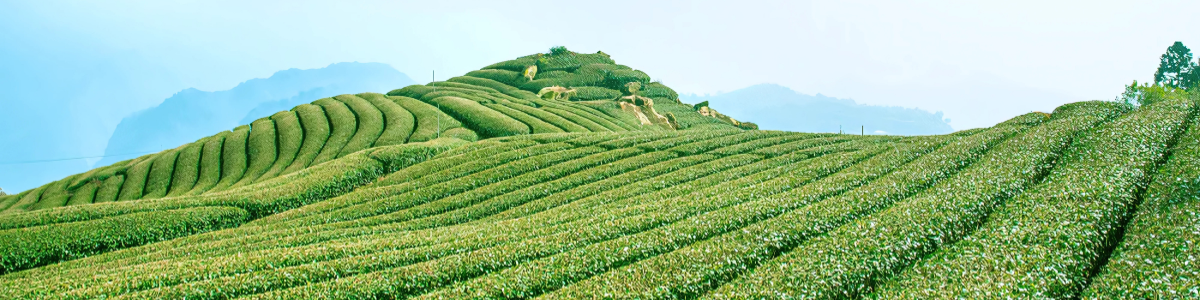
Whether you’re drawn to the meditative quiet of a tea plantation stay in North Bengal, the unhurried rhythms of rural Himalayan life, or the immersive charm of a Darjeeling tea trail offbeat village, these hills offer travel experiences that blend serenity with deep cultural resonance. The Dooars plains, with their wide green belts and elephant corridors; the Terai foothills, where mist rolls across farmlands; the orchid-covered ridges of Kurseong; and the winding slopes above Darjeeling town all hold stories waiting to be discovered. These stories celebrate people who craft tea from Darjeeling with extraordinary precision, families who have tended these gardens for generations, and mountain hamlets where traditions linger in the air like folk songs carried by the wind.

Travellers who leave the main highways and ascend into the estates discover that this region is more than a tea-growing zone. It is a living cultural geography where forests, tea bushes, rivers, and communities coexist in delicate balance. On the tea trip in North Bengal routes, where roads twist between valleys and ridges, every turn reveals a new perspective: women plucking leaves at dawn, wood-and-stone villages tucked beneath towering chestnut trees, or layers of plantations climbing the hills in perfect symmetry. This long-form exploration takes you deep into tea-estate life, guided tea walks, plantation stays, food traditions, offbeat valleys, and the growing momentum of green tea tourism in the Indian Himalayas. Beyond the well-known tea trails, Darjeeling is a world that feels both ancient and alive—a world where the mountains still whisper stories to those who slow down and listen.
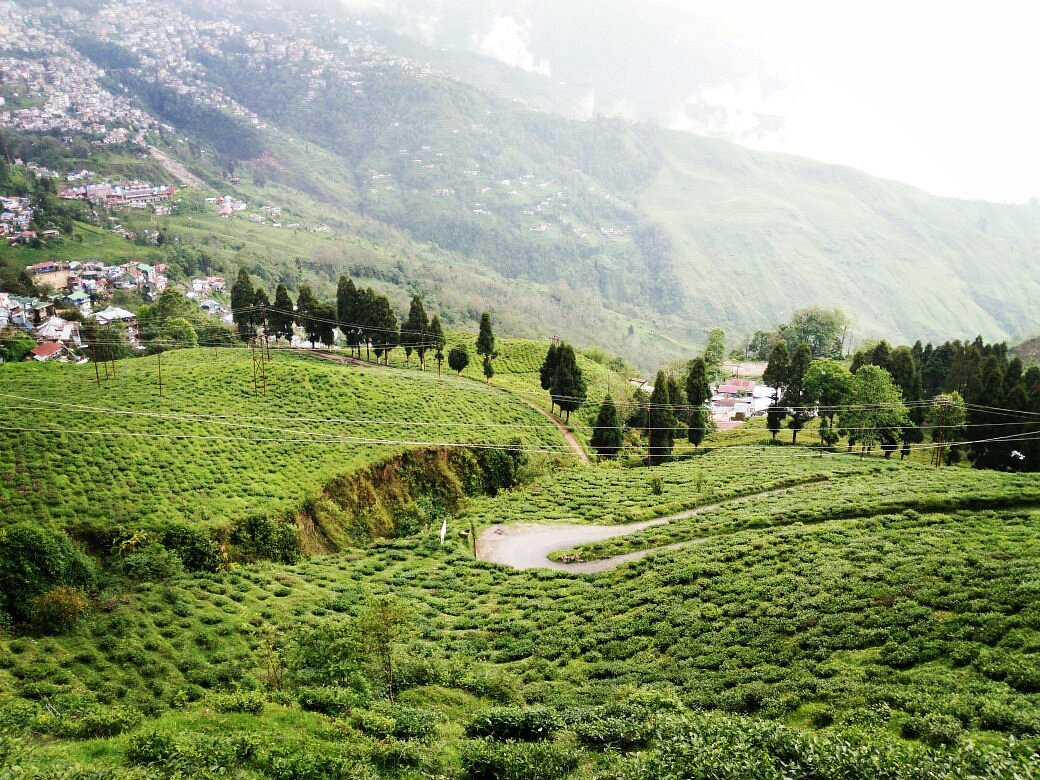

The Soul of North Bengal’s Tea Landscape: History, Heritage, and Himalayan Geography

The tea story of North Bengal began long before it became a global symbol of refined taste. In the mid-19th century, British planters recognized that this mid-altitude Himalayan region held extraordinary potential. The climate—cool mornings, misty afternoons, long hours of filtered sunlight—combined with the unique loam soil and steady mountain breezes created conditions ideal for tea cultivation. Experimental plantings in Kurseong, Darjeeling, and Kalimpong quickly flourished, and soon the region became home to sprawling tea estates in Darjeeling.

Over time, tea of Darjeeling earned an unmatched reputation in world markets. Its muscatel flavour, gentle floral character, and light liquor made it known as the “Champagne of Teas.” But the tea here is not merely a product—it is the fingerprint of an entire ecosystem. Altitude, rainfall patterns, leaf maturity, winds, soil nutrients, and artisanal processing techniques all shape each batch.

The tea belt stretches across multiple ecological zones:

  • The lush Dooars plains, where wildlife pathways meet tea gardens
  • The Terai foothills, a gentle transition between forests and plantations
  • The high ridges of Kurseong with sweeping valley views
  • The misty slopes of Darjeeling, home to iconic gardens
  • The secluded Kalimpong valleys, where tea coexists with terraced farms

Each zone contributes to a unique and evolving flavour map. Travellers exploring a tea garden tour often find themselves walking between drastically different microclimates within an hour—one moment surrounded by tall sal forests, the next overlooking deep valleys where tea gardens form green waves down the hillside.

But what truly distinguishes this landscape is its sense of place. A journey along any tea trail reveals a world where nature and history merge effortlessly. Colonial-era bungalows stand on manicured lawns; hornbills glide across forest canopies; bamboo villages cling to cliffs; and century-old factories release the rich aroma of drying leaves each evening. The land feels old, wise, and deeply connected to its past—a feeling travellers carry with them long after leaving these hills.

Tea Estate Life: Inside the Rhythm of a Plantation Community

To understand the spirit of tea country, you must walk into the estates themselves. Tea-estate life forms a world both self-contained and interconnected, shaped by generations of workers who live, celebrate, cook, and farm within these vast green landscapes. Their traditions, music, food, and rituals form the cultural heartbeat of the region.

Dawn in the Tea Gardens

Just before sunrise, the gardens awaken. The sound of slippers brushing against damp soil, the rustle of leaves, and soft conversations signal the beginning of the day. Workers walk in small groups, baskets tied by cloth across their foreheads, moving gracefully toward the plucking sections. The morning air is filled with a sweet scent—dew, wet earth, magnolia blooms, wild orchids, and young tea shoots releasing their fragrance.

From the verandahs of tea plantation stay North Bengal bungalows, travellers witness this everyday ritual. Mist glides across the slopes and gathers around treetops before dissolving into the sunlight. Here, time seems to slow, and even simple moments—listening to distant bird calls, watching light settle on tea bushes—become profoundly calming.

The Legacy of the Tea Factory

At the centre of every estate stands its factory—a humming structure of metal, wood, and tradition. These factories are often more than a century old, with vintage rollers and dryers still in use. During well-curated tea trip North Bengal tours, visitors walk through rooms where large withering troughs hold fresh leaves, where wooden rollers gently twist them, and where oxidation rooms exude the rich aroma associated with premium tea of Darjeeling.

This process is not merely technical—it is sensory, emotional, and deeply connected to the workers’ craftsmanship. As travellers watch each stage unfold, they begin to appreciate the extraordinary labour behind every cup.

Festivals, Food, and Cultural Roots

Tea estates are cultural microcosms. Nepali, Lepcha, Rai, Limbu, Tamang, and Adivasi communities coexist, blending languages, customs, and culinary traditions. Evenings often come alive with folk dances, bamboo flute melodies, and the beat of the madal drum. Festivals like Losar, Tihar, and Maghe Sankranti are celebrated with vibrant rituals and feasts. Inside workers’ homes, travellers enjoy simple but deeply flavourful meals—dal-bhat, spinach cooked with wild herbs, fermented bamboo shoot, kinema, millet bread, and nettle soup.

These moments—shared meals, conversations, and cultural exchanges—form the emotional essence of a Darjeeling tea trail offbeat village experience.

Plantation Stays and Slow Travel: Becoming a Part of the Landscape

Tea tourism has evolved dramatically. Plantation stays now represent the heart of slow travel, offering immersive, mindful escapes inside functioning tea estates.

Why Plantation Stays Matter

To stay on a plantation is to become part of the landscape. Guests wake to firewood smoke rising from kitchens, watch valley fog drifting over ridges, and sit on verandahs sipping fresh first-flush tea while overlooking miles of green. Many estate bungalows preserve old-world charm—wooden floors polished by decades of footsteps, vintage lamps glowing softly at dusk, lace curtains moving gently with the breeze, stone fireplaces crackling during cold evenings, and sprawling gardens filled with hydrangeas, dahlias, and rhododendrons. The ambience feels like stepping into a slower century, where time loosens its hold and each moment deepens into a kind of mindful quiet.

Beyond architecture and scenery, what makes a tea plantation stay in North Bengal or a tea plantation stay in the Himalayas truly special is the rhythm of daily life that travellers become part of. Unlike hotels, plantations invite you into their routines—listening to the distant hum of factory machines late at night, watching workers descend the slopes in the golden afternoon light, and experiencing the way the landscape changes character with the slightest shift in weather. The soundscape itself becomes a memory: cicadas at noon, soft winds through bamboo groves, and raindrops falling on wide tin roofs. Together, these impressions form the emotional essence of plantation living.

The rising demand for these stays reflects a global shift: travellers no longer want rushed itineraries. They seek experiences that slow them down, reconnect them with nature, and offer quiet spaces for reflection. In a world full of noise, plantation stays offer the rare luxury of silence—where the simple act of observing mist roll through the valley becomes a grounding, almost meditative experience.

Guided Tea Walks and Farm-to-Cup Experiences

Plantation stays often include guided walks that help travellers understand how leaf maturity shapes taste, why altitude influences aroma, what distinguishes first flush from second flush, and why tea of Darjeeling is globally admired.

These guided walks are usually led by experienced estate staff who have spent their lives studying the plant, the soil, and the mountain climate. Travellers following a tea trail or joining a curated tea trip to the North Bengal circuit often find these experiences transformative because they reveal how delicate factors—sun exposure, rainfall, leaf maturity, and even the time of day—can shape the flavour profile of a single cup. Walking through winding slopes, visitors witness how thousands of tiny microclimates work together to create the legendary fragrance of tea of Darjeeling, giving them a deeper appreciation for the craftsmanship behind every batch.

During these sessions, travellers may also taste teas side-by-side, understanding the differences between orthodox, green, and white tea. Many plantation stays create interactive “farm-to-cup” storytelling sessions where guests learn how plucking, withering, rolling, and oxidation define a garden’s identity. These immersive experiences strengthen the foundation of green tea tourism of the Himalayas in India, offering a blend of ecology, culture, and craftsmanship that turns a simple walk into a deeply educational exploration of Himalayan tea heritage.

Forest-Edge Villages and Hidden Hamlets

Beyond the estates lie villages that feel timeless. Chimney’s moss-covered paths, Lepcha Busty’s traditional homes, Sittong’s orange orchards, Pokhriabong’s riverside trails, and Samthar Plateau’s wide valley views create the perfect canvas for quiet Himalayan living. A Darjeeling tea trail offbeat village journey often leads to these lesser-known gems.

These settlements are woven into the rhythm of tea life—many families here work in the gardens, dry herbs in the sun, cultivate small cardamom plots, or maintain terraced farms that cling to steep valley walls. Travellers exploring tea trails of Darjeeling often find that these hamlets add emotional depth to their journey, offering a glimpse into local traditions, mountain hospitality, and stories passed down through generations. In places like Tindharia or Latpanchar, the forest meets the tea gardens so seamlessly that travellers can hear both the soft rustle of tea leaves and the distant calls of Himalayan birds.

These villages are also hubs of cultural diversity: Lepcha, Nepali, Tamang, and Adivasi communities coexist, each contributing their own food traditions, folk dances, and harvesting rituals. For many visitors following a tea trail or seeking immersive experiences connected to green tea tourism of the Indian Himalayas, these forest-edge villages become the highlight of the trip—quiet, authentic, and beautifully rooted in the spirit of the hills.

Beyond Darjeeling Town: The Offbeat Trails of Tea Country

Kurseong’s Hidden Tea Belt

Kurseong, the “Land of White Orchids,” features legendary plantations such as Castleton, Goomtee, Makaibari, and Ambootia. Known for calm surroundings and exceptional tea, this region is perfect for those following tea trails in Darjeeling who prefer immersion over sightseeing.

Mirik and the Western Tea Slopes

Around Mirik, gardens like Thurbo and Soureni offer spectacular ridge views and peaceful hamlets, ideal for travellers seeking a tea plantation stay in North Bengal.

Kalimpong’s Secret Valleys

Algarah, Lava, and Samthar Plateau house beautiful forest-tea landscapes. These locations blend tea trails with village traditions, forming the essence of green tea tourism of the Indian Himalayas.

Dooars and Terai

Dooars and Terai present lush gardens such as Bagrakote and Damdim. Wildlife lovers often combine a tea trip to North Bengal with safaris in Jaldapara and Gorumara.

Tea Trails as Sustainable Travel: The Rise of Green Tourism

Tea tourism is increasingly aligned with sustainability, and the region’s plantations are at the centre of this transformation. Many estates now adopt eco-friendly practices like solar power, organic farming, zero-waste processing units, and chemical-free cultivation methods that protect soil health. These efforts are deeply connected to the broader philosophy behind green tea tourism in the Indian Himalayas, where travellers experience not only the scenic beauty of the hills but also the ethical choices that sustain them. Plantation managers often restore native forests surrounding the gardens, strengthen drainage systems to prevent soil erosion, and maintain biodiversity patches that support birds, butterflies, and small mammals.

Beyond environmental conservation, tea estates collaborate closely with villagers to create sustainable tourism initiatives such as storytelling evenings, forest treks, heritage walks, farm-to-cup workshops, birding circuits, and local craft showcases. These experiences give travellers deeper immersion while ensuring fair economic opportunities for communities linked to the tea trip of North Bengal routes or tea trails Darjeeling. In many offbeat hamlets, young locals are trained as naturalists, birding guides, and cultural interpreters, helping preserve traditions that might otherwise fade. With an emphasis on community empowerment, these initiatives maintain cultural identity, strengthen livelihoods, and ensure that every traveller who steps onto a tea trail contributes positively to the region.

The Future of Tea Tourism: Why Offbeat Trails Matter

Tea tourism in North Bengal and Darjeeling now extends far beyond tea of Darjeeling itself, evolving into a meaningful search for authenticity and ecological harmony. Today’s travellers seek slow, thoughtful journeys through forest-edge villages, terraced hamlets, and heritage estates where tea culture shapes daily life. They crave authentic culture, ecological responsibility, historical depth, and immersive village experiences such as a peaceful stay in a Darjeeling tea trail offbeat village overlooking layers of green valleys. This shift reflects a growing awareness that the most memorable moments often happen off the main tourist routes—on quiet verandahs, during walks with local farmers, or while following lesser-known sections of the tea trails of Darjeeling.

Tea tourism is increasingly aligned with sustainability. Plantations adopt eco-friendly practices like solar power, organic farming, and forest conservation. Estates collaborate with villagers to create:

  • Storytelling evenings
  • Forest treks
  • Heritage walks
  • Farm-to-cup workshops
  • Birding circuits
  • Local craft showcases

These initiatives preserve cultural identity and support local livelihoods.

These offbeat trails invite travellers to slow down, breathe deeply, and become part of a landscape shaped by centuries of craft and culture. Mist curls down the hills at dusk, hornbills call across the forests, and tea leaves shimmer under afternoon sunlight—creating moments of peace that remain long after travellers return home. As more people turn to responsible travel, the tea gardens, villages, and heritage belts linked by the tea trail will continue to inspire meaningful journeys rooted in nature, memory, and community.