
The One-Horned Rhino of India: A Rare Species Shaped by Floodplains, Survival, and Conservation
An Icon of India’s Living Floodplains
The greater one-horned rhino, also known as the Indian rhinoceros, is one of the most distinctive large mammals found anywhere in the world. Native primarily to the fertile floodplains of northern India, this species stands apart not only because of its striking appearance, but because of the ecological systems it depends on. For travellers exploring wildlife destinations in Assam, the one-horned rhino represents the deep connection between seasonal rivers, grasslands, and conservation-led landscapes.
Unlike African rhino species associated with open savannahs, the Indian rhino evolved in environments shaped by annual floods. These river-driven ecosystems—often encountered through Brahmaputra river journeys—create tall grasslands, wetlands, and marshes that are essential for the species’ survival. Conservation assessments by World Wildlife Fund (WWF) highlight that without these floodplain systems, the one-horned rhino cannot sustain viable populations.
A Species Defined by Singular Physical Features
The Evolutionary Significance of a Single Horn
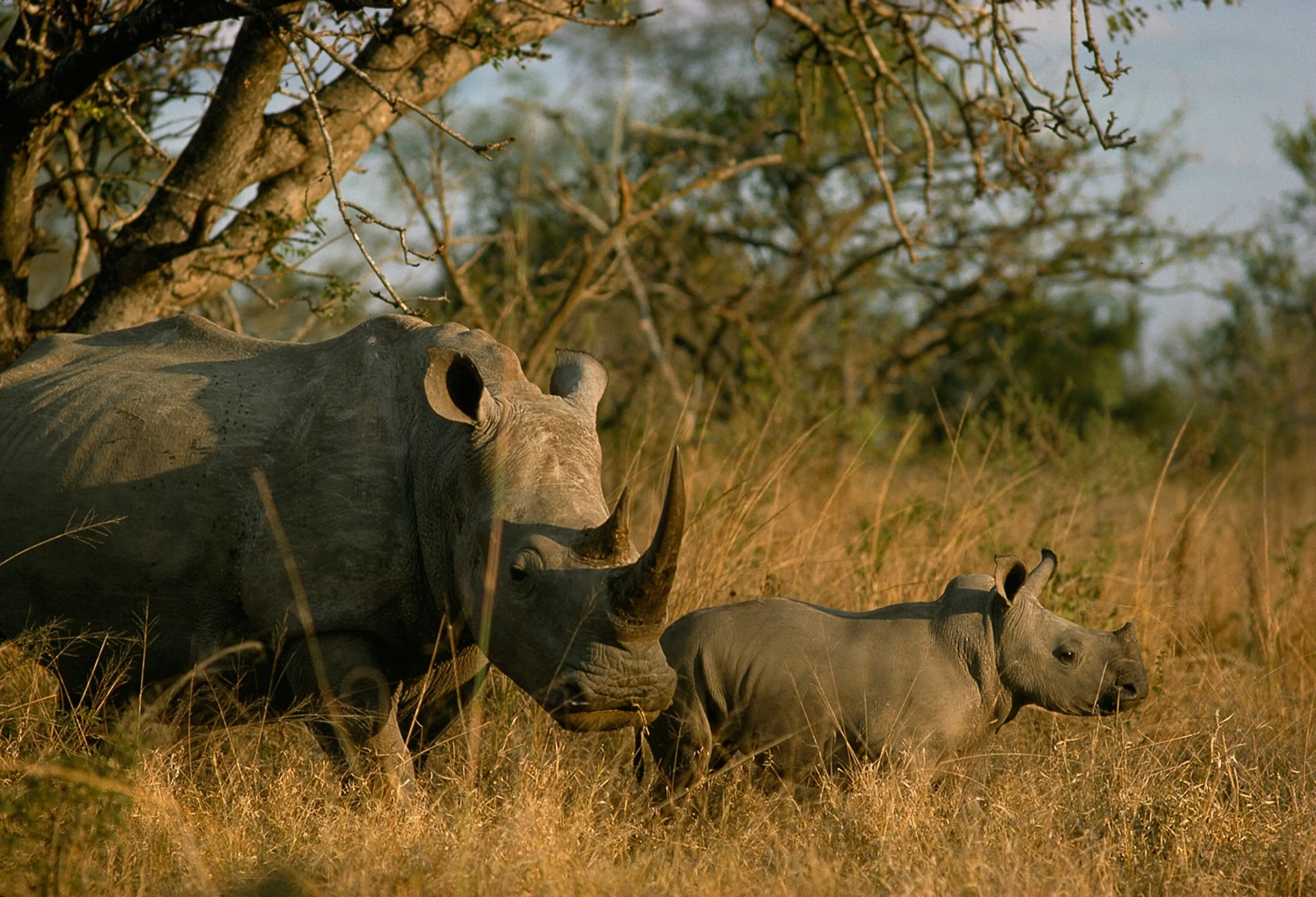
The most recognisable feature of the one-horned rhino is its solitary horn. Made entirely of keratin, the horn grows throughout the animal’s life and is found in both males and females. Contrary to popular belief, it is rarely used for fighting. Research documented by Save the Rhino International shows that the horn plays a practical role in grazing, digging for mineral-rich soil, and manipulating vegetation. This evolutionary adaptation distinguishes the species from all other rhinos and reinforces its close relationship with grassland habitats, which form the basis of many nature-focused travel ideas in Northeast India.
Armour-Like Skin and Prehistoric Appearance
Equally unique is the rhino’s thick, folded skin. Large plates separated by deep creases wrap around the body, giving the animal its famously armoured look. These folds allow flexibility while protecting the rhino from abrasive grasses, insects, and environmental stress. According to Encyclopaedia Britannica, this skin structure is unmatched among terrestrial mammals and evolved specifically for life in dense floodplain vegetation. Sparse hair along the ears and tail further accentuates its rugged, almost prehistoric presence.
Size, Strength, and Quiet Dominance
The greater one-horned rhino is the largest rhino species in Asia, with adults frequently weighing over two tonnes. Despite its massive build, it moves with surprising ease, especially in waterlogged terrain. Conservation profiles published by WWF India note that this combination of size and mobility allows the species to dominate its habitat without constant aggression. Observing such behaviour is often a highlight of guided wildlife experiences designed around ethical and low-impact viewing.
Behaviour and Ecological Specialisation
A Semi-Aquatic Way of Life
One of the most unusual traits of the Indian rhino is its semi-aquatic lifestyle. The species spends long hours wallowing in rivers, marshes, and ox-bow lakes to regulate body temperature and deter parasites. Access to water is non-negotiable for its survival. Studies referenced by International Fund for Animal Welfare (IFAW) stress that the loss of wetlands directly threatens rhino populations. This dependency explains why river-linked ecosystems, often explored through slow travel itineraries in riverine landscapes, are so critical to conservation planning.
Shaping Grasslands as a Keystone Species
Beyond its physical presence, the one-horned rhino plays a crucial ecological role. Through grazing, trampling, and seed dispersal, it helps maintain open grassland systems that support birds, smaller mammals, and other herbivores. Ecologists cited by WWF India classify the species as a keystone megaherbivore, meaning its presence directly influences biodiversity and ecosystem health across entire landscapes.
An Ancient Lineage and a Modern Conservation Symbol
Fossil evidence shows that ancestors of the one-horned rhino once ranged widely across South and Southeast Asia. By the early twentieth century, however, hunting and habitat destruction reduced the species to the brink of extinction. What makes the one-horned rhino truly unique today is its recovery. Long-term monitoring by Save the Rhino International documents how strict protection, habitat restoration, and community involvement reversed this decline.
Today, the one-horned rhino stands as one of India’s most powerful conservation success stories. For travellers engaging with conservation-oriented journeys and responsible wildlife travel experiences, encountering this species is not just about observation—it is about understanding how ancient animals continue to survive in carefully protected modern landscapes.
What Makes the One-Horned Rhino So Unique
The Largest of All Asian Rhino Species
The greater one-horned rhino (Rhinoceros unicornis) holds a singular position among the world’s rhinoceros species as the largest rhino native to Asia. Adults routinely exceed two tonnes in weight, with a body mass and shoulder height comparable to the African white rhino. This sheer scale is not merely a matter of appearance; it directly shapes how the animal interacts with its environment. In the tall grasslands and floodplains of northern India, size offers both advantage and authority, allowing the one-horned rhino to dominate feeding grounds with minimal competition. Observations recorded by World Wildlife Fund (WWF) underline that this physical dominance reduces conflict with other herbivores, enabling rhinos to follow predictable grazing and wallowing routines.
Unlike African rhinos, which evolved primarily in open savannah systems, the Indian rhino developed in river-fed landscapes where seasonal flooding regenerates grasses and wetlands. This evolutionary divergence explains why the species thrives in environments often encountered while exploring wildlife destinations in Assam, where vast grasslands stretch between braided rivers. The single horn, thickset body, and powerful limbs together form a biological toolkit tailored to these dynamic habitats rather than arid plains.
Armour-Like Skin Morphology and Functional Design
One of the most visually arresting features of the one-horned rhino is its thick, folded skin, often compared to medieval armour. These deep folds divide the skin into large plates around the shoulders, flanks, and hindquarters, creating an impression of segmented protection. While this appearance has inspired myths and folklore for centuries, the function of this skin morphology is entirely practical. According to Encyclopaedia Britannica, the folds allow flexibility and freedom of movement while providing resistance against abrasive grasses, thorny plants, and biting insects common in floodplain environments.
The skin itself can be several centimetres thick, yet it remains sensitive, requiring frequent wallowing to stay cool and parasite-free. This need for mud and water reinforces the rhino’s dependency on wetlands and marshes—ecosystems shaped by river systems such as those experienced along Brahmaputra river journeys. In dense vegetation, the armour-like folds also reduce the risk of injury when moving through tall grasses and reeds, offering protection without sacrificing mobility.
A Semi-Aquatic Lifestyle Rare Among Megafauna
Unlike most large terrestrial mammals, the one-horned rhino is distinctly semi-aquatic. It spends a considerable portion of each day submerged in water or mud, especially during warmer hours. Wallowing serves multiple purposes: cooling the body, protecting the skin from insects, and maintaining hydration in humid climates. Research cited by International Fund for Animal Welfare (IFAW) confirms that access to water bodies is essential for the species’ physical health and long-term survival.
This aquatic affinity sets the Indian rhino apart from African species, which rely far less on prolonged immersion. Flooded grasslands, ox-bow lakes, and marshy riverbanks form the core of the rhino’s habitat, allowing it to graze on aquatic plants in addition to tall grasses. These behaviours highlight why conservation strategies are inseparable from river management and wetland preservation—an approach that aligns closely with nature-focused travel ideas in Northeast India that emphasise landscape-level understanding rather than isolated wildlife sightings.
Sensory Adaptations for Dense Riverine Habitats
Despite its size, the one-horned rhino relies more on sensory awareness than brute strength. Its eyesight is relatively weak, but this limitation is compensated by highly developed hearing and an acute sense of smell. In environments where tall grasses can obscure visibility, these senses become critical for detecting threats, locating other rhinos, and navigating complex terrain. Conservation studies referenced by WWF India note that scent marking and vocalisations play an important role in maintaining territory boundaries and social spacing.
These sensory adaptations are particularly effective in floodplain landscapes, where sound travels differently through waterlogged vegetation and scent cues linger longer in humid air. For travellers participating in guided wildlife experiences, understanding these behavioural traits enhances appreciation of how rhinos perceive their surroundings—often sensing human presence long before they are seen.
An Ancient Lineage That Predates Modern Landscapes
The evolutionary story of the one-horned rhino stretches back millions of years. Fossil records show that ancestors of this species once roamed widely across South and Southeast Asia, from present-day Pakistan to Myanmar. This ancient lineage places the Indian rhino among the most enduring large mammals on Earth. According to Save the Rhino International, the species survived dramatic climatic shifts, tectonic changes, and the rise and fall of entire ecosystems long before modern humans appeared.
Yet despite this resilience, the species came perilously close to extinction in the nineteenth and early twentieth centuries due to hunting and habitat loss. Its survival into the modern era is therefore not only a testament to evolutionary strength but also to deliberate conservation intervention. This history adds depth to encounters with the species, particularly for travellers interested in conservation-oriented journeys that explore the intersection of natural history and human responsibility.
Evolutionary Design Shaped by Flood and Renewal
What ultimately makes the one-horned rhino unique is not any single trait, but the way its physical form, behaviour, and sensory systems are all shaped by flood-driven landscapes. Annual inundation regenerates grasses, redistributes nutrients, and reshapes terrain, and the rhino has evolved to move, feed, and rest within this constant cycle of change. Studies summarised by World Wildlife Fund (WWF) emphasise that the species’ survival depends on this rhythm of flooding and renewal—without it, grasslands degrade and wetlands vanish.
This ecological dependency explains why the Indian rhino cannot simply be relocated to any protected area. Its uniqueness lies in its deep integration with specific landscapes, landscapes that continue to be explored through responsible wildlife travel experiences that prioritise habitat preservation alongside observation.
A Living Example of Evolutionary Continuity
In an age of rapid environmental change, the one-horned rhino stands as a living reminder of evolutionary continuity. Its massive form, armoured skin, and ancient lineage evoke a prehistoric world, yet it remains firmly rooted in modern conservation efforts. Scientific profiles maintained by WWF India and Save the Rhino International consistently describe the species as both vulnerable and resilient—capable of recovery when ecosystems are protected, but highly sensitive to disruption.
Understanding what makes the one-horned rhino so unique therefore goes beyond biology. It reveals how landscapes, rivers, and time itself shape life, and why preserving these connections matters. For those engaging with wildlife destinations in Assam or broader conservation narratives, the Indian rhino is not simply an animal to be seen, but a species that embodies the survival of ancient nature within a carefully protected present.
How One Can View Them (Safari & Travel Tips)
Safari Options Across Rhino Landscapes
Viewing the one-horned rhino in the wild is most rewarding when it is done within landscapes that have been specifically managed for both wildlife protection and low-impact tourism. In India, regulated safari systems allow visitors to observe rhinos without disrupting their natural behaviour. The most established model is found in Kaziranga, where jeep safaris and elephant safaris operate at carefully controlled times of day. Early morning and late afternoon safaris are particularly effective, as rhinos emerge from water bodies to graze in open grasslands. These hours also offer softer light and cooler temperatures, increasing the chances of prolonged sightings.
Elephant safaris, though limited in number, provide a unique vantage point. Moving quietly through tall grass, they allow close yet non-intrusive observation of rhinos at eye level, often within their preferred feeding zones. Jeep safaris, by contrast, cover larger areas and are better suited for understanding the broader floodplain ecosystem—an experience often integrated into wildlife destinations in Assam that combine grasslands, wetlands, and forest edges.
Beyond Kaziranga, smaller protected areas offer a very different viewing experience. Pobitora Wildlife Sanctuary, for instance, has one of the highest densities of one-horned rhinos anywhere in the world. Its compact size means sightings are frequent and often occur at close range. This intimacy makes Pobitora especially appealing for travellers interested in focused wildlife observation rather than large-scale exploration, fitting naturally into short, conservation-focused travel ideas built around depth rather than distance.
Understanding Rhino Behaviour During Safaris
Successful rhino viewing is not only about location, but about understanding behaviour. One-horned rhinos are largely solitary and follow predictable daily routines shaped by temperature, water availability, and grazing cycles. During cooler hours, they are more likely to be active in open areas, making them easier to spot. As temperatures rise, they retreat to wetlands and shaded zones, where they may be partially submerged and harder to see.
Guides trained in rhino behaviour play a crucial role here. Their ability to read signs such as trampled grass, dung middens, and water movement often determines the quality of sightings. Choosing experiences led by knowledgeable local naturalists—commonly included in guided wildlife experiences—adds depth to the encounter, transforming a sighting into a deeper understanding of how rhinos interact with their environment.
Best Time to Visit for Rhino Sightings
Timing is one of the most important factors in planning a rhino-viewing trip. The winter months, from November to March, are widely regarded as the best period. During this season, temperatures are mild, vegetation is lower, and rhinos spend more time grazing in open grasslands. These conditions improve visibility and make extended sightings more likely. Winter also coincides with peak accessibility, as park roads and safari routes remain fully operational.
The monsoon season, by contrast, presents a more complex picture. Heavy rains and flooding can restrict access to protected areas, leading to temporary park closures. However, flooding also reshapes the landscape, pushing rhinos to higher ground where they may be seen near embankments and forest edges. Conservation observations referenced by World Wildlife Fund (WWF) indicate that seasonal flooding plays a vital role in maintaining grassland health, even though it complicates travel logistics.
Recent monitoring reports have noted that during extreme flood events, rhinos may move closer to villages in search of higher terrain. While this underscores the importance of floodplain connectivity, it also highlights why visits during monsoon months should be planned with caution and guided by local expertise—an approach central to responsible wildlife travel experiences.
Choosing Ethical and Conservation-Led Tourism Models
Viewing one-horned rhinos responsibly goes beyond choosing the right season or safari type. Conservation-led tourism has become a cornerstone of rhino protection in India, linking visitor experiences directly to habitat preservation and community livelihoods. Approved safari operators follow strict regulations regarding vehicle numbers, distances, and viewing times, reducing stress on animals while generating revenue for conservation.
Organisations such as Save the Rhino International and WWF India consistently emphasise that tourism, when properly managed, can act as a powerful deterrent to poaching by increasing surveillance and providing alternative income streams for local communities. This model encourages visitors to see themselves not as spectators, but as participants in a broader conservation effort.
Selecting operators who work closely with local communities ensures that economic benefits are shared with those living alongside rhino habitats. Many community-linked initiatives are now woven into conservation-oriented journeys, offering opportunities to learn about anti-poaching patrols, habitat restoration, and coexistence strategies that reduce human–wildlife conflict.
Practical Tips for Responsible Rhino Viewing
Ethical rhino viewing also depends on individual behaviour. Maintaining silence, avoiding sudden movements, and respecting guide instructions are essential for both safety and animal welfare. Photography should be done without flash, and vehicles should never attempt to approach rhinos too closely. According to International Fund for Animal Welfare (IFAW), stress caused by improper viewing can alter animal behaviour, particularly in species that rely heavily on sound and scent rather than sight.
Travellers are also encouraged to see rhino viewing as part of a wider ecological experience rather than a checklist item. Observing how rhinos share space with birds, deer, and other species provides insight into the health of the ecosystem as a whole—an understanding that lies at the heart of nature-focused travel ideas in Northeast India.
Conclusion: Viewing Rhinos as Part of a Living Conservation Story
Encountering the one-horned rhino in the wild is more than a wildlife highlight; it is an encounter with an ancient species shaped by rivers, floods, and time. From carefully regulated safaris to community-led conservation models, the ways in which rhinos are viewed today reflect a broader shift in how wildlife tourism is practiced in India. Scientific assessments by World Wildlife Fund (WWF) and WWF India make it clear that the species’ recovery is inseparable from continued habitat protection and responsible human engagement.
By choosing ethical safari options, travelling at appropriate times, and respecting the landscapes that sustain these animals, visitors become part of a conservation narrative that extends far beyond a single sighting. In doing so, journeys through wildlife destinations in Assam and surrounding regions transform into meaningful experiences—ones that honour both the evolutionary resilience of the one-horned rhino and the ecosystems that continue to support its survival.