
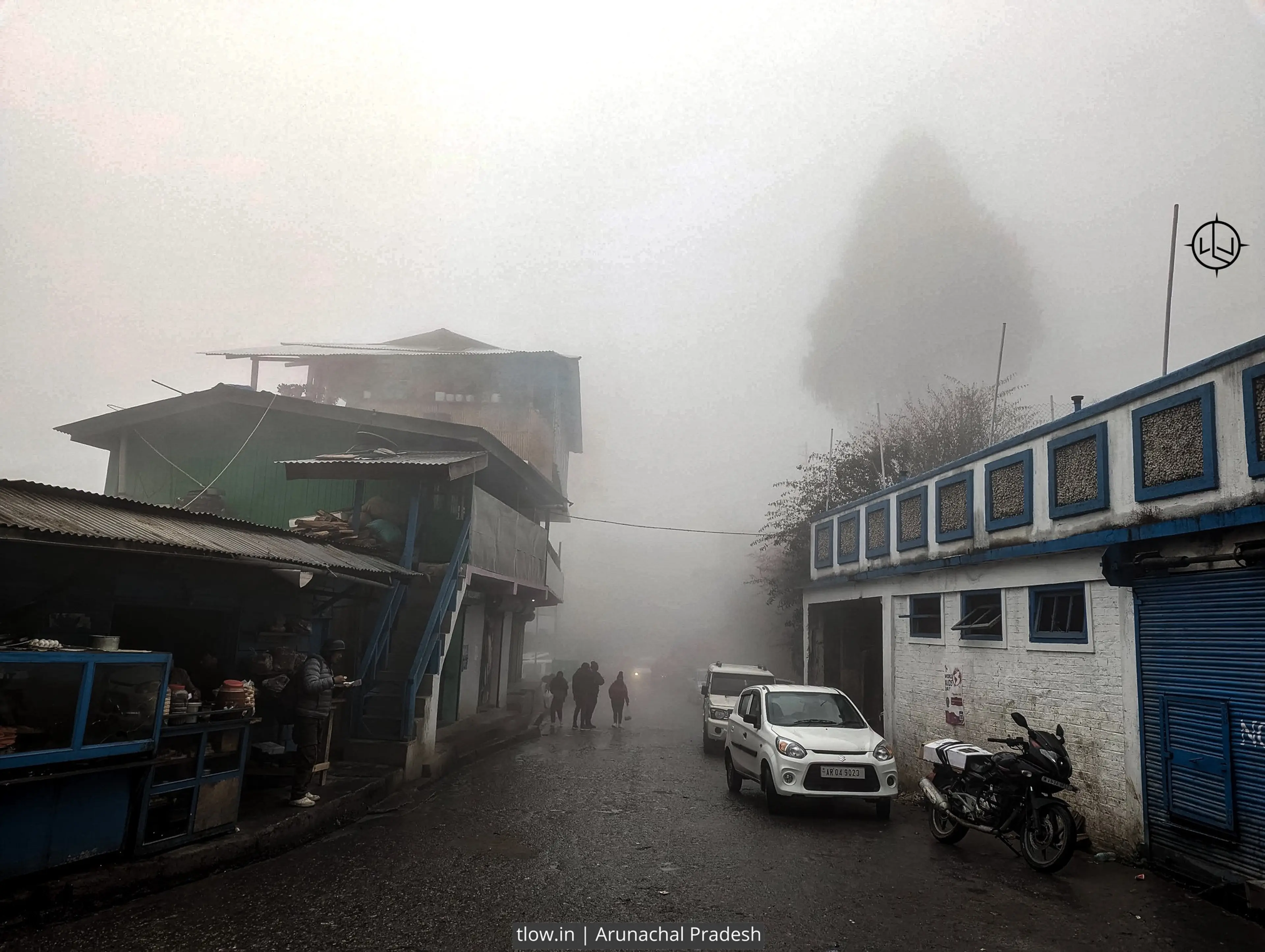
Monsoon in the Eastern Himalayas: Why This ‘Off-Season’ Offers the Most Authentic Travel Experience
What the Monsoon Actually Means in the Eastern Himalayas
For many international travellers, Eastern Himalayas monsoon travel is misunderstood before it is even considered. The word “monsoon” often evokes images of constant rain, limited mobility, and compromised experiences, especially for those unfamiliar with how mountain regions in Asia actually function. In the Eastern Himalayas, however, the monsoon is not a temporary disruption layered onto daily life; it is the central seasonal force that shapes landscapes, ecosystems, and human rhythms. Understanding this distinction is the first step toward appreciating why monsoon travel Eastern Himalayas offers a form of travel that is fundamentally different from peak-season tourism.
Stretching across Sikkim, parts of West Bengal, Assam, Meghalaya, and Arunachal Pradesh, the Eastern Himalayan belt sits directly in the path of moisture-laden winds rising from the Bay of Bengal. As these air masses collide with steep terrain, rainfall is released unevenly, creating a mosaic of wet valleys, regenerating forests, and intermittently clear ridgelines. This variability is why rainy season travel Eastern Himalayas cannot be judged using broad regional generalisations. Conditions change not just week to week, but valley to valley, making local knowledge far more valuable than generic travel advice.
Crucially, the monsoon is when the Eastern Himalayas operate in their most complete form. Rivers expand into their natural floodplains, forests absorb and redistribute water, and agricultural cycles align with rainfall patterns that have remained stable for centuries. From an experiential perspective, this is the season when travellers encounter the region as it is meant to be lived in, rather than observed briefly. For those seeking authentic travel Eastern Himalayas, the monsoon reveals dimensions of place that dry-season itineraries often bypass.
Geography, Rainfall, and Why Conditions Are Never Uniform
One of the most persistent misconceptions about Eastern Himalayas monsoon travel is the assumption that rainfall affects the entire region in the same way at the same time. In reality, altitude, slope orientation, forest density, and proximity to river systems all play a role in shaping local conditions. Lower elevations and forest corridors often experience steady rainfall spread across the day, while higher settlements frequently alternate between rain, mist, and short periods of clarity. This geographical complexity explains why Eastern Himalayas monsoon weather travel requires route-specific planning rather than seasonal avoidance.
Travellers moving through offbeat destinations in Sikkim or forest regions of Meghalaya often notice that accessibility during the monsoon depends less on the volume of rain and more on how terrain absorbs and channels water. Well-vegetated slopes stabilise soil and reduce runoff, while deforested or heavily engineered sections are more vulnerable to disruption. This is why experienced planners rely on regional assessments published by India Meteorological Department monsoon advisories rather than relying on anecdotal reports or outdated assumptions.
From a landscape perspective, the rewards of this season are immediate. Waterfalls emerge along cliff faces, rivers become navigable ecological corridors, and cloud forests reach peak vitality. For travellers interested in Eastern Himalayas monsoon nature travel, these transformations are not aesthetic add-ons but the core experience itself. The environment feels active, layered, and responsive—qualities that are largely absent during drier months when landscapes appear static and subdued.
Risk, Infrastructure, and How Monsoon Travel Is Managed
Acknowledging the realities of off season travel Eastern Himalayas also means addressing risk honestly. Landslides, temporary road closures, and weather-related delays are part of the monsoon landscape, particularly in regions where infrastructure intersects fragile mountain slopes. These risks are not speculative; they are monitored continuously by scientific institutions and local authorities. Studies and mapping by the Geological Survey of India landslide assessments provide granular insight into vulnerable corridors, allowing routes to be adjusted dynamically throughout the season.
What distinguishes informed Himalayas monsoon travel guide planning from casual travel is adaptability. Instead of fixed, point-to-point itineraries, journeys are structured around fewer locations, longer stays, and built-in contingency time. Travellers staying in Himalayan village homestays or participating in slow-paced village tours often find that mobility becomes less important than immersion. When roads pause, village life continues, and the journey deepens rather than stalls.
Foreign travellers frequently underestimate how well-adapted local communities are to monsoon conditions. Homes are constructed for water flow, agriculture is synchronised with rainfall, and social routines adjust naturally to weather patterns. This lived familiarity is why Eastern Himalayas monsoon experiences feel grounded rather than precarious when approached with the right expectations. For visitors, safety comes not from avoiding the season, but from aligning travel style with how the region actually functions.
Ecology, Culture, and the Case for Authentic Off-Season Travel
Ecologically, the monsoon represents the most active phase of the year in the Eastern Himalayas. Forest regeneration accelerates, insect and amphibian populations emerge, and birdlife responds to shifting food sources and habitats. Conservation-focused research by WWF Eastern Himalayas biodiversity programmes consistently highlights this period as critical for ecosystem renewal. For travellers drawn to Eastern Himalayas monsoon nature travel, this translates into encounters that are impossible to replicate in other seasons.
Culturally, the monsoon coincides with agricultural labour, local festivals, and a noticeable slowdown in external tourism. As a result, interactions feel less transactional and more participatory. Visitors engaging through community-based travel experiences or rural Himalayan tours often report deeper conversations, shared meals, and a stronger sense of place. This is not accidental; it is the outcome of travelling when communities are oriented inward rather than catering outward.
For foreign travellers seeking rainy season travel Eastern Himalayas with depth rather than spectacle, the monsoon offers a rare alignment of landscape vitality and cultural presence. Supported by long-term perspectives documented in UNESCO Himalayan cultural landscape studies, this season reveals why the Eastern Himalayas are not simply destinations to be visited, but environments to be understood. In this context, Eastern Himalayas monsoon travel tips are less about avoidance and more about orientation—learning how to move with the season rather than against it.
Experiencing the Eastern Himalayas in Monsoon: Nature, Village Life, and Wildlife
While understanding the mechanics of the monsoon is essential, the true value of Eastern Himalayas monsoon travel emerges only when travellers step into the lived experience of the season. This is when the region’s landscapes, communities, and wildlife operate at full intensity, creating encounters that are immersive rather than observational. For foreign travellers accustomed to destination-led tourism, monsoon travel Eastern Himalayas replaces sightseeing with participation—less about moving through places and more about staying within them.
During the rainy months, the Eastern Himalayas shed the visual predictability associated with peak travel seasons. Trails soften, forests thicken, and the environment feels layered rather than framed. This shift fundamentally alters how travellers interact with space, particularly those drawn to Eastern Himalayas monsoon experiences rooted in nature and culture rather than speed and scale.
Monsoon Landscapes: When Nature Becomes the Experience
The most immediate transformation during rainy season travel Eastern Himalayas is ecological. Rain activates dormant systems—streams reappear, moss spreads across forest floors, and hillsides shift through multiple shades of green within days. These changes are not decorative; they are functional responses to seasonal renewal. Travellers engaging with nature excursion journeys in the Eastern Himalayas often find that the environment feels less like scenery and more like a living presence that dictates pace and movement.
Forests in regions such as Sikkim and Meghalaya are classified as global biodiversity hotspots, a status reinforced by long-term ecological monitoring from WWF Eastern Himalayas conservation studies. During the monsoon, these forests reach peak biological activity, with heightened insect populations supporting birds, amphibians, and small mammals. For travellers interested in Eastern Himalayas monsoon nature travel, this period offers rare opportunities to observe ecosystems in motion rather than in pause.
Visibility, often cited as a concern, becomes a different kind of asset. Instead of uninterrupted vistas, travellers experience layered depth—mist moving through valleys, cloud banks lifting unexpectedly, and short windows of clarity that feel earned rather than guaranteed. This sensory richness is one reason why slow nature-focused travel routes resonate strongly with visitors seeking authentic travel Eastern Himalayas rather than postcard imagery.
Village Life During the Rains: Living With the Season
If nature defines the atmosphere of off season travel Eastern Himalayas, village life defines its emotional core. During the monsoon, rural communities shift inward, focusing on agriculture, maintenance, and social cohesion. For travellers staying in Himalayan village homestays, this inward focus creates space for deeper interaction rather than surface-level hospitality.
Daily routines adapt seamlessly to rainfall. Paths become primary connectors, meals revolve around seasonal produce, and conversations unfold unhurriedly as weather slows external movement. This rhythm offers foreign travellers insight into how Himalayan societies have coexisted with monsoon cycles for generations. Research into mountain livelihoods by International Centre for Integrated Mountain Development community studies highlights how seasonal adaptation is embedded in architecture, agriculture, and social organisation across the Eastern Himalayas.
Unlike peak seasons, when tourism introduces performance, the monsoon strips interaction down to participation. Visitors accompanying hosts through farming tasks, forest walks, or shared meals often report that Eastern Himalayas monsoon experiences feel less mediated and more reciprocal. For travellers engaging with community-based village tours, this season reveals the Himalayas not as a destination, but as a lived environment shaped by water, work, and time.
Wildlife and the Wet Season: A Subtle, Powerful Encounter
Wildlife experiences during Eastern Himalayas monsoon travel differ fundamentally from dry-season sightings. Rather than dramatic visibility, the monsoon offers subtlety—sounds, movement, and presence sensed as much as seen. Wetlands expand, forest undergrowth thickens, and animal behaviour responds directly to abundance and cover. This creates a different kind of attentiveness, particularly for travellers interested in ecology rather than spectacle.
Protected areas in Assam and adjoining regions play a crucial role during the monsoon, as flooding redistributes wildlife across natural corridors. Monitoring by UNESCO Man and the Biosphere Programme reports underscores the importance of seasonal wetlands and floodplains for species survival in the Eastern Himalayan ecosystem. Travellers exploring wildlife-rich landscapes of Assam during this period often encounter a quieter, more contemplative form of wildlife travel.
Birdlife, in particular, becomes more dynamic. Breeding cycles, feeding patterns, and migratory movements intensify during the rains, making Eastern Himalayas monsoon nature travel especially rewarding for birdwatchers and naturalists. Unlike structured safaris, these encounters often occur organically—along village paths, riverbanks, and forest edges—reinforcing the sense that authentic travel Eastern Himalayas is inseparable from patience and observation.
Why These Experiences Only Exist in the Monsoon
What unites nature, village life, and wildlife during monsoon travel Eastern Himalayas is timing. These experiences are not scaled-down versions of peak-season travel; they are season-specific realities that disappear once the rains recede. The forests lose their density, villages turn outward again, and wildlife retreats into less visible patterns. For travellers who value depth over coverage, rainy season travel Eastern Himalayas offers access to the region at its most complete.
Cultural landscape research by UNESCO Himalayan cultural landscape documentation consistently shows that seasonal travel shapes how visitors perceive place and people. In the Eastern Himalayas, the monsoon invites travellers to slow down, stay longer, and engage more fully. This alignment of environment and experience is why Eastern Himalayas monsoon travel tips often emphasise mindset over logistics.
In this sense, the monsoon does not limit travel in the Eastern Himalayas—it defines it. For foreign travellers willing to adapt expectations, this season offers encounters with nature, community, and wildlife that remain inaccessible for most of the year.
Who Should Travel During the Monsoon—and How to Plan Safely
Choosing Eastern Himalayas monsoon travel is not about optimism or bravado; it is about fit. This season rewards certain traveller profiles deeply while actively challenging others. Understanding who benefits from monsoon travel Eastern Himalayas, who should avoid it, and how to plan responsibly is essential to turning the rainy season into a meaningful journey rather than a compromised one.
Who the Monsoon Is Ideal For
The monsoon is best suited to travellers who value immersion over momentum. Visitors drawn to authentic travel Eastern Himalayas—those interested in landscapes as living systems, cultures as ongoing processes, and travel as participation—often find this season uniquely fulfilling. These travellers are comfortable with flexible schedules and understand that weather shapes experience rather than interrupts it.
Nature-focused travellers, including birdwatchers, photographers, and slow walkers, are particularly well matched to Eastern Himalayas monsoon experiences. The rains activate forests, wetlands, and agricultural landscapes, creating layered environments that reward observation and patience. Travellers engaging in nature-led Himalayan journeys often report that the monsoon offers greater sensory depth than peak-season clarity.
Culturally curious visitors also thrive during off season travel Eastern Himalayas. With fewer tourists moving through villages, daily life becomes more visible and accessible. Guests staying through community-based village stays are more likely to share meals, conversations, and routines rather than consume staged experiences. This is especially appealing to foreign travellers who have visited India before and are seeking something quieter and more grounded.
Importantly, the monsoon suits travellers who are comfortable relinquishing strict control. Those who approach Eastern Himalayas monsoon travel tips as guiding principles rather than rules tend to adapt well when plans shift due to weather or local conditions.
Who Should Avoid Monsoon Travel
Despite its rewards, rainy season travel Eastern Himalayas is not suitable for everyone. Travellers with very limited timeframes—particularly those attempting multi-region itineraries on tight schedules—often struggle with the flexibility the season demands. The monsoon is not compatible with checklist-style travel or daily long-distance transfers.
Visitors with mobility constraints may also find the season challenging. Wet terrain, uneven paths, and occasional infrastructure disruptions can limit access, especially in rural areas. Those reliant on smooth, predictable transport networks may find Eastern Himalayas monsoon weather travel more demanding than enjoyable.
Families travelling with very young children, or travellers with medical conditions requiring rapid evacuation access, should approach Himalayas monsoon travel guide recommendations cautiously. While many regions remain safe, the margin for error is narrower during the rains. Advisory frameworks outlined by World Health Organization travel safety guidance emphasise the importance of contingency planning in regions with seasonal weather volatility.
Finally, travellers seeking panoramic mountain views as the primary goal may find the monsoon misaligned with expectations. While visibility does occur, it is intermittent rather than guaranteed, making this season better suited to experiential rather than visual priorities.
How to Plan Safely and Responsibly
Safe and rewarding Eastern Himalayas monsoon travel begins with itinerary design. The most effective approach is to reduce geographic spread and increase depth. Fewer destinations, longer stays, and built-in buffer days allow travellers to respond calmly to weather changes. This planning style aligns naturally with slow travel routes in the Eastern Himalayas, where immersion replaces constant movement.
Route selection is equally critical. Experienced planners avoid historically vulnerable corridors during peak rainfall weeks and favour regions with stable terrain and established local access. Monitoring updates from India Meteorological Department rainfall bulletins allows for informed adjustments rather than last-minute cancellations. This proactive approach transforms risk management into routine planning rather than emergency response.
Accommodation choice plays a major role in safety and comfort. Travellers staying in locally run Himalayan homestays benefit from hosts who understand weather patterns, road conditions, and alternative routes intuitively. Local knowledge often proves more valuable than digital forecasts, particularly in remote areas where conditions change quickly.
Packing and preparation should reflect environment rather than fashion. Waterproof layers, quick-dry clothing, reliable footwear, and basic medical supplies are essential. Health guidance from Centers for Disease Control and Prevention travel health advisories underscores the importance of hygiene awareness and hydration management in humid climates, especially for foreign visitors unfamiliar with tropical monsoon conditions.
Communication planning is another key element. Informing family or contacts of flexible itineraries, maintaining local SIM access, and travelling with operators who maintain daily ground communication significantly reduce stress. For wildlife-adjacent regions, adherence to conservation protocols recommended by International Union for Conservation of Nature guidelines ensures that travel remains respectful as well as safe.
Making the Monsoon Work for You
Ultimately, monsoon travel Eastern Himalayas succeeds when travellers align expectations with reality. The season rewards curiosity, patience, and humility, offering experiences that are unavailable at any other time of year. Those who approach it with openness often discover that the very elements they feared—rain, slowness, unpredictability—become the foundations of deeper engagement.
For travellers willing to adapt pace and perspective, Eastern Himalayas monsoon travel is not an alternative to peak-season journeys but a different category altogether. Planned thoughtfully and experienced responsibly, it delivers a form of travel that is immersive, ethical, and profoundly human.