
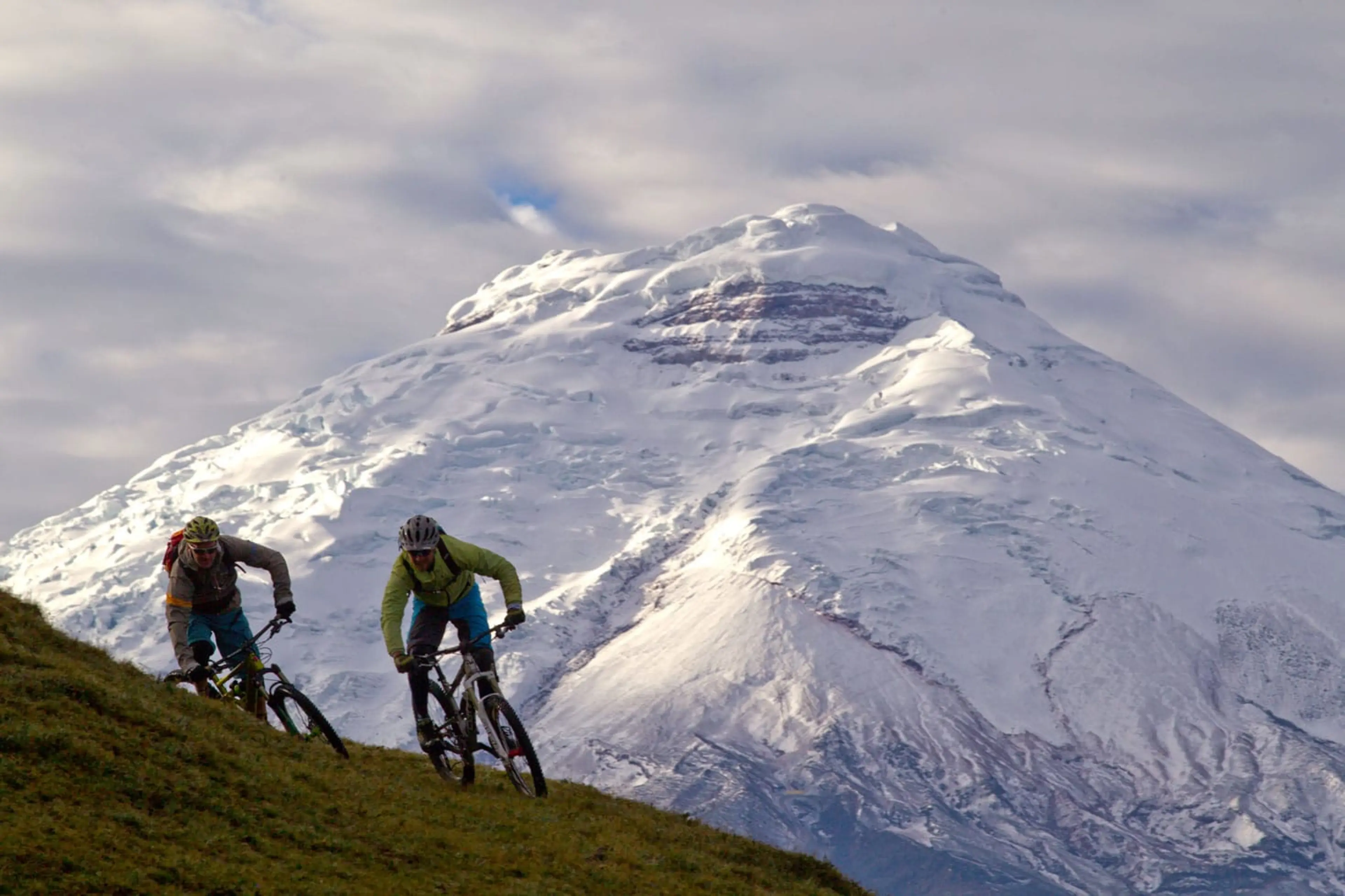
Oxygen and Output: How High-Altitude Cycling Changes Metabolic Endurance
Above 3,000 meters, oxygen availability drops sharply. For endurance cycling athletes, this shift transforms physiology, pacing strategy, and psychological resilience.
At high altitude, the partial pressure of oxygen declines, directly impacting VO2 max — the cornerstone metric for endurance cycling performance. Riders accustomed to sea-level training quickly discover that high altitude fitness is not simply about leg strength; it is about oxygen utilization efficiency.
In regions like Sikkim’s eastern Himalayan passes, gradients are steeper and more irregular than those in Ladakh. While Ladakh often presents long, steady climbs across arid terrain, Sikkim’s border-road networks combine sharp elevation bursts with humid air and unstable surfaces. The metabolic cost of high altitude cycling here differs not only in oxygen demand but also in gradient unpredictability.
Understanding how high altitude reshapes endurance cycling output requires examining acclimatization science, risk management for high altitude pulmonary edema, and structured altitude training strategies tailored for expedition riders.
VO2 Max and Oxygen Deficit at High Altitude
VO2 max declines approximately 6–8% for every 1,000 meters above 1,500 meters. At 3,000+ meters, endurance cycling output can fall dramatically. Reduced oxygen pressure means muscles receive less usable oxygen per breath. For athletes engaged in altitude training, this oxygen deficit forces the body to adapt by increasing red blood cell production. However, these adaptations take time.
At high altitude, the drop in arterial oxygen saturation directly reduces aerobic ceiling, which explains why endurance cycling wattage numbers collapse even when perceived effort feels maximal. High altitude fitness becomes a function of oxygen economy rather than mechanical strength. During high altitude training, athletes often experience plateau phases where adaptation seems slow, yet hematological adjustments are occurring beneath the surface. Without structured altitude training protocols, premature intensity increases can elevate the risk of high altitude pulmonary edema or high altitude cerebral edema. While high altitude sickness medicine may support symptom management, it does not accelerate erythropoietic adaptation. Endurance cycling performance at high altitude therefore depends on staged exposure, progressive load management, and metabolic patience. High altitude fundamentally recalibrates oxygen transport, reshaping endurance cycling physiology at its core.
Why High Altitude Fitness Requires Patience
High altitude fitness is not immediate. Initial exposure often results in elevated heart rate, reduced power output, and faster fatigue. Endurance cycling at high altitude feels disproportionately difficult compared to sea level. Without proper acclimatization, riders risk acute mountain sickness and more serious conditions such as high altitude pulmonary edema or high altitude cerebral edema. While high altitude sickness medicine can mitigate early symptoms, it cannot substitute gradual exposure.
Structured high altitude training programs recommend staged ascents, reduced initial intensity, and close monitoring of hydration. For endurance cycling expeditions in Sikkim, riders often spend two to three days adjusting before attempting major climbs.
Altitude training in such conditions emphasizes sustainable pacing over aggressive watt targets. High altitude reshapes performance expectations — forcing metabolic efficiency rather than brute strength.
Acclimatization Science for Cyclists
During altitude training, the body increases erythropoietin production, stimulating red blood cell synthesis. This adaptation improves oxygen-carrying capacity — the foundation of high altitude fitness. Beyond red blood cell expansion, high altitude exposure alters ventilation rate, plasma volume, and mitochondrial efficiency. Endurance cycling at high altitude stresses every aerobic pathway simultaneously. Structured high altitude training must therefore account for both cardiovascular strain and neuromuscular fatigue. If riders ascend too quickly, symptoms linked to high altitude pulmonary edema or high altitude cerebral edema may emerge unexpectedly.
High altitude sickness medicine can reduce the likelihood of acute mountain sickness, but it cannot override the body’s biological adaptation timeline. For endurance cycling expeditions, acclimatization plans often include rest days, short spin sessions, and progressive climb exposure. High altitude fitness develops incrementally through disciplined altitude training rather than aggressive mileage accumulation. Sustainable endurance cycling performance at high altitude reflects calculated restraint, ensuring oxygen delivery systems stabilize before maximal output is attempted..
Managing Medical Risks
Cyclists operating above 3,000 meters must understand warning signs of high altitude pulmonary edema and high altitude cerebral edema. Shortness of breath at rest, confusion, or persistent cough indicate medical emergency. High altitude sickness medicine such as acetazolamide may assist gradual adaptation, but it does not eliminate risk. Endurance cycling in remote high altitude terrain requires contingency planning and evacuation awareness.
In Sikkim’s mountain corridors, humidity and sudden weather changes compound stress on the respiratory system. Unlike Ladakh’s dry climate, Sikkim’s high altitude air can feel heavier despite reduced oxygen pressure. Proper altitude training protocols emphasize slow ascent, sleep monitoring, and conservative workload increases — all central to sustainable endurance cycling in Himalayan terrain.

Gradient vs Distance Fatigue in Sikkim
Not all high altitude terrain produces identical fatigue patterns. Ladakh often presents long, gradual ascents. Sikkim, by contrast, combines short, punishing gradient spikes with rapid elevation shifts. In high altitude environments, steep gradients amplify oxygen deficit far more than extended moderate climbs. Endurance cycling power spikes at high altitude accelerate glycogen depletion because oxygen supply cannot keep pace with anaerobic demand. High altitude fitness in such terrain requires refined pacing intelligence. Riders accustomed to steady-state altitude training may find themselves repeatedly breaching lactate threshold on Sikkim’s irregular roads.
Each surge compounds cardiovascular stress, increasing vulnerability to altitude-related complications, including high altitude pulmonary edema if exertion becomes excessive. While high altitude sickness medicine can mitigate some early discomfort, it cannot counteract metabolic overload. Effective high altitude training for this terrain includes interval simulation at reduced oxygen exposure, preparing endurance cycling athletes for fluctuating gradient stress. In this context, high altitude reshapes fatigue not simply by distance but by intensity variability.
Metabolic Cost of Steep Profiles
At high altitude, sudden gradient increases spike lactate production faster than oxygen delivery can compensate. For endurance cycling athletes, this means repeated anaerobic surges in an already oxygen-limited environment. High altitude fitness depends on pacing discipline. Riders trained exclusively on steady climbs may struggle with Sikkim’s irregular border-road gradients.
Altitude training for such terrain requires interval conditioning that mimics steep bursts rather than uniform inclines. Endurance cycling performance in Sikkim therefore demands a hybrid metabolic profile — balancing aerobic preservation with controlled anaerobic tolerance. In this context, high altitude is not only an oxygen variable; it is a gradient amplifier.
Road Surfaces, Tyre Strategy, and Energy Loss
Energy efficiency becomes critical at high altitude. Border roads in Sikkim frequently alternate between smooth asphalt and broken gravel sections. Rolling resistance increases sharply on unstable surfaces, compounding oxygen strain during endurance cycling.
At high altitude, even marginal increases in rolling resistance elevate oxygen demand disproportionately. Endurance cycling on mixed surfaces intensifies muscular recruitment, accelerating fatigue before aerobic equilibrium is achieved. High altitude fitness therefore depends not only on physiology but also mechanical efficiency. Poor tyre selection can increase time spent climbing, which prolongs hypoxic exposure and raises susceptibility to high altitude pulmonary edema symptoms under extreme stress.
While high altitude sickness medicine may be part of emergency planning, prevention remains rooted in minimizing unnecessary exertion. Altitude training regimens should simulate variable terrain resistance to prepare for unpredictable surfaces. High altitude training that ignores equipment dynamics risks underestimating total metabolic cost. Efficient rolling strategy, optimal tyre pressure, and load distribution collectively preserve endurance cycling output at high altitude, reducing cumulative oxygen deficit.
Equipment Decisions at High Altitude
Tyre width and pressure influence energy conservation. Narrow high-pressure tyres may optimize speed on smooth sections but reduce stability on gravel. Wider tyres improve traction but increase rolling resistance. In high altitude environments, even small inefficiencies escalate fatigue. High altitude training often overlooks mechanical factors, focusing purely on physiology. However, endurance cycling expeditions require holistic planning.
Cyclists must also consider that mechanical delays at high altitude increase exposure time, heightening risk of high altitude pulmonary edema symptoms during prolonged stops. Efficient logistics, hydration, and pacing protect high altitude fitness margins. Equipment, therefore, becomes a metabolic variable in oxygen-limited conditions.
Psychological Isolation and Cognitive Load
High altitude affects not only muscles but cognition. Reduced oxygen availability influences reaction time and decision-making. For endurance cycling in remote mountain corridors, mental resilience becomes as important as physical conditioning. Sustained hypoxia at high altitude can subtly impair executive function, particularly during prolonged endurance cycling sessions. High altitude fitness includes cognitive stability under oxygen deprivation. Riders undergoing altitude training often report sleep disruption and mood fluctuation — early indicators of neurocognitive stress. In severe cases, high altitude cerebral edema represents the extreme end of neurological compromise.
While high altitude sickness medicine can reduce some symptoms, cognitive clarity still depends on gradual adaptation. High altitude training plans should incorporate mental pacing, hydration discipline, and sleep management. Endurance cycling in isolation amplifies psychological strain, particularly when environmental cues are limited. High altitude challenges concentration, navigation judgment, and risk assessment simultaneously. Sustainable endurance cycling at high altitude therefore requires psychological preparation equal to physical conditioning, ensuring decision-making remains sharp under hypoxic stress.
Cognitive Effects of Oxygen Deprivation
Early stages of high altitude exposure often bring mild headaches, irritability, and reduced concentration. In extreme cases, high altitude cerebral edema presents with confusion and impaired coordination. Altitude training programs increasingly incorporate psychological adaptation strategies. Solo endurance cycling across isolated Himalayan stretches amplifies cognitive fatigue.
In Sikkim’s mist-covered passes, limited traffic and sparse settlements intensify the sense of isolation. Unlike popular Ladakh circuits, some high altitude routes here feel solitary. High altitude fitness therefore includes mental endurance — maintaining focus under oxygen strain, gradient pressure, and environmental unpredictability.
Expedition-Style Support Logistics
Endurance cycling at high altitude requires expedition planning. Medical awareness is critical. Riders must carry emergency protocols related to high altitude sickness medicine and recognize early signs of high altitude pulmonary edema. High altitude logistics extend beyond route mapping. Support systems must account for delayed emergency response, especially in remote Himalayan terrain. Endurance cycling at high altitude increases dehydration risk, which compounds susceptibility to high altitude cerebral edema. Structured altitude training rarely simulates such logistical variables, making expedition rehearsal essential.
High altitude fitness preparation should include contingency drills, communication backups, and oxygen access awareness. Even minor delays can escalate stress under hypoxic conditions. High altitude pulmonary edema can develop rapidly if exertion remains unchecked. While high altitude sickness medicine may be carried as precaution, disciplined pacing and descent protocols remain primary safeguards. Effective high altitude training integrates physical conditioning with risk mitigation strategy. Endurance cycling above 3,000 meters is not simply a test of strength — it is an orchestration of oxygen management, medical awareness, and structured planning.
Structured Support Systems
Unlike controlled altitude training camps, Himalayan endurance cycling involves dynamic risk factors — weather, landslides, mechanical failures. Support vehicles, communication tools, and oxygen access points become essential in extended high altitude expeditions. High altitude fitness preparation includes logistical rehearsal as much as physical conditioning.
Hydration strategy is equally crucial. Dehydration accelerates susceptibility to high altitude cerebral edema and reduces aerobic efficiency. Successful endurance cycling above 3,000 meters blends science with planning. High altitude demands structured adaptation, measured pacing, and contingency readiness. The reward, however, is transformative performance resilience — the kind forged only where oxygen thins and output becomes intentional.