
Darjeeling Beyond Tea Gardens: What to Do in Darjeeling Apart from Sightseeing
Walking Routes and Local Areas to Explore in Darjeeling
Darjeeling walking routes beyond tourist zones
When evaluating things to do in Darjeeling beyond conventional sightseeing, walking emerges as one of the most practical and accessible activities. Instead of following fixed tourist circuits, Darjeeling walking routes extend into quieter residential areas and hillside paths that are actively used by locals. These routes are not curated attractions, which makes them particularly relevant for travellers looking for offbeat Darjeeling experiences.
Areas such as Lebong Cart Road and the surrounding slopes provide a clear shift away from crowded zones. These stretches allow continuous interaction with the landscape—gradual elevation changes, intermittent views of valleys, and a closer understanding of how the town is structured. For travellers asking what to do in Darjeeling apart from sightseeing, walking offers a flexible activity that does not depend on timing, bookings, or external arrangements.
Compared to structured Himalayan trekking routes or organised trekking Sikkim experiences, walking in Darjeeling is less physically demanding while still providing a sense of immersion. There are no predefined trails or endpoints, which allows travellers to move at their own pace and adapt their route organically. This makes walking one of the most consistent answers to what to do in Darjeeling when the goal is to move beyond standard sightseeing.
|
Area |
What You Experience |
Difficulty |
Why It’s Useful |
|
Lebong Cart Road |
Valley views, quiet stretches |
Easy |
Best for beginners exploring things to do in Darjeeling |
|
Bhutia Busty |
Local life, monastery access |
Easy–Moderate |
Strong cultural exposure |
|
Residential hillside paths |
Daily routines, hidden views |
Easy |
Ideal for offbeat Darjeeling experiences |
Exploring local neighbourhoods and daily life
Exploring neighbourhoods is another essential component when identifying things to do in Darjeeling beyond sightseeing. Residential areas such as Bhutia Busty and nearby hillside settlements reveal how the town functions outside tourist spaces. These locations provide a more grounded understanding of Darjeeling travel, where everyday routines take precedence over curated experiences.
Observing daily life—shops opening in the morning, people commuting, and informal social interactions—adds context to the overall Darjeeling experience. This form of exploration does not rely on attractions but on observation and presence. For travellers specifically searching for what to do in Darjeeling in a more meaningful way, engaging with local neighbourhoods offers a deeper alternative to conventional sightseeing.
In contrast to activity-driven travel such as trekking Kanchenjunga routes or long-distance Himalayan trekking, this approach is slower and more observational. It does not aim to cover distance but to understand space. As a result, it aligns closely with the idea of offbeat Darjeeling, where the focus shifts from locations to lived experiences.
How walking compares to trekking Sikkim and Himalayan trekking
Understanding the distinction between walking in Darjeeling and more intensive activities like trekking Sikkim or Himalayan trekking is important when planning a trip. While trekking involves multi-day routes, altitude considerations, and logistical preparation, walking in Darjeeling requires minimal effort while still delivering a sense of engagement with the environment.
For travellers who may not have the time or readiness for trekking Kanchenjunga or other demanding routes, Darjeeling provides an accessible alternative. Walking routes offer exposure to similar terrain—hillsides, forest patches, and open views—without the physical and logistical complexity associated with trekking.
This comparison helps position walking as a central answer to what to do in Darjeeling apart from sightseeing. It bridges the gap between passive tourism and active exploration, making it suitable for a wide range of travellers. As part of a broader Darjeeling travel plan, walking remains one of the most reliable and repeatable activities that consistently delivers value beyond standard sightseeing.
Monasteries, Culture, and Spiritual Experiences in Darjeeling
Key monasteries to visit and what to expect
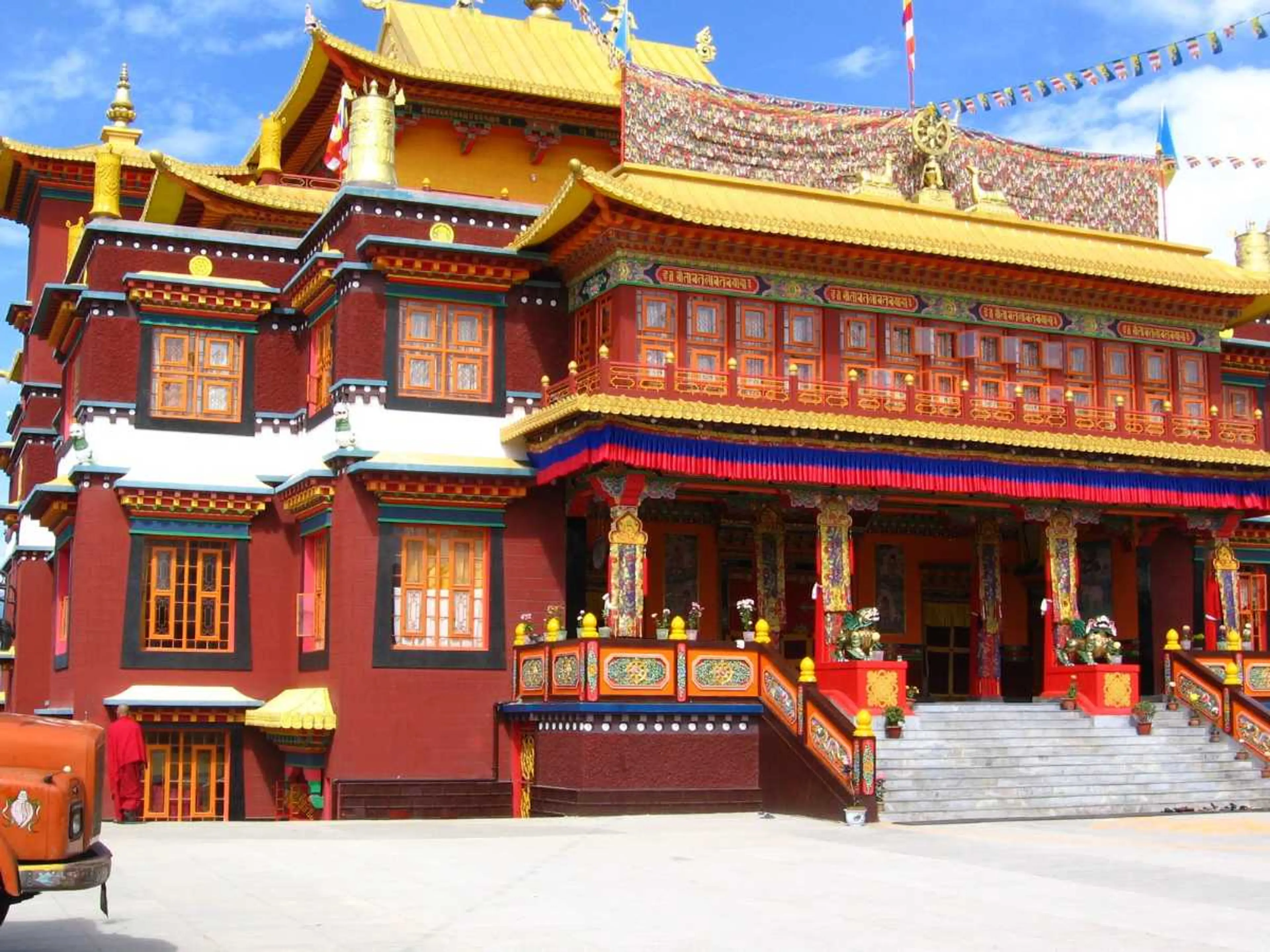
One of the most relevant answers to what to do in Darjeeling apart from sightseeing is to spend time in its monasteries, not just visit them briefly. Darjeeling monastery spaces such as Bhutia Busty and Ghoom function as active centres of Tibetan Buddhist practice, making them integral to understanding Darjeeling culture.
Visitors can observe prayer sessions, listen to rhythmic chants, and experience the structured calm that defines these environments. Unlike typical tourist stops, monasteries operate on their own schedules, and engagement depends on timing and patience. For travellers exploring things to do in Darjeeling, this offers a shift from visual consumption to experiential observation.
Spending extended time in these spaces allows a clearer understanding of how spirituality integrates into everyday life in Darjeeling. This makes monastery visits one of the more meaningful Darjeeling experiences beyond sightseeing.
Understanding Darjeeling’s Buddhist cultural layer
Darjeeling culture is significantly influenced by Tibetan and Nepali traditions, with monasteries acting as focal points for spiritual and community life. Prayer flags, ritual objects, and daily practices are not isolated elements but part of a larger cultural system that shapes the town’s identity.
For travellers asking what to do in Darjeeling beyond sightseeing, engaging with this cultural layer provides context that cannot be gained through viewpoints or landmarks. Observing how spiritual practices intersect with daily routines adds depth to Darjeeling travel, making it more than a surface-level experience.
This form of engagement also aligns with offbeat Darjeeling exploration, where the emphasis is on understanding rather than covering locations. It shifts attention from visible attractions to underlying cultural structures.
Contrast with adventure activities like trekking Kanchenjunga
When compared to physically intensive activities such as trekking Kanchenjunga or extended Himalayan trekking routes, monastery experiences represent a different type of engagement. Instead of movement and endurance, they focus on stillness and observation.
For travellers balancing multiple interests—such as trekking Sikkim routes or exploring broader Northeast India—Darjeeling offers a contrasting experience that requires minimal physical effort but provides significant cultural insight. This balance is important when considering things to do in Darjeeling as part of a larger travel plan.
By incorporating monastery visits into the itinerary, travellers can diversify their experience beyond sightseeing while maintaining a structured and informative approach to Darjeeling travel.
Local Markets, Food, and Everyday Experiences
Best local markets in Darjeeling
Local markets are central to understanding things to do in Darjeeling beyond sightseeing because they function as active social and economic spaces rather than curated attractions. Areas around Chowrasta and the lower bazaars provide continuous activity throughout the day, making them relevant for travellers looking for offbeat Darjeeling experiences.
These markets are not designed for tourism; they operate as everyday exchange zones where residents purchase goods, interact, and maintain routines. For those asking what to do in Darjeeling apart from sightseeing, spending time in these markets offers a practical way to observe how the town functions. Movement through these areas reveals patterns of trade, seasonal variation in products, and the diversity of communities that shape Darjeeling culture.
Compared to structured experiences like trekking Sikkim or organised Himalayan trekking routes, market exploration requires no preparation and can be integrated easily into any Darjeeling travel plan. It remains one of the simplest yet most informative activities available in the town.
What to eat and where to try local food
Food is a key entry point into Darjeeling experiences, especially for travellers trying to identify things to do in Darjeeling beyond sightseeing. Local dishes such as momos, thukpa, and traditional Nepali meals are widely available in small eateries and roadside establishments. These spaces provide direct exposure to regional food culture without the formal setting of restaurants designed for tourists.
Trying local food in these environments allows travellers to connect with everyday life in Darjeeling. The focus is not only on taste but also on context—how food is prepared, served, and consumed within the community. For those exploring offbeat Darjeeling, eating in local markets and small shops becomes an activity in itself rather than a secondary part of the trip.
This approach contrasts with activity-heavy travel such as trekking Kanchenjunga or mountain biking India routes, where food is often functional. In Darjeeling, food becomes part of the cultural experience, adding another dimension to what to do in Darjeeling beyond sightseeing.
Cultural interactions and lifestyle insights
Markets and food spaces also enable informal cultural interactions, which are an important part of identifying meaningful things to do in Darjeeling. Conversations with vendors, observing negotiation patterns, and understanding local preferences all contribute to a more comprehensive view of Darjeeling travel.
These interactions are not structured experiences; they occur naturally as part of daily activity. For travellers seeking offbeat Darjeeling experiences, this form of engagement provides insight that cannot be replicated through sightseeing alone. It highlights the human aspect of the town, which is often overlooked in standard itineraries.
In contrast to broader Northeast India travel experiences such as biking North East India routes or bird watching India trails, where interaction may be limited by movement or terrain, Darjeeling’s compact urban structure allows for continuous engagement. This makes local markets and food culture a consistent and accessible answer to what to do in Darjeeling apart from sightseeing.
|
Experience Type |
Where to Go |
What to Expect |
Relevance |
|
Local markets |
Chowrasta, lower bazaars |
Daily trade, interaction |
Core Darjeeling experiences |
|
Street food |
Small stalls, local eateries |
Momos, thukpa |
Cultural immersion |
|
Community interaction |
Market areas |
Conversations, routines |
Offbeat Darjeeling |
Viewpoints, Nature, and Slow Experiences Beyond Sightseeing
Quiet viewpoints and non-touristy spots
While viewpoints are commonly associated with sightseeing, they can still be relevant when approached differently. One of the more effective ways to rethink things to do in Darjeeling is to visit viewpoints during off-peak hours or explore lesser-known ridgelines that are not part of standard tourist circuits.
Early mornings and late afternoons offer quieter conditions, allowing travellers to experience the landscape without crowds. This approach transforms viewpoints from checklist destinations into reflective spaces. For those asking what to do in Darjeeling beyond sightseeing, timing and location become more important than the viewpoint itself.
Compared to high-altitude Himalayan trekking routes or trekking Sikkim trails, these locations require minimal effort while still providing visual engagement with the surrounding environment. This makes them suitable for travellers seeking a balance between accessibility and experience.
Nature walks and bird watching India opportunities
Nature-based activities also contribute to the range of things to do in Darjeeling beyond sightseeing. Short walks along forested edges and quieter parts of the town create opportunities for basic bird watching India experiences. While Darjeeling is not positioned as a primary birding destination, it still offers exposure to Himalayan species and natural habitats.
For travellers interested in birds of Sikkim or broader bird watching northeast India experiences, Darjeeling can act as an introductory environment. The terrain is manageable, and access is relatively straightforward compared to more remote regions.
This integration of nature into the travel experience adds another layer to Darjeeling travel. It allows travellers to combine light physical activity with observation, creating a more balanced itinerary. As a result, nature walks and bird observation become practical answers to what to do in Darjeeling apart from sightseeing.
Slow travel vs fast travel in Darjeeling
The concept of slow travel is central when evaluating things to do in Darjeeling beyond sightseeing. Unlike fast-paced activities such as mountain biking India routes or biking North East India journeys, Darjeeling encourages a slower, more deliberate approach to exploration.
Spending time in cafés, observing street activity, or simply sitting in open spaces without a defined agenda are all valid activities within this framework. These experiences may appear unstructured, but they contribute significantly to understanding the town’s rhythm and character.
For travellers planning broader Northeast India travel that includes trekking Sikkim or other high-intensity activities, Darjeeling serves as a counterbalance. It provides an environment where the focus shifts from movement to observation.
Ultimately, slow travel offers one of the most consistent answers to what to do in Darjeeling. It reduces the need for constant activity while increasing the depth of engagement, making it a practical and sustainable approach to experiencing the town beyond sightseeing.
Darjeeling, when approached beyond its tea gardens and viewpoints, presents a wide range of activities that extend far beyond conventional sightseeing. Walking through local areas, engaging with cultural spaces, exploring markets, and adopting a slower pace all contribute to a more comprehensive understanding of what to do in Darjeeling.