
Inside Arunachal’s Apatani Agricultural Calendar: When Travel Aligns With the Fields
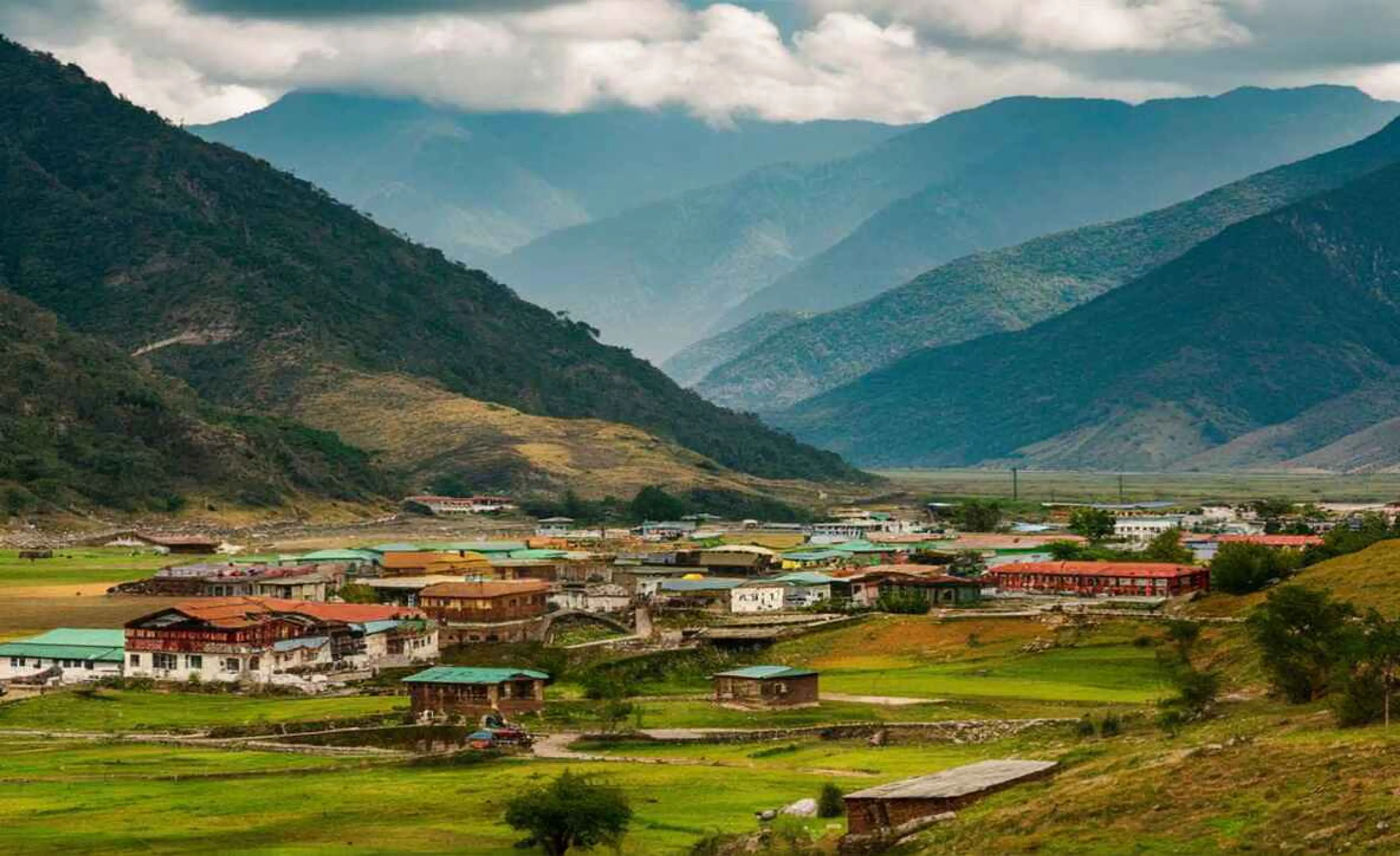
The Ziro Valley does not explain itself through landmarks or dramatic viewpoints. Its meaning is carried instead by fields, water channels, and the steady repetition of seasonal work. For travellers arriving in Arunachal Pradesh with expectations shaped by scenery alone, this can feel understated, even puzzling. Yet the longer one stays, the clearer it becomes that the valley’s identity is not visual but systemic, rooted in how land, water, and people move together through time.
At the centre of this system lies the Apatani agricultural calendar. It is not a timetable recorded on paper but a rhythm embedded in everyday life, shaping labour, ritual, movement, and rest. Travel here gains depth only when it aligns with these cycles. Outside them, the valley may appear quiet. Within them, it reveals a living framework where farming, ecology, and social organisation remain inseparable, offering insight into place-based ways of living that have endured through careful adaptation rather than change for its own sake.
Agriculture as the Organising Principle of Apatani Life
The Agricultural Calendar as a Living System
For the Apatani community, agriculture is not simply an occupation; it is the organising principle of society itself. The Apatani agricultural calendar determines when fields are prepared, when water is released or held back, when fish are introduced into paddies, and when collective labour becomes essential. Each phase follows the next with little flexibility, because the system relies on coordination across households rather than individual effort.
This rhythm is deeply tied to the Ziro Valley farming system, a sophisticated model of wet-rice cultivation that integrates fish rearing, organic inputs, and precise water management. Fields are terraced and embanked, channels are maintained communally, and timing is synchronised across villages. Such coordination reflects collective agricultural knowledge developed over generations, ensuring productivity without degrading soil or water.
For visitors, understanding this system changes how the valley is perceived. Travel becomes less about moving between places and more about recognising phases of work and rest. Journeys shaped around community-centred cultural journeys allow travellers to observe how time itself becomes a shared resource, governed collectively rather than individually, revealing a landscape where continuity depends on cooperation rather than efficiency.
Seasonal Work and Collective Rhythm
Planting, Water, and Shared Labour in the Ziro Valley
The agricultural year begins well before seedlings appear in the fields. Preparation involves repairing embankments, clearing irrigation channels, and ensuring that water will flow evenly across paddies. These tasks are rarely undertaken alone. Collective labour reinforces social bonds while maintaining the integrity of the system. The seasonal agricultural rhythms of the valley depend on this cooperation, not on mechanisation or speed.
Water management is particularly revealing. Channels are adjusted constantly in response to rainfall and field conditions, reflecting a detailed understanding of slope, soil, and flow. This practice illustrates Apatani land management as a form of stewardship rather than control, grounded in indigenous governance practices that balance individual needs with collective responsibility. The resulting landscape appears orderly, yet remains responsive to subtle environmental shifts.
Travellers arriving during these periods witness a valley in motion. Fields are active, conversations extend into shared spaces, and daily routines blur into communal effort. This is when seasonal travel in the Himalayas takes on meaning beyond climate, allowing visitors to see how labour structures social life. Outside these phases, the same fields may appear still, offering little indication of the intricate coordination that sustains them.
Food, Ecology, and Knowledge Embedded in the Fields
Wet Rice Cultivation as Cultural Practice
What is often described as indigenous wet rice cultivation in the Ziro Valley is, in reality, a complex ecological system rather than a single technique. Rice is grown alongside fish in flooded paddies, creating a mutually reinforcing relationship that reduces pests and enriches soil naturally. Organic matter is returned to the fields, and water circulation prevents stagnation, sustaining productivity without chemical inputs.
This system is maintained through observation rather than abstraction. Knowledge is transmitted through practice, with children learning by watching elders adjust water levels, assess soil conditions, and respond to weather changes. These everyday acts embody human–environment relationships based on responsiveness instead of domination, where farming remains embedded within ecological limits.
For travellers, shared meals carry this context. Rice is not simply consumed; it represents months of coordinated effort and shared decision-making. Recognising this shifts travel away from consumption and towards understanding. Journeys framed as cultural travel in Arunachal gain depth when food is seen as evidence of a living system rather than as cuisine detached from the fields that sustain it.
Timing Travel With Agricultural Life
Why Season Matters More Than Sightseeing
In the Ziro Valley, timing shapes meaning. Visiting during active agricultural phases reveals a landscape defined by purpose and movement. Visiting outside these periods offers quiet, but less context. Aligning travel with the Apatani agricultural calendar allows visitors to witness how land use and social life intersect across the year.
During planting and harvesting seasons, villages operate at full intensity. Movement increases, coordination becomes visible, and collective decisions shape daily routines. These moments reveal how indigenous wet rice cultivation structures not only food production but also social relations. In contrast, off-season visits highlight maintenance and rest, offering insight into another phase of the same cycle.
Understanding this distinction is central to Apatani village visit guidelines, which emphasise respect for work rhythms and community priorities. Travellers who arrive without awareness may misinterpret stillness as absence or activity as performance. Those who arrive informed are better positioned to observe without disruption, aligning their presence with seasonal land-use systems that sustain the valley.
Travel Ethics in a Living Agricultural Landscape
Observing Without Interrupting
Travel within Apatani villages requires sensitivity not only to culture but to timing. Fields are workplaces, not exhibits, and daily routines cannot pause for visitors. Photography, movement, and conversation must adapt to labour rather than interrupt it. This expectation underpins community-centred cultural journeys, where access depends on behaviour rather than entitlement.
The valley’s agricultural system also reflects non-extractive travel ethics. Knowledge is shared selectively, and participation is guided rather than assumed. Visitors are welcomed, but not accommodated at the expense of work or continuity. Such restraint mirrors ethical travel practices observed in other sensitive regions, where preservation is achieved through limitation rather than visibility.
For travellers, this can require recalibration. Observation replaces interaction, and patience replaces immediacy. In aligning with seasonal travel in the Himalayas, visitors learn that presence itself can be meaningful when guided by respect. The Apatani model demonstrates how agriculture and culture remain intact precisely because they are not adapted to suit tourism.
Who This Journey Resonates With
For Travellers Interested in Living Systems, Not Displays
This journey does not appeal to those seeking rapid movement or visual accumulation. It resonates instead with travellers interested in anthropological perspectives on place, place-based ecological systems, and sustainable mountain livelihoods. Those familiar with Arunachal village journeys often recognise that meaning here emerges through repetition rather than revelation.
The Ziro Valley rewards attentiveness. It offers insight into indigenous communities of Arunachal whose continuity depends on shared knowledge and seasonal coordination. Travel aligned with agricultural rhythms becomes a way of entering respectfully, without demanding access or interpretation.
Spending time within this system highlights community-led conservation models grounded in use rather than exclusion. The Apatani landscape endures not because it is preserved as an object, but because it continues to function as a living system. For travellers willing to listen rather than consume, this offers a rare opportunity to understand how travel can coexist with everyday life, supporting cultural resilience in mountain regions shaped by care, restraint, and continuity.